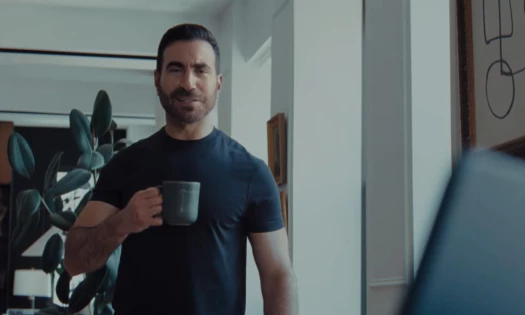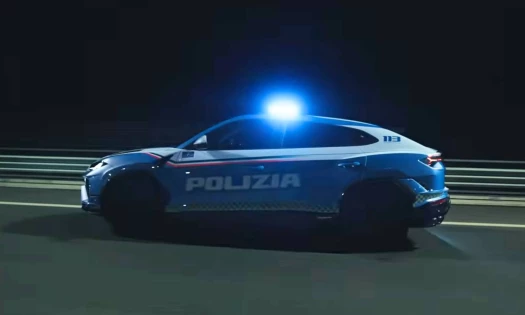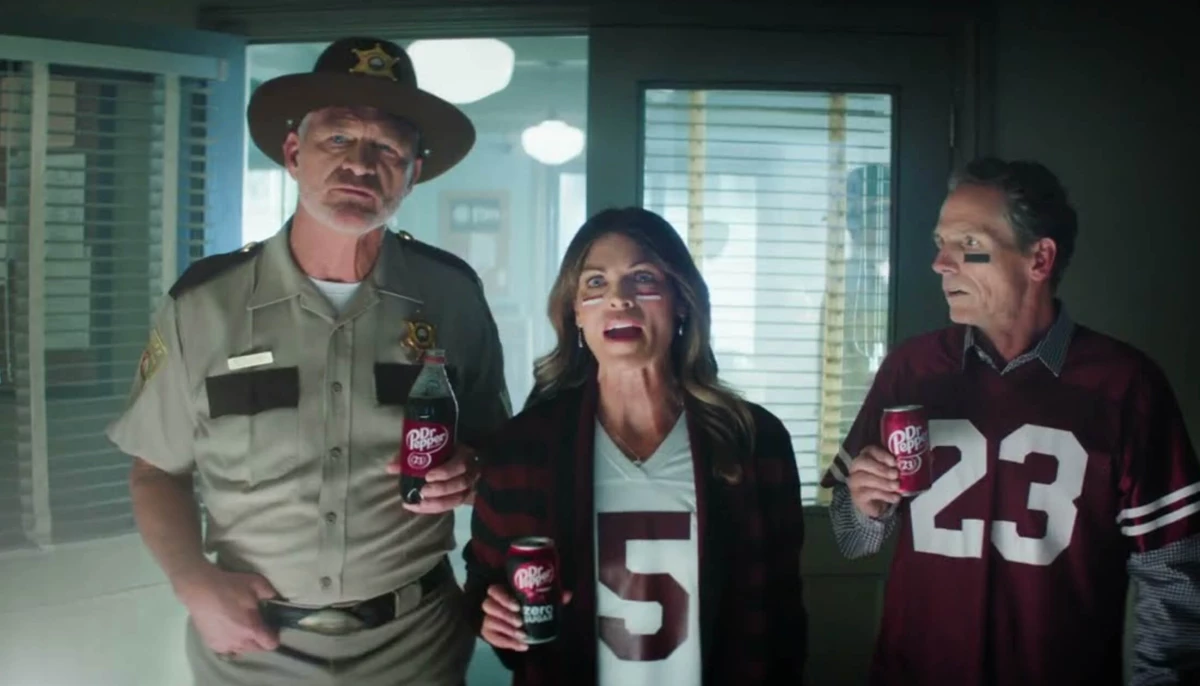

Lane Kiffin left Ole Miss for LSU before the Rebels played a College Football Playoff game, and Dr Pepper turned it into a traffic stop.
Brian Bosworth, playing the sheriff of "Fansville," pulls LSU Head Coach Lane Kiffin over in the launch spot and books him for an illegal Lane change.
The spot opens season nine of "Fansville," now the longest-running advertising campaign in college football history.
This year's theme, "Fandom Never Sleeps," centers on how modern fans actually behave.
The Saturday game is only the visible part, but the rest lives in group chats, social feeds, rankings arguments, and daily countdowns to kickoff.
"College football isn't just a game people watch on Saturdays, it's a passion they live every day of the week," Drew Panayiotou, chief marketing & innovation officer at Keurig Dr Pepper, said in a release.
"That's the insight behind this year's theme, 'Fandom Never Sleeps,' and it's why Fansville continues to resonate season after season."
Season 9 tracks the town's residents through the storylines dominating actual fan conversations right now.
This includes coaching rumors, transfer portal churn, conference realignment, and controversial calls.
Casting the coach that fans already argue about gives Dr Pepper a celebrity endorsement that keeps working between games.
A Coach Says Goodbye
Out today, the 60-second launch trailer previews the drama and gives fans their first glimpse of Kiffin inside Fansville.
The joke only works because Kiffin has now taken five head coaching jobs, and he agreed to sit there and be the punchline.
Nearly a decade in, and Fansville has kept its footing by staying tied to what fans recognize instead of reinventing itself each fall.
That's partly the reason why it has become a reliable piece of Dr Pepper's brand identity within college sports.
Season 9 will roll out new episodes tied to real moments in the college football calendar, running across TV, digital, social, radio, and out-of-home placements.
Outside the screen, the campaign will include merchandise drops, creator partnerships, and recurring fan activations, including the "Dr Pepper Tuition Toss."
Fandom Runs on Its Own Clock
Dr Pepper's decision to build a season-long arc around a coaching departure reflects how much of college football fandom now plays out between games.
James Madison University saw a 53% year-over-year jump in social engagement last season.
And 55% of its impressions arrived after its Playoff selection.
Heisman campaigns told a similar story.
Indiana's Fernando Mendoza generated 13.2 million impressions tied to his candidacy, separate from any actual game action.
Fans cluster around announcements, rumors, and coaching news, which is exactly where Dr Pepper put Kiffin.
Lessons for marketers watching this space:
- Ground a campaign to a real storyline, not a generic occasion: Kiffin's arc works because it mirrors an actual fan anxiety.
- Plan for engagement that happens off the field: Impression spikes around announcements and rumors show fans are paying attention.
- Build characters fans can follow across a full season. A single spot fades fast, but a recurring cast gives people a reason to check back.
A campaign earns its long run when fans start checking in for the story, not just the score.
Our Take: Did Kiffin Get the Better End of This Deal?
Kiffin spent the offseason as the most disliked man in Mississippi.
We think that maybe Dr Pepper handed him the cheapest image repair available, since he left an 11-win Ole Miss team for LSU right before the Playoff.
Letting a popular soda brand roast his Ole Miss exit signals confidence, and it costs him nothing.
Peyton Manning turned self-parody into a second career, and Kiffin now has a full season of national airtime to try the same thing.
Dr Pepper gets a fun villain that fans already argue about every week.
If LSU wins big, the ad ages into a punchline about a guy who was right all along.
Either way, Dr Pepper has a cast worth keeping, and a few more names like Kiffin would make Fansville a show that people continuously watch on purpose.
Find the teams driving growth and engagement across every platform. Check out these top digital marketing agencies in our directory.