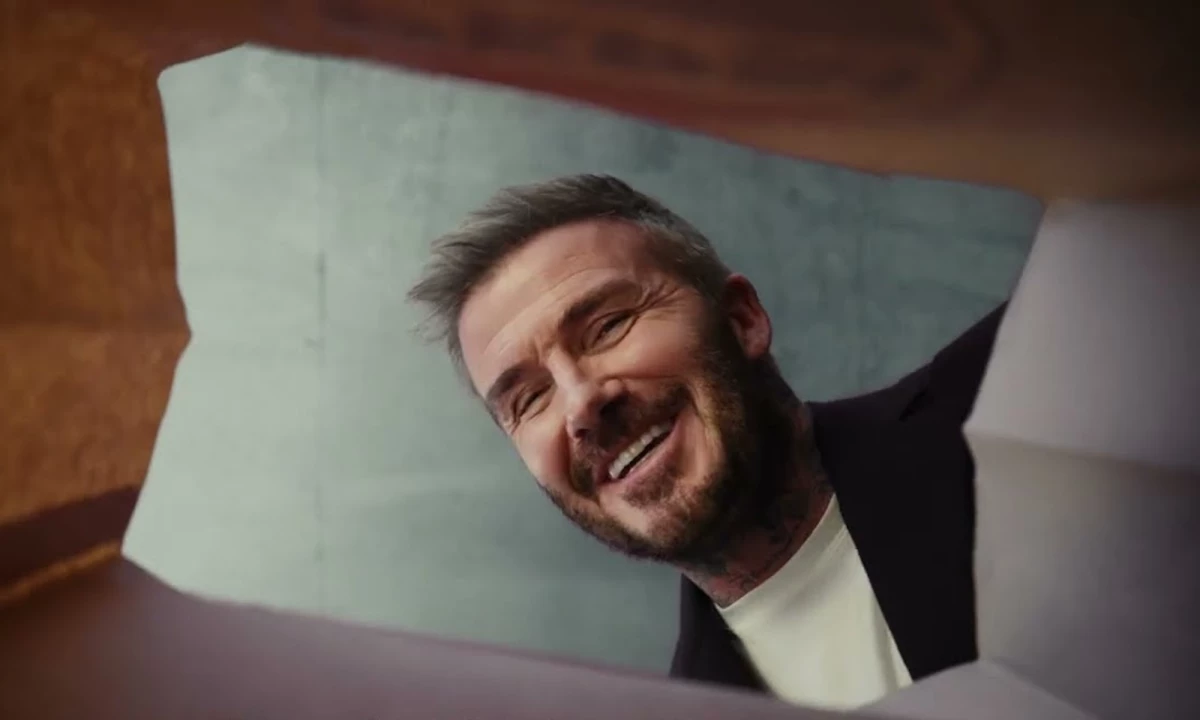

David Beckham retired from football 13 years ago.
At the 2026 World Cup, he got more screen time than half the field.
In one match broadcast, an American viewer could watch him buy a coffee maker, wander Home Depot, and open a McDonald's bag.
A single halftime break carried three of his ads.
Eleven brands hired him for the tournament: Adidas, Bank of America, EA Sports, Home Depot, Lay's, Lenovo, McDonald's, Ninja Kitchen, Pepsi, Stella Artois, and Verizon.
The deals reportedly earned him an estimated $25 million across all his endorsements.
This whopping figure makes him one of the biggest commercial winners of a tournament he's not playing in.
Each brand also negotiated category exclusivity. Beckham couldn't endorse a competing chip brand, beer, or bank during the World Cup window.
Exclusivity locked out competitors, but saturation was the part no one paid to fix.
And 11 brands lined up for the same face anyway.
Forbes contributor Shann Biglione raised the obvious question: Who is the advertising actually working for?
Ask the 11 brands, and you'd get 11 different answers.
Some got a real campaign out of Beckham, while others just paid a whole lot to rent his face for the World Cup.
20 Years Selling Soccer to America
Part of what makes Beckham such an attractive World Cup partner in the U.S. is a credential he spent 20 years earning.
His 2007 arrival at LA Galaxy made him one of soccer's defining figures, back when the sport barely registered in the mainstream.
Beckham later became co-owner of Inter Miami, the club that brought Lionel Messi to Major League Soccer (MLS) in 2023.
The move helped push the franchise to a $1.45 billion valuation, the highest in the league.
The deal also kept Beckham's name attached to the biggest story in American soccer in years.
Weeks before the start of this year's World Cup, he became the first soccer player to earn a star on the Hollywood Walk of Fame.
The ceremony featured a green soccer pitch carpet, with Tom Cruise and Victoria Beckham among the guest speakers.
A celebrity endorsement only works when the star means something to the audience that a brand wants.
Beckham spent two decades becoming the face of soccer in the U.S.
And this is the reason why 11 brands read his name as shorthand for the World Cup crowd.
The Vampire Effect Hits the Ad Breaks
Saturation at this scale creates a specific attribution problem.
Marketers have a name for it, "the vampire effect," where a famous face or an attention-grabbing joke pulls attention off the product it's meant to sell.
A viewer walks away remembering the face and completely forgets the brand behind it.
Across one broadcast, the same man sells beer, fast food, chips, soda, laptops, and even banking.
These are stories unrelated to each other with one face in common.
Beckham opens a McDonald's bag, then shields his Stella Artois from a spilling crowd.
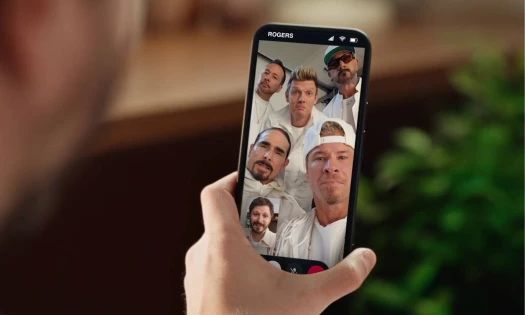
He also sizes up gadgets for Lenovo and goes on a video call with other stars for "No Lay's, No Game."
One face runs all of these sales pitches, each one pulling the viewer somewhere else.
Sports economist Patrick Rishe told the Daily Mail that Beckham is one of the few global stars who can reach diverse American audiences at once.
"He's instantly recognisable, a gentleman and wholesome, yet still with sex appeal," Rishe said.
"And, of course, he's married to a Spice Girl. He's a safe bet for conservative advertisers."
This cross-demographic reach is what makes him castable across so many categories.
The paradox of celebrity marketing is that the most universally appealing star is the one most likely to get oversold.
Brand recall depends on a clean link between the face and the product.
Eleven simultaneous campaigns break this link for every advertiser paying for it.
Which Brands Got Their Money's Worth
The gap between these Beckham-endorsed brands came down to whether they gave him a real role or just paid for the face.
Adidas, Stella Artois, and Lay's got the role right.
Adidas has partnered with Beckham since 2003, and its "Backyard Legends" film shows why this history matters.
The spot used AI to de-age him next to Zinedine Zidane and Alessandro Del Piero as '90s street football legends.
Viewers accepted the AI because Beckham genuinely wore the brand at his peak, so the nostalgia referenced something real.
Timothée Chalamet leads the film, and Beckham is one of several names in a cast that runs from Messi and Bad Bunny to Bellingham and Yamal.
His fit is what earns him the screen time, not the size of the role, and the same holds for the brands that signed him long before kickoff.
Stella Artois made Beckham its global ambassador in 2024, then cast him in a World Cup spot that fit the persona it had already built.
The "Celebration" joke only works because viewers know who he is, and this recognition is what a long-term partnership pays for.
Lay's "Epic Watch Party" put Beckham alongside Messi, Thierry Henry, and Steve Carell.
The group surprised shoppers outside a Florida supermarket and invited them to a celebrity viewing party.
The premise gave every name a reason to be there, so the ensemble played as a real event.
Beckham and Thierry also previously starred in a "No Lay's, No Game" campaign, so there was a proper buildup.
The weaker campaigns treated Beckham as decoration. They wanted the recognition his face brings and stopped there.
Home Depot ran the pun "build it like Beckham," playing on his name and nothing else, since he has no real tie to home improvement.
Lenovo's "Maximum David" framed him as an AI-driven entrepreneur, a persona that sits far from how the public pictures him.
Verizon, on the other hand, used him to push tournament ticket access, a sound idea that produced a forgettable spot.
The split between these campaigns is not random. It tracks with the category each brand plays in.
A 5WPR and Talent Resources study from April 2026 ranked eight consumer sectors on how well each rewards a celebrity partnership.
Spirits and beverages topped the list at 8.0 out of 10, and financial services came last at 3.4, the widest gap in the ranking.
Bank of America, a financial services brand, hired Beckham anyway.
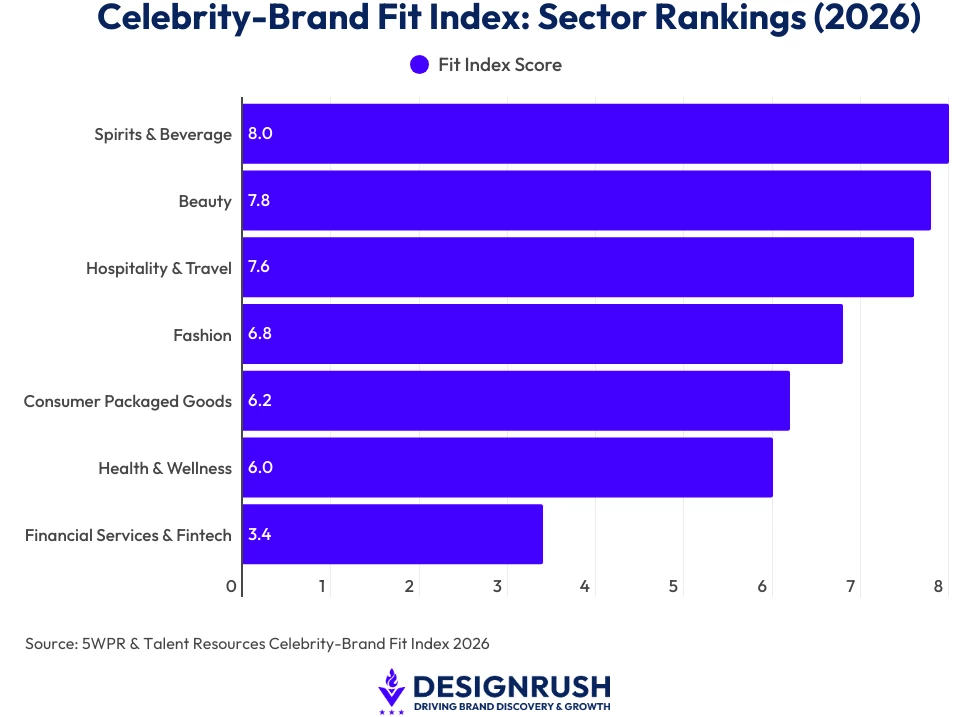
The report blamed the vampire effect, the same problem where audiences keep the star and drop the product.
The pattern across these 11 brands is hard to miss.
Celebrity advertising pays off when the category fits the star, and the work gives him something real to do.
The brands that had both got campaigns with real results, while the ones that only bought a face got a receipt.
Here are a few lessons the Beckham phenomenon reveals for agencies and brands planning celebrity partnerships:
- Exclusivity doesn't stop saturation: Locking out direct competitors is useless if ten other brands are diluting your recall by using the exact same face in the same broadcast.
- History beats a quick hire: Long-term partners like Adidas and Stella Artois succeeded because their relationship had real substance.
- Integrate them into the plot: The most memorable campaigns seamlessly wove Beckham into an established brand narrative that felt natural.
Beckham comes out of this World Cup ahead.
His personal brand carries more weight, his fees are banked, and his U.S. standing holds for another cycle.
The question for every brand marketing team is whether they can say the same.
Our Take: Should Any of These Brands Hire Him Again?
A star as expensive as Beckham only earns his fee when the brand writes him a real part.
We'd argue that Bank of America and Home Depot can bring him back, but they need a better brief first.
Their spots ran on his face alone, so viewers kept the face and lost the product.
For nearly two decades, George Clooney has played one consistent Nespresso character that no one could mistake for a cameo.
Beckham can be that for the right brand, as long as it hands him a role only he can fill.
Rent the face alone, and you just run up the bill without a sales lift to show for it.
Brands planning celebrity partnerships around major global events need agencies that understand how to build a brief around a talent's strengths.
Check out the top sports marketing agencies in our directory.