
A custom-made trophy might be one of the smartest branding decisions a tennis tournament makes.
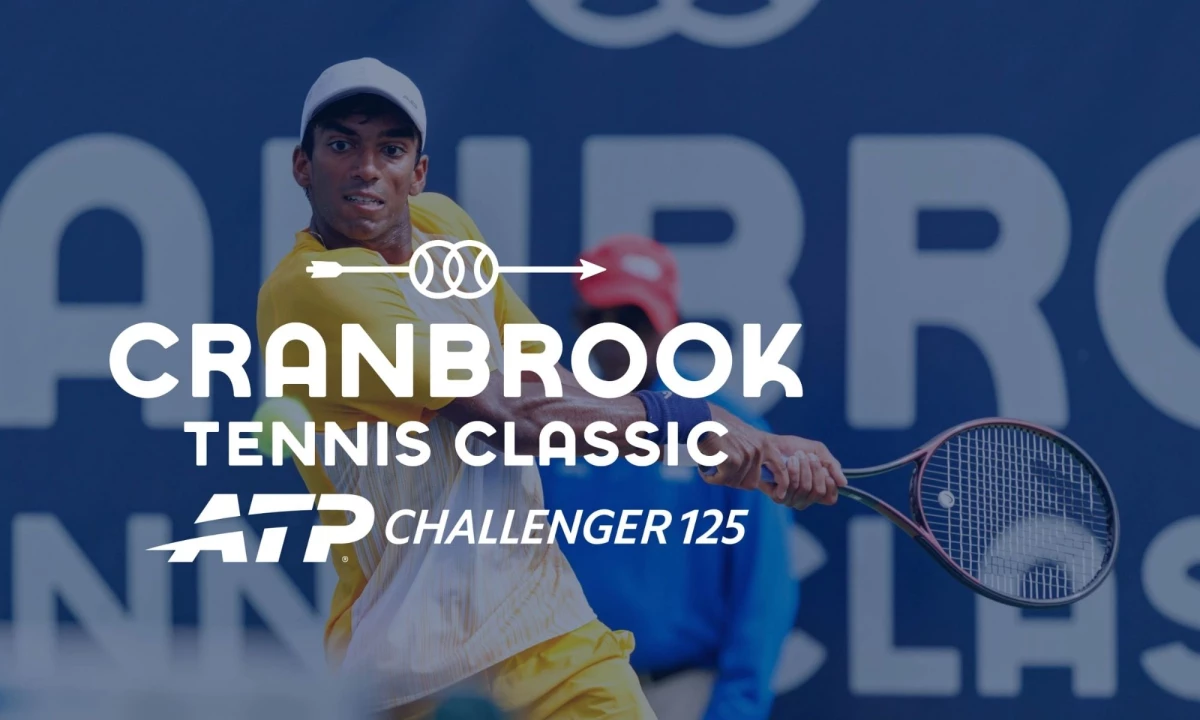
The Cranbrook Tennis Classic (CTC) returns on July 19 as the 2025 ATP Challenger Tournament of the Year.
And it's commissioning its 2026 championship trophy from Ian McDonald, artist-in-residence and head of ceramics at Cranbrook Academy of Art.
The tournament is hosted at Cranbrook, the Detroit-area institution that produced Charles Eames, Eero Saarinen, and Florence Knoll.
The campus earned its name as the cradle of mid-century modern design.
The trophy commission ties the event to this design heritage, while its other gains build the brand on the tennis court.
As an ATP Challenger 125 event, CTC now carries a $230,000 prize purse and national coverage on Tennis Channel, drawing players from more than 20 countries.
Founded in 2023 by advertising agency DonerColle's executive chairman, David DeMuth, the event has become a prominent stop on the circuit.
It also directs profits through the nonprofit organization Tennis Forward.
"We've approached building the tournament like building a brand because, that's what we're doing," David DeMuth told DesignRush.
"That means creating a unique position, establishing a clear and distinctive identity, and being deliberate about every detail."
For a three-year-old tournament, the trophy is a longer play than the prize money.
One designed by a celebrated ceramicist gives CTC a piece of brand identity that only this tournament can claim.
Brand Assets Fans Can Recognize
Most sports properties invest heavily in sponsorships, media coverage, and fan experiences.
Fewer invest in proprietary visual assets that can become part of the event's identity.
The CTC championship trophy serves this purpose.
Commissioning McDonald gives the tournament a signature object connected to the institution's design legacy.
"Every touchpoint matters. Every experience matters.
And with the incredible architectural and design heritage of Cranbrook, the visual presentation is critical," DeMuth added.
The decision also creates an asset that will appear across winner photography, broadcasts, social content, and future marketing materials.
Distinctive symbols such as trophies often carry stronger brand recognition for sports tournaments long after individual matches are over.
The biggest events create visual cues that audiences immediately associate with the competition, giving the brand long-term equity.
ATP Challenger Recognition
The tournament's investment in design comes as it continues to gain visibility on the ATP Challenger circuit.
The ATP named the Cranbrook Tennis Classic its 2025 Challenger Tournament of the Year, only three years after its founding.
Players from more than 20 countries are expected to compete in 2026, indicative of tennis' growing audience.
Tennis participation in the U.S. reached 25.7 million players in 2024, following five consecutive years of growth, according to USTA.
The nearly two million player increase from 2023 marks a significant acceleration of over 8% growth.
View this post on Instagram
The tournament demonstrates how design can reinforce growth when paired with strong competitive credentials.
- Distinctive assets improve recall. Brands should develop recognizable visual symbols to create stronger associations.
- Place-based branding creates differentiation. Organizations should connect experiences to local culture and heritage to create recognizable identities.
- Recognition compounds over time. Marketers should invest in assets that appear repeatedly across media coverage to strengthen brand memory.
As sports properties compete for attention, proprietary visual assets can become as valuable as sponsorships or media exposure.
Our Take: Can Design Heritage Become a Competitive Advantage?
Cranbrook gives the tournament a design legacy that already carries cultural credibility.
The institution's connections to pioneering modern design figures provide a bedrock for design and tennis to meet.
Rather than sourcing a standard award, the tournament connected one of its most visible symbols to the creative community it lives in.
The challenge is ensuring these design connections remain meaningful.
Heritage adds value when it shapes the experience and identity of an event, not when it exists solely as a marketing angle.
We often focus on logos or athlete sponsorships when discussing sports branding.
Cranbrook Tennis Classic's move suggests that a strong creative legacy can be just as powerful.
The same thinking can be seen in our analysis of the FIFA World Cup's 2026 visual identity, where design choices help create recognition outside the competition.
The strongest brands often own recognizable symbols that audiences remember for years.
Explore these top branding agencies that help organizations create lasting visual assets and brand equity.