
Steak 'n Shake's Attack on Cracker Barrel: Key Points
- Steak ’n Shake seized the opportunity to target Cracker Barrel with a billboard stunt, intensifying scrutiny while facing criticism for its own brand changes.
- Cracker Barrel’s failed logo redesign fueled consumer backlash, an 8% traffic decline, and investor anger from longtime rival Sardar Biglari.
- For agencies, the fallout highlights how abrupt design shifts can destabilize customer loyalty, spark rival attacks, and threaten brand equity.
Cracker Barrel’s failed logo redesign has sparked not only customer outrage but also a billboard attack from Steak ’n Shake’s outspoken CEO.
The Tennessee-based restaurant chain had attempted to modernize its nostalgic “Old Timer” logo in August, only to face swift criticism from diners, investors, and even former President Donald Trump.
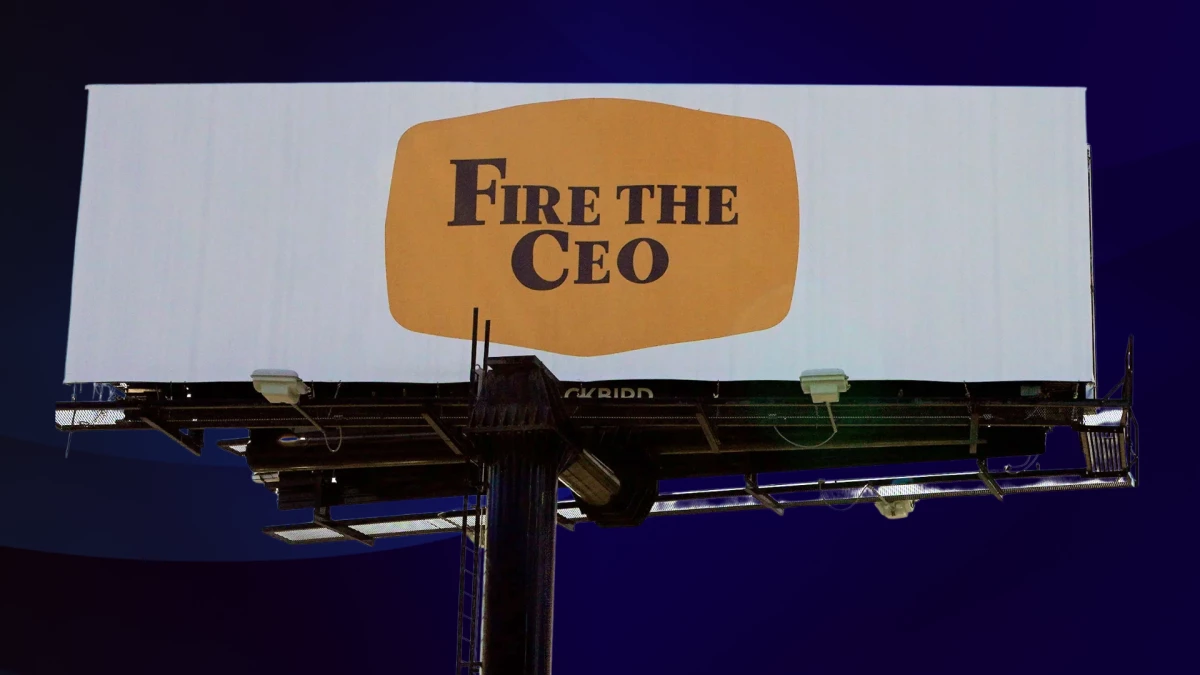
Steak ’n Shake CEO Sardar Biglari escalated the backlash this month by putting up a Nashville billboard demanding the removal of Cracker Barrel CEO Julie Felss Masino.
“Yes, we are responsible for this billboard,” Steak ’n Shake wrote in a post on X.
“Cracker Barrel's board has failed its shareholders. It has spent over a decade fighting with one of its largest shareholders rather than collaborating for the good of the company."
The stunt coincides with Biglari’s latest proxy contest to remove Masino, who has been in the role since July 2023.
Cracker Barrel quickly walked back the redesign after the outcry, restoring the classic logo featuring the seated man and barrel.
"We’ve listened, switching back to our ‘Old Timer’ logo, hitting pause on remodels and placing an even bigger emphasis in the kitchen and other areas that enhance the guest experience," Masino said.
Social Backlash Escalates
The reaction extended far beyond Wall Street, with Reddit threads lighting up with criticism of both brands.
"The feud that Steak 'n Shake is starting is hilarious considering how they abandoned what made them great 10–15 years ago,” one user wrote.
“The new logo is completely stripped of character and looks dumb," another noted.
Steak 'n Shake slams Cracker Barrel over controversial new logo change
byu/TurboKnoxville indoughboys
Others highlighted how Steak ’n Shake’s own brand experience has changed, with one comment noting how their local Steak and Shake makes them scan a QR code to turn on the fountain drinks.
"Place has zero charm," the person added.
Despite the controversy, Cracker Barrel reported a 4.4% revenue bump in its last quarter to $868 million.
However, CFO Craig Pemmelis confirmed that customer traffic plunged 8% in the weeks after the logo debuted, with Cracker Barrel taking a deeper hit to brand equity.
Rivalries and Reversals
For Steak ’n Shake, the billboard was more than a jab.
The move established the chain as a stern defender of tradition, while calling out a competitor’s misstep.
The move also highlighted a central tension: how to modernize legacy chains without alienating loyal customers.
Cracker Barrel is no stranger to shareholder battles.
Since 2011, Biglari has launched seven proxy contests against the chain, but this is the first time he has literally taken the fight to the streets.
For Cracker Barrel, the stakes are high.
Its $700 million rebranding campaign is now paused, and analysts warn that repairing trust could take years.
What Brands and Agencies Can Learn from a Logo Backlash
For agencies, Cracker Barrel offers a timely case study in brand evolution and gauging customer satisfaction.
Key takeaways include:
- Rebranding efforts should strike a balance between nostalgia and progress, particularly for brands with deeply emotional customer connections.
- Competitive attacks can fuel attention but risk exposing the challenger’s own weaknesses in customer experience.
- When identity, in-store experience, and advertising align, it can soften the blow of controversial changes.
The real test will be whether Cracker Barrel can regain its footing while fending off a competitor capitalizing on its misstep.
When Rebrands Go Wrong: Real-World Cases of Logo Fails
Even the most recognizable brands can fumble a logo redesign, and the consequences often go far beyond negative comments.
Take, for example, Tropicana's 2009 packaging redesign, which replaced its signature orange-with-straw image with a glass of juice.
This small change caused sales to plunge by roughly 20% in just two months. That's around a $30 million loss.
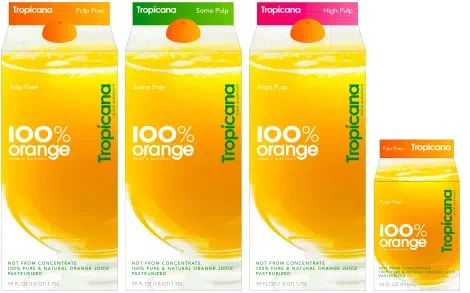
Just like Cracker Barrel, the backlash was swift, and the company reverted to the original design soon after.
In 2010, Gap unveiled a new logo meant to appear modern, but the public reaction was overwhelmingly negative, causing the brand to reverse the change within six days.
Notably, the failed rebrand reportedly cost Gap about $100 million.
These real-world examples show how poor branding decisions can cost millions, tank customer loyalty, and force embarrassing reversals.
Especially when the redesigns ignore consumer attachment to legacy visual identity.
Our Take: Do Rebrands Really Need to Hurt?
Cracker Barrel’s misstep revealed a deeper disconnect between leadership decisions and customer sentiment.
It's proof that when brands misread their audience, even small visual changes can become crises.
I find it telling that a rival used this moment for a billboard stunt, showing how rebrands can become weapons in competitive battles.
However, the mishap goes beyond logos, too.
It’s about the trust customers place in heritage brands.
What Jaguar did wrong in its rebrand late last year, Bentley did right by making subtle changes to its logo that fans of the brand generally welcomed with open arms.
The takeaway? Rebrands succeed when they are grounded in thoughtful branding strategy and communicated with clarity.
Without that, you risk not just a failed design, but a crisis that gives your competitors an opening.
In other news, Snickers, also a heritage brand, launched an extension of its "You're Not You When You're Hungry" campaign.