
Bentley's New Logo: Key Findings
- Bentley’s fifth-ever logo, designed in-house, refines rather than replaces its iconic Winged B.
- The update keeps heritage intact while modernizing for digital and electric futures.
- A concept car and new design studio launch ground the rebrand in a real-world rollout.
Quick listen: Bentley’s new logo shows how to evolve without erasing heritage, in under 2 minutes.
Bentley just showed the world how to modernize a heritage brand without throwing legacy out the window.
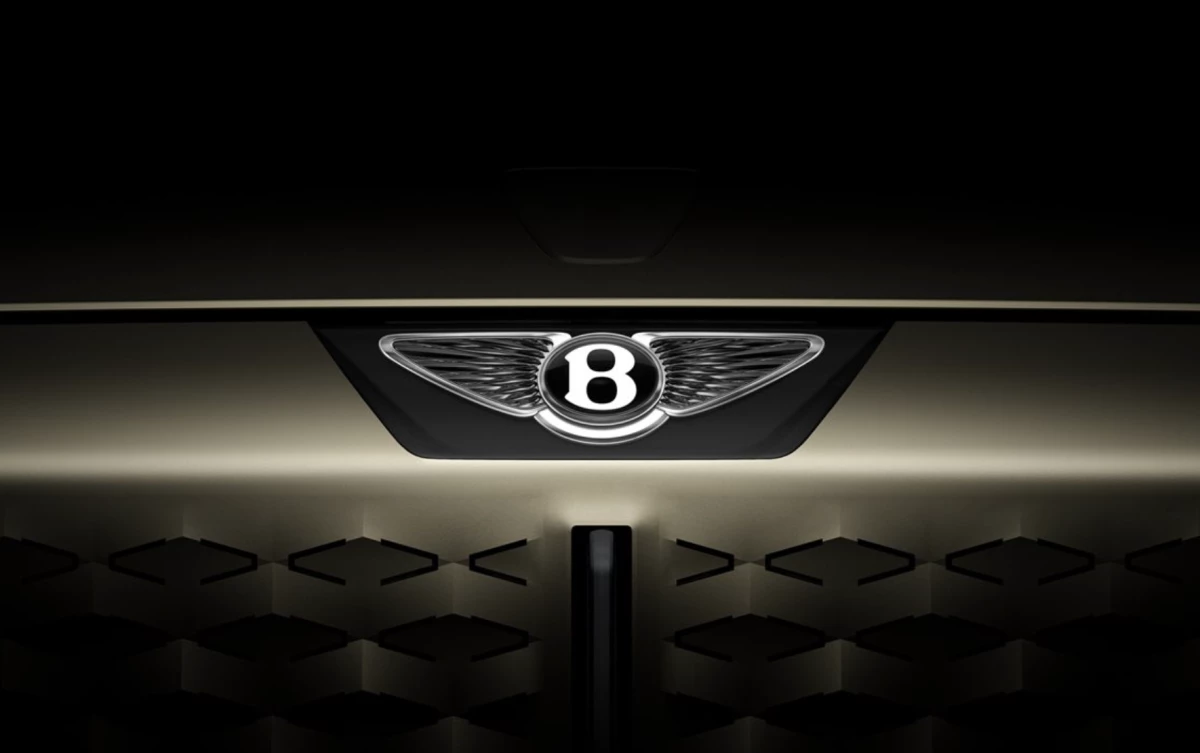
In its first major logo update since 2002, Bentley Motors unveiled a new version of its iconic “Winged B.”
It's a minimalist redesign that refines rather than replaces — a huge contrast to Jaguar's most recent logo update.
Created entirely in-house and led by Director of Design Robin Page, the new emblem keeps the familiar monogram and wings but smoothens the edges for a more focused, luxurious look.
The center “B” jewel has been reworked to stand on its own, the wing feathers have been stylized into a diamond pattern, and references to fine watchmaking give it a polished, tactile feel.
The final design came from an internal sketch competition, with a concept by Young Nam, a member of Bentley’s interior design team, eventually chosen and refined by the studio.
“The new Winged B — and the concept car that introduces it — both symbolise a powerful, exciting future for this company and its exceptional, handcrafted products,” Page said in a press release.
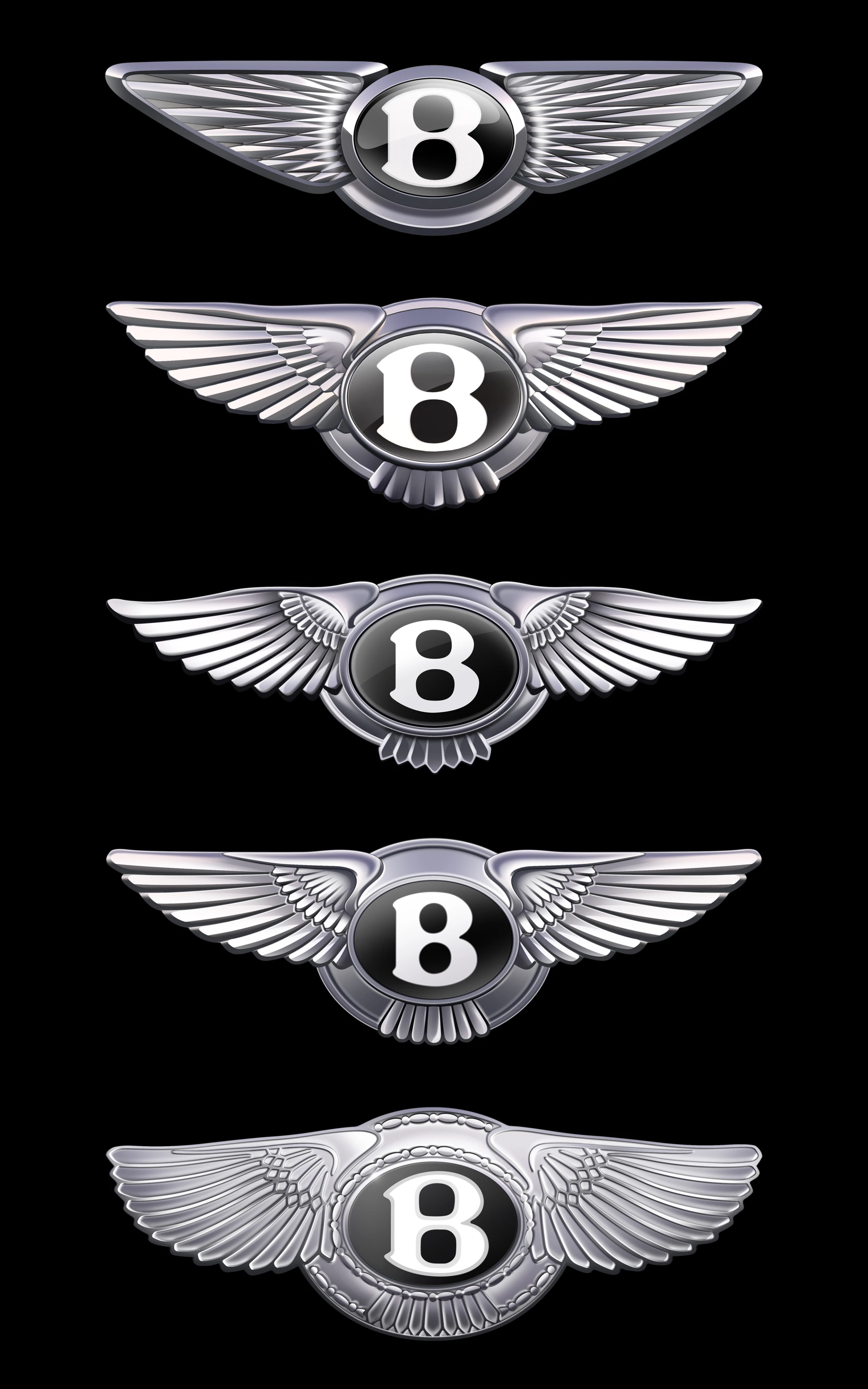
It’s only the fifth time Bentley has updated its logo since 1919.
But unlike other automakers that have erased their visual DNA for sleeker aesthetics, Bentley’s refresh reads more like a confident evolution.
A Refreshed Identity Anchors New Activations
The new emblem debuted last July 8 atop a concept car that Bentley says is not for production but offers a glimpse into the next phase of its design strategy.
That same day, the company will also open a revamped three-story design studio at its Crewe headquarters.
The space will be reimagined within Bentley’s original 1938 factory building.
The upcoming concept vehicle, which is still under wraps, is expected to draw inspiration from a classic Bentley model.
This ties the new aesthetic to the brand’s past while positioning it for a more electric future.
Bentley’s cautious approach contrasts sharply with Jaguar’s failed rebranding attempt, which saw the British rival abandon its leaping cat logo in favor of a generic lowercase wordmark.
Handled by Accenture Song under the “Copy Nothing” campaign, the 2024 rebrand backfired almost instantly.
This was followed by Jaguar’s April 2025 sales in Europe dropping to just 49 units, down 97.5% Year-over-Year, according to the European Automobile Manufacturers’ Association.
The company had phased out nearly all its models before replacements were ready, leaving dealers with little to sell and longtime customers alienated.
BMW, Audi, and Mercedes-Benz, by contrast, retained combustion offerings while adding EVs, preserving both visibility and volume.
Bentley is sidestepping the product vacuum that tripped up Jaguar by making it a point to keep its visual signature intact.
The new logo is more than a signal of what's to come, because it’s arriving with something to show for it.
Our Take: Can Heritage Still Drive a Brand Forward?
Bentley’s rebrand is a case study in restraint done right.
The in-house approach gave them full control, and the result is a logo that feels both timely and timeless, all without having to chase any trends.
More importantly, they avoided the common trap of rebranding without anchoring the change to the actual product or experience.
It’s tempting for legacy brands to chase relevance by going minimal and abstract.
But Bentley shows that even the most traditional emblems can be refined without being erased.
Meanwhile, JLR recently redesigned its Range Rover logo, which was also met with negative reception.
Want to see how the right strategy can revive legacy brands? Check out these top agencies in our directory: