
SEO Workflow Optimization Takeaways:
- 62% of marketers find their tech stacks too complex, while 59% lack performance tools.
- Fortunatos.io boosted organic traffic 24x using Collaborator.pro to coordinate backlink campaigns.
- Effective link-building profiles require quality strategic placement and clear brand messaging.
Marketers are feeling the strain: 62% say their tech stack is too complex, and 59% admit they lack the performance tools they need, according to a recent Forrester Consulting study.
That friction is evident in SEO and digital PR, particularly when teams manage multiple campaigns at scale.
SEO agency Fortunatos.io learned that the hard way. After years of underinvesting in SEO, they found themselves stuck at 7,500 monthly visits, mostly branded traffic.
To catch up, the agency tightened backlink outreach around topic clusters, coordinated execution across the team, and made client-side funding easier through one centralized system.
In our interview, Mykhailo Shcherbachov, co-founder and CMO of Collaborator.pro, shares how its Master Account helps SEO teams streamline link acquisition — like it did for Fortunatos, which grew from 7,500 to 180,000 monthly visits.

Who Is Mykhailo Shcherbachov?
Mykhailo Shcherbachov is the Co-Founder and CMO of Collaborator.pro, an award-winning PR distribution platform connecting SEO specialists and marketers with trusted publishers worldwide. He is also the Founder and CEO of Livepage, a fast-growing marketing agency. With a strong focus on authentic partnerships and performance marketing, he brings data-driven results to every project.
Editor's Note: This is a sponsored article created in partnership with Collaborator.pro.
Managing multiple clients or campaigns brings several key challenges for SEO teams and digital PR specialists:
- Finding the best conditions for building high-quality backlinks: Earning referral links through strategic outreach and effective project management can yield benefits.
- Convenient team management within a single account: Adding colleagues, restricting access to NDA projects, and managing passwords securely.
Adding client projects and granting access to them to other accounts. - Flexible balance top-up options: Topping up the account yourself or allowing the client to do it directly.
Mykhailo saw these pain points early on. Running an SEO agency with over 60 people gave him a clear view of the operational struggles agencies face.
“We gave our team a full walkthrough of the platform and simply listened to the questions our experienced SEO specialists had. That’s when it became clear that agencies always need more advanced functionality,” he tells me.
And, since he’d managed Google Ads accounts before, the idea naturally grew into what’s now the Master Account.
Breaking Traffic Plateaus With Smarter Link-Building
Fortunatos.io’s challenge came from working with a SaaS client in mobile app marketing, when it realized that its client’s in-house marketing team had neglected SEO for years.
Initial analysis revealed the site’s organic traffic had plateaued at about 7,500 visitors per month, with nearly all of that coming from branded searches. This showed the company was missing out on broader organic opportunities.
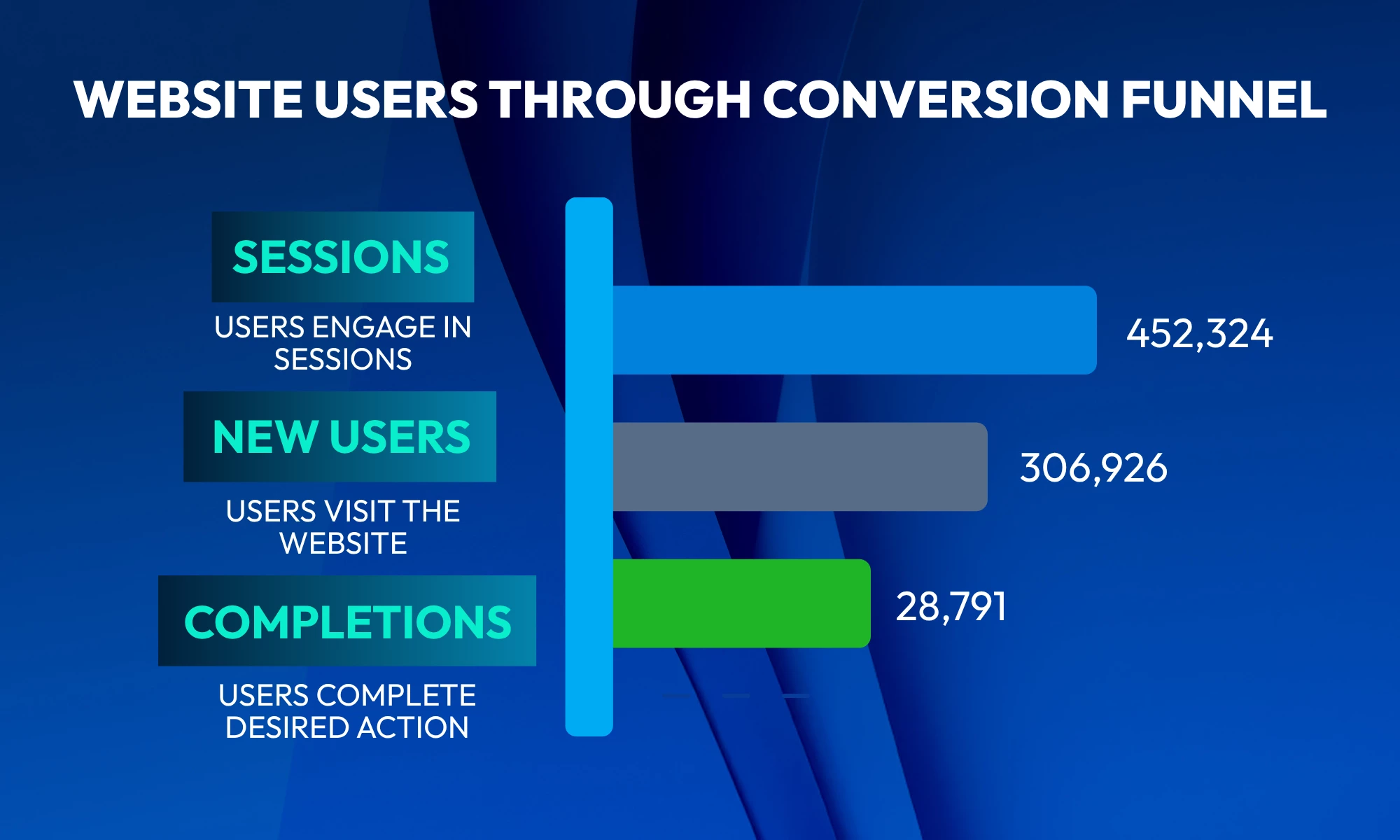
Despite extensive internal optimization and query work, the team invested over $5,000 per month in backlink outreach campaigns, many delivered by Collaborator.pro. The Master Account helped the agency distribute tasks according to priority clusters of queries for different topics and guest post types.
It zeroed in on long-tail keywords that brought in the right kind of visitors and weeded out the random clicks from people who weren’t interested.
As a result, organic traffic jumped from 7,500 to a whopping 180,000. The site’s domain rating, conversion rate, traffic, and lead volume all increased after a well-planned, properly executed link-building campaign.
-(2)-content-large-webp.webp "Fortunatos SEO case study")
However, scaling link campaigns isn’t just about volume. Quality has to keep up as well. Mykhailo recommends treating backlink campaigns like any other full-scale marketing campaign by:
- Focusing on every page that needs brand mentions
- Creating a range of listicles and sharing them across platforms like Quora, LinkedIn, and relevant websites.
- Producing unique visuals for your product, including tables, infographics, photos, screenshots, and GIFs
- Being clear about your brand’s message when publishing content.
“Don’t just get links for the sake of links. Provide search engines with meaningful information about your brand,” he adds.
Spotting Winners and Losers in Content Placement
When choosing blogs, media sites, or Telegram channels for content placement, Mykhailo says SEO teams should watch out for clear warning signs.
Red flags:
- Inflated metrics on websites that don’t hold up
- Lack of external links on referring sites
- Poor site quality or sites that don’t meet their intended purpose
Green flags:
- Balanced mix of search and branded traffic
- Strong external backlinks
- Promotional content is integrated naturally into the site
Beyond these, Mykhailo pushes back against the usual obsession with topical relevance.
“We firmly stand by the view that using news websites has been, is, and will continue to be effective for a long time,” he says.
When measuring the success of backlink campaigns and digital PR efforts, he highlights these KPIs:
- Sales and inquiries, including those from organic channels
- Increased visibility and improved website rankings
- Referral traffic from backlinks and visits influenced by LLM systems
- Conversions from backlinks, tracked mainly for high-cost, high-traffic links using tools like Power BI
“Traffic can also be an indicator, but we now see that even without a drop in rankings, search traffic to internal pages may decline,” he adds.
The future of SEO and digital PR isn’t just about chasing keywords. It’s about knowing how your content fits into your overall marketing and how people find your brand, especially with AI changing the game.
“SEO is gradually transforming into a full-fledged marketing tool. If a company has a marketing strategy, the SEO team should understand what it consists of and what content about the company needs to be distributed,” Mykhailo argues.
“Search engines actively use the information we publish about the company and brand for various types of recommendations. Some refer to this approach as semantic link building, but the core idea is that a user might now discover your brand through a recommendation and then search for it directly, landing on your homepage.”
That’s why backlink acquisition strategies must closely align with both marketing and product goals, he adds.
If the industry isn’t having these conversations, then it’s stuck in the past, and no fancy tool or platform will save anyone from that.