
Coca-Cola is telling football fans that losing their voice at the game is all part of the experience.
The brand is bringing back "Fan Work Is Thirsty Work," which debuted in 2024, with a tour that has grown 40%.
Coca-Cola visited 53 campuses last football season, and this fall it is running 74 stops, the largest physical footprint the platform has had.
It recognizes the tailgating, screaming, and group-chatting that fandom requires.
"Football fandom is about so much more than what happens on the field," Coca-Cola Trademark VP Stacy Jackson said in a press release.
"With 'Fan Work Is Thirsty Work,' we're celebrating that passion and showing up with an ice-cold Coca-Cola wherever fans are putting in the work throughout the season."
On social, Coca-Cola is spotlighting real supporters from partner schools during key matchups.
It pairs creator partnerships with content that follows the same tailgates and watch parties that fans already take part in.
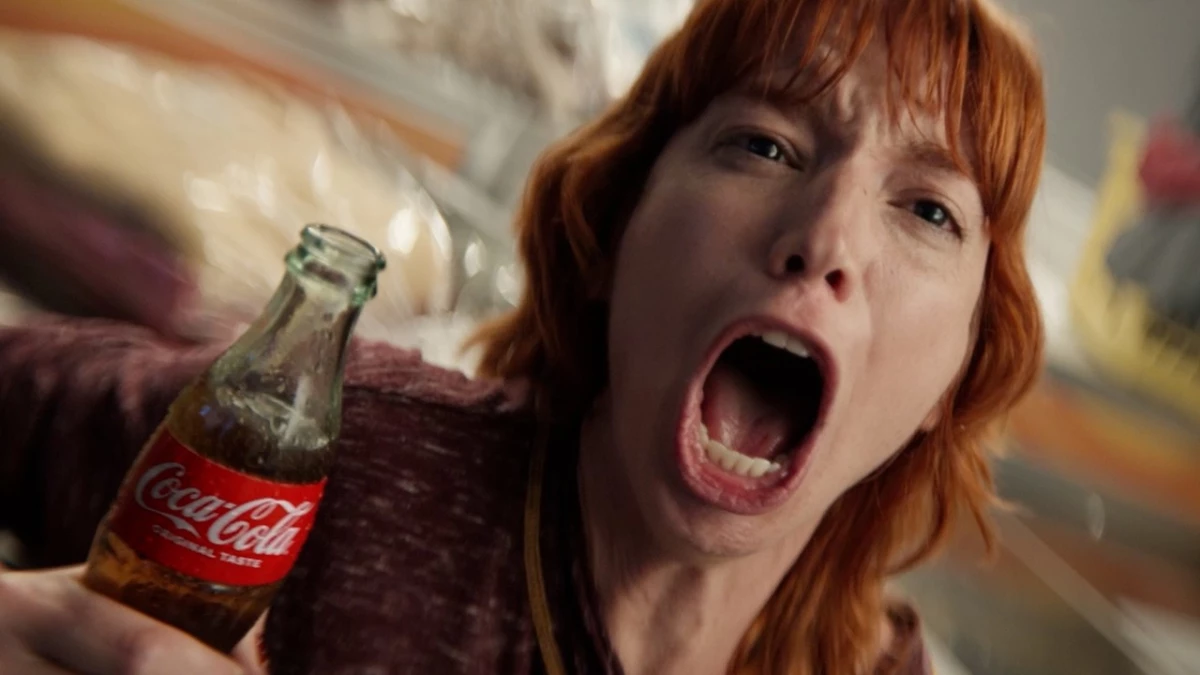
A refreshed "Scream" spot airs on TV, showing fans giving their all across the many places fan activity takes place, from the couch to the stadium steps.
The split gives Coca-Cola weekly creator content for social and a polished asset for broadcast, which is how video marketing budgets stretch across a full season.
25 Teams, One Platform
The campaign's reach depends on meeting fans where they gather.
Promotional packaging across Coca-Cola products will feature 13 college and 12 pro football teams in select markets.
They will come with scannable packs unlocking personalized team experiences, tickets, merchandise, and digital gift cards.
New "Friday for the Win" prizes drop throughout the season, adding a weekly hook to the packaging push.
Fans who buy a Coca-Cola at participating food service locations can also grab an exclusive Football cup or scratch card.
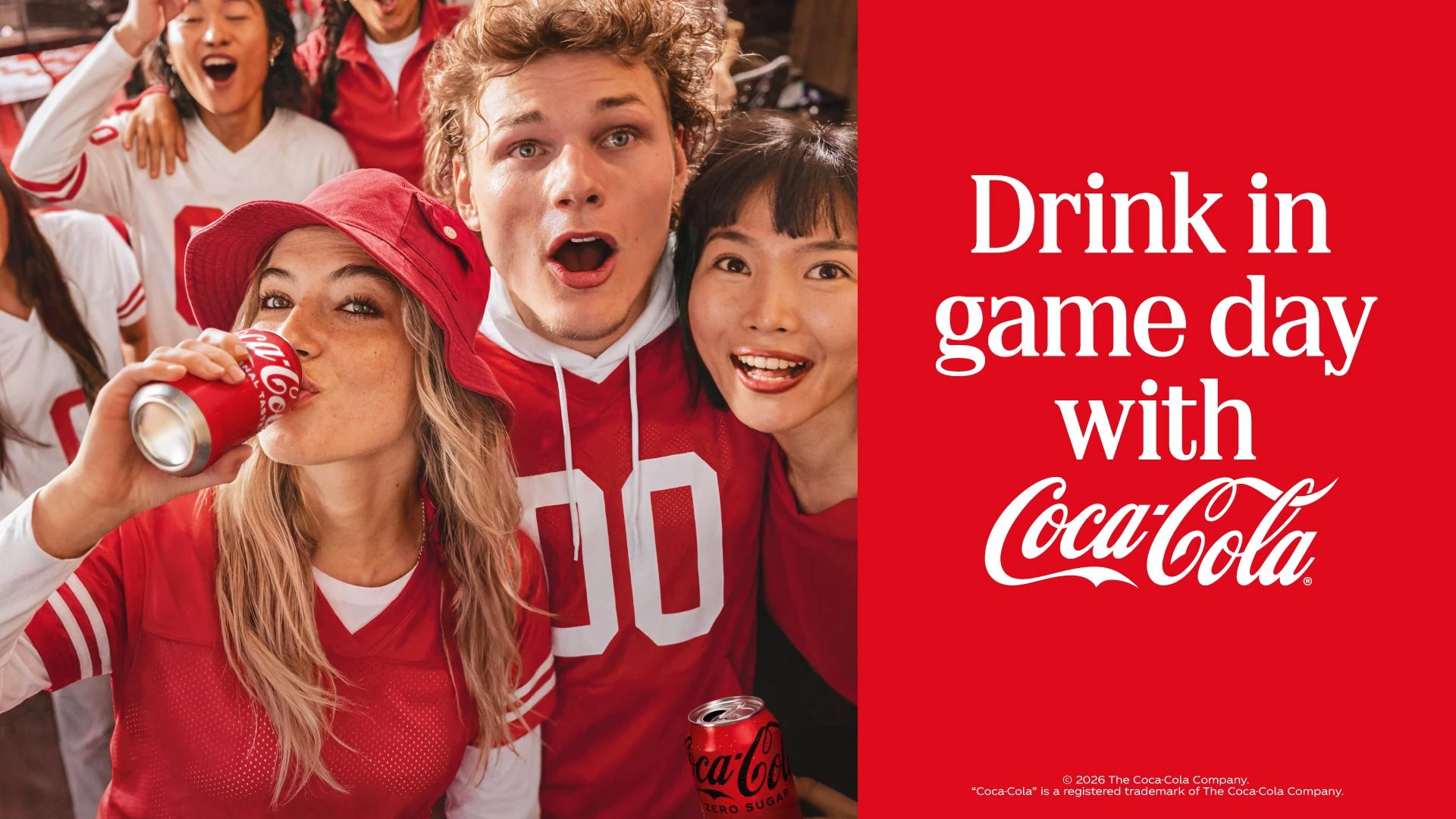
The brand's 74-stop tour brings the platform to partner campuses throughout the college football season, with added stops at select professional tailgates.
Coca-Cola is also tying in with Big Noon Kickoff, Coca-Cola Bowl Season, and, for the first time, Yahoo! Sports College Fantasy Football.
This approach gives the brand a foothold in how fans track and compete throughout the season.
Lastly, hockey-focused activations round out the push in Canada and select U.S. markets, stretching the platform past football season.
The 77% Game-Day Spending Spike
Sixty-two percent of Americans have spent or expect to spend on sports fandom in 2026, per a National Debt Relief survey of 2,000-plus adults.
The average annual tab comes to $1,970.
On NFL game days, total card spending in stadium zip codes climbs by around 77%, concentrated in food, drinks, parking, and lodging.
The 74 stops track that spike, putting Coca-Cola sampling in the same zip codes where fans are already swiping cards on game day.
This proximity is the whole argument for experiential marketing, since a can handed over at a tailgate costs less than a media buy aimed at the same fan.
Three takeaways stand out for marketers:
- Reward the ritual, not just the purchase: A scan-to-win mechanic on packaging turns an already-habitual purchase into a second point of engagement without asking fans to do anything new.
- Go where the spending happens: A tour built around tailgates and campuses meets fans in the exact zip codes where game-day spending spikes, instead of asking them to travel toward the brand.
- Switch between real fans and talents: Featuring supporters from partner schools costs less to produce than celebrity casting and reads as more credible to the audience being targeted.
A platform this wide holds together only when every small piece, a scratch card, and a scanned can, points back to the same idea.
Our Take: Can Fans Take the Place of Star Power?
We've watched a lot of brands build football campaigns around the players, the trophies, and the plays that make the highlight reels.
This one skips all of that and points the camera at the people in the stands instead.
Coca-Cola plays on the idea that fans want to see themselves in its branded content.
It also means the social side of the campaign depends entirely on which supporters Coca-Cola and its creators put on camera.
Opting for a fan-centric approach means there's no scripted athlete footage to fall back on if the real content falls flat.
And we think that's a fair trade for a brand with enough scale to find compelling fans at 74 different stops all over the country.
Find the teams driving growth and engagement across every platform. Check out these top digital marketing agencies in our directory.