
Key Takeaways:
- Coca-Cola's "Classic" ad campaign mistakenly attributed a non-existent book, "Extreme Metaphors by J.G. Ballard," to the author.
- The commercial used AI to identify mentions of Coca-Cola in literature, but the misattribution raises concerns about the reliability of AI-generated content in advertising.
- This incident follows previous criticisms of Coca-Cola's AI-generated Christmas ads, which were described as lacking creativity.
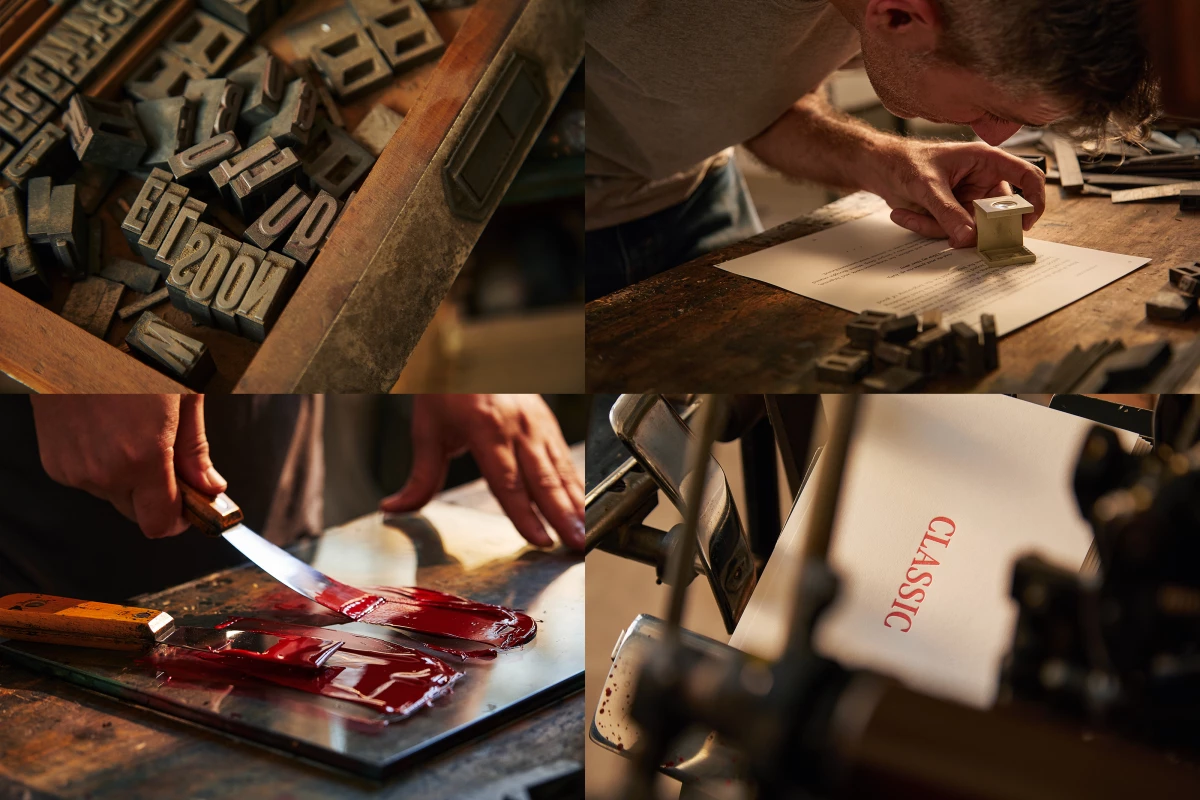
Coca-Cola recently launched its “Classic” campaign, aiming to showcase moments in literature where the brand name was mentioned.
In the commercial, viewers watch a typewriter recreate lines from various novels like "The Shining" and "A House for Mr. Biswas," each featuring Coca-Cola.
At the moment the brand appears, the font shifts to its iconic logo, adding a bold visual stamp.
But one inclusion has been revealed to be inaccurate by 404 Media.
The campaign references a supposed 1967 book titled "Extreme Metaphors" by British author J.G. Ballard.
However, no such book exists.
It was actually "Extreme Metaphors: Selected Interviews with J.G. Ballard 1967–2008," a posthumous collection of interviews published in 2012.
The line quoted in the ad is not Ballard’s writing but a translated transcript of a 1985 interview originally conducted in French.
Dan O’Hara, one of the book’s editors, confirmed he was the one who translated and wrote that version of the text.
A new Coke ad proudly features a quote from a J.G. Ballard book, only he didn’t write the words and it’s not his book
— Dan O'Hara (@skeuomorphology) May 13, 2025
(spoiler: the book & words are by, er, me)https://t.co/dWAWxwVBC2
Led by VML New York and crafted by WPP Open X, an automated system was used to comb through books for references to Coca-Cola.
“For the creation of ‘Classic’ AI was leveraged in the initial research phase to identify books with brand mentions,” a VML spokesperson told 404 Media in an email.
“After that, we conducted a manual scan of credible sources to ensure accuracy and due diligence and secured permission from all involved publishers, authors and estates.”
And since this article came out, Coke have removed the ad, which has already been running for a month in cinemas, on radio, billboards and the net.
— Dan O'Hara (@skeuomorphology) May 14, 2025
They didn't ask permission and certainly haven't paid to use my translation.
The ad is here. pic.twitter.com/rzmx0fUGgU
Still, the use of Ballard’s name alongside a fabricated book title and a misspelling of “Shanghai” raised red flags that the review may not have been thorough enough.
“What most outraged my eye was the word ‘Shangai’ being typed. Ballard would never have misspelled the name of the city in which he was born.
Seeing the ad triggered an academic neurosis: had I? I checked my copy of Extreme Metaphors and, thank god, no: it’s printed as Shanghai in the original text,” O'Hara said in an interview with 404 Media.
Positioning the campaign as literary and culturally informed added a layer of prestige consistent with Coca-Cola's legacy brand image.
However, the factual inaccuracy exposed a lack of rigorous human oversight.
This disconnect may weaken consumer trust and lead to skepticism in future branded storytelling efforts.
DesignRush has reached out to Coca-Cola, WPP, and VML for comment, but none has responded as of publishing.
Creativity on Autopilot Backfires
This is not the first time Coca-Cola’s embrace of new production methods has been met with criticism.
During the previous holiday season, the company debuted an AI-generated series of Christmas commercials, which were widely panned for lacking emotional depth.
Some described the visuals as cold and disconnected from the warmth typically expected of holiday advertising.
Coca Cola using ai for an ad is genuinely so terrifying to me. Art is dying.
— KJ VA 🎙️🏳️🌈 (@KJBurbankVA) November 17, 2024
Actors, replaced. Camera workers, replaced. Drivers, replaced. Designers, replaced. Soulless.
This is affecting EVERYONE now. Whether you want to accept that or not. Its going too far pic.twitter.com/0ANfrSqZU6
Artists and writers have been outspoken about how automated tools are transforming creative industries.
These technologies can shortcut the creative process and, in some cases, erase the unique voice of human creators.
"We find ourselves in an era of paradox. On one hand, AI promises unparalleled efficiency and limitless potential for creatives.
On the other [hand], it threatens to spawn a masterful new generation of cookie-cutter designs that could spell the end of many creative careers," Microsoft VP of Engineering and CoreAI John Maeda wrote in 2023.
Indeed, studies have proven that the introduction of AI automation in company processes have led to many losing their jobs.
If people tell you gen AI is a tool rather than a replacement for human creativity, show them this new data from Harvard Business Review:
— Ed Newton-Rex (@ednewtonrex) November 12, 2024
- ChatGPT reduced writing jobs by 30% and coding jobs by 20%
- AI image generators reduced image creation jobs by 17%
- These numbers are not… pic.twitter.com/eMtJyd1LsM
If brands continue to rely heavily on AI for content creation without thorough human oversight, similar missteps could become more common
And this could potentially erode the credibility a brand has built for years or decades.
Branding agencies should apply extra scrutiny when using AI for content creation, incorporating multiple layers of editorial review to protect accuracy, voice, and long-term brand equity.
Meanwhile, Jaguar has recently placed its creative agency, Accenture Song, under review after receiving widespread backlash for its "Copy Nothing" rebrand.
See how branding agencies are shaping the next generation of campaigns. Check out the top branding agencies: