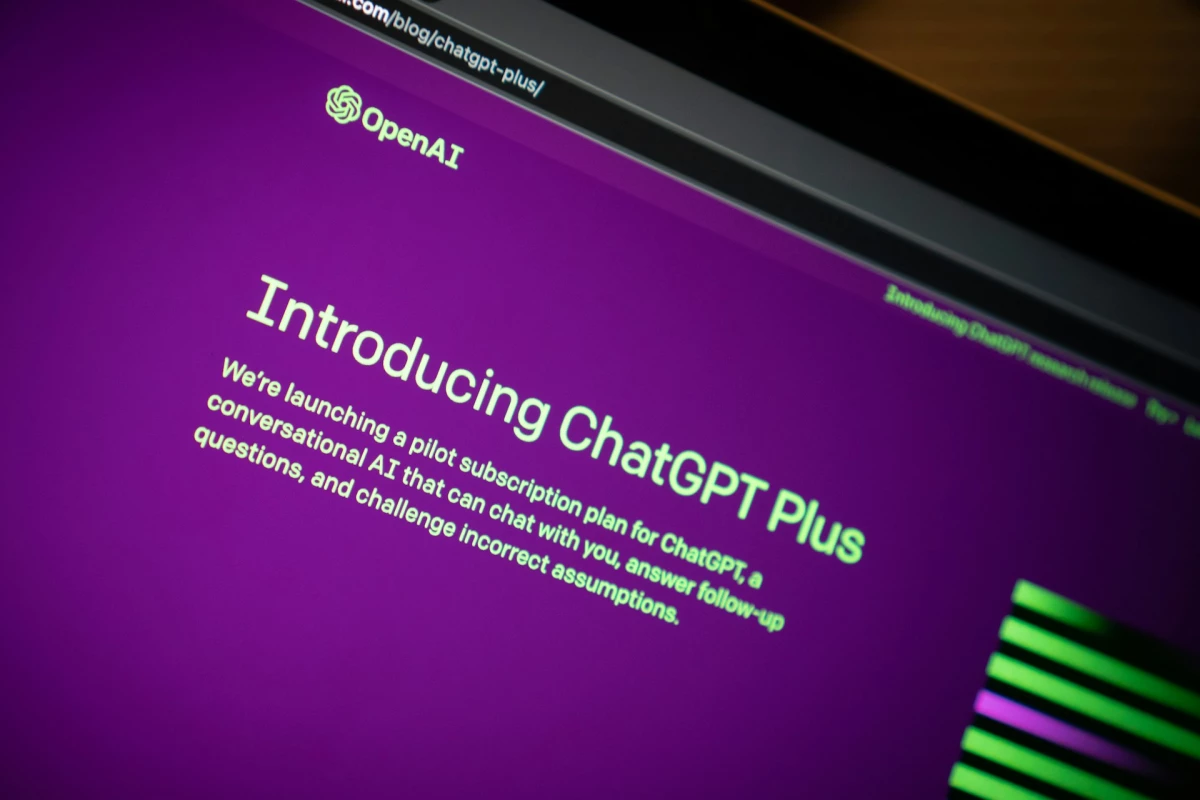

OpenAI's ChatGPT faced another unexpected global outage on Thursday morning, with the service disruption leaving millions of users unable to access the popular AI-powered chatbot.
OpenAI initially reported resolving the issue at 4:43 a.m. Pacific Time, after an outage caused elevated error rates between 3:33 a.m. and 4:23 a.m.
However, shortly after declaring the problem fixed, OpenAI announced that they were "investigating the issue" once more.
At 5:12 p.m. PT, users reported encountering "bad gateway" errors when trying to access the platform.
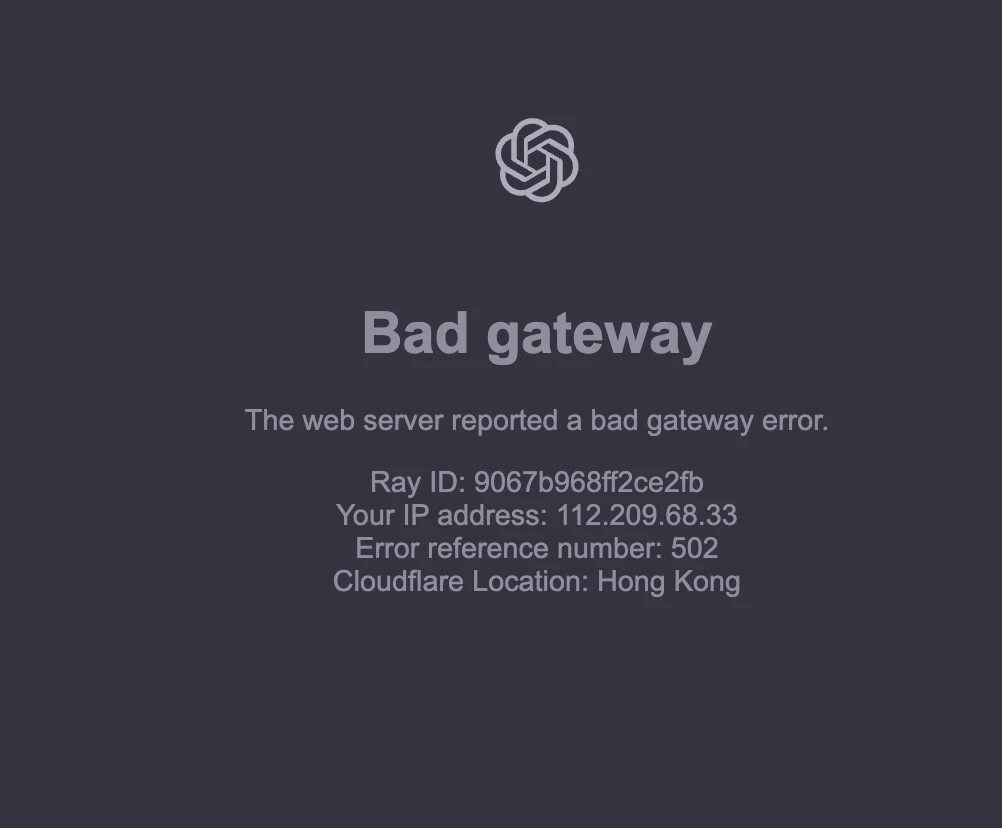
Online outage tracker Downdetector recorded a sharp spike in outage reports, exceeding 1,000 complaints globally, with potential spillover effects on other OpenAI services, including GPT-4 models.
Mario Nawfal, a journalist, highlighted the ongoing issue on X (formerly Twitter).
🚨BREAKING: CHATGPT IS DOWN
— Mario Nawfal (@MarioNawfal) January 23, 2025
OpenAI is currently in the thick of an unresolved incident with ChatGPT and the API experiencing higher than usual error rates.
Source:OpenAI pic.twitter.com/Umaarmhbj0
OpenAI has become a household name in artificial intelligence, developing widely used tools like ChatGPT, DALL-E, and APIs that provide access to its advanced language models.
These tools play a critical role in industries such as content creation, software development, and data analysis.
The outage quickly gained attention on social media, with users posting memes and expressing concerns about their reliance on the platform for work and personal projects.
Bruh ChatGPT is down again??? During the work day?
— Mustafa (@KingMusss) January 23, 2025
So you’re telling me I have to… THINK?! pic.twitter.com/vXGWjGzJMq
This isn't the first time chatGPT experienced an outage, and the incident further highlights the growing dependence on AI-powered tools in daily workflows and the challenges companies like OpenAI face in maintaining consistent service uptime.
The disruption comes shortly after OpenAI introduced a new chatGPT feature that allows users to schedule actions for later execution.
This shows the company's ongoing efforts to expand its platform's functionality while highlighting the need to scale to meet increasing user demands.