
Channel 4's First AI TV Presenter: Key Findings
- Channel 4 used an AI-generated host for “Will AI Take My Job?” to become the first British TV show to do so, emphasizing the power of AI in creative media.
- Created by Kalel Productions, the AI journalist appeared human until the final reveal, showing how much generative AI has evolved over the years.
- The experiment questions trust, ethics, and the speed of automation in broadcast storytelling.
When the credits rolled on Channel 4’s latest “Dispatches” episode, audiences realized the journalist they’d watched wasn’t human.
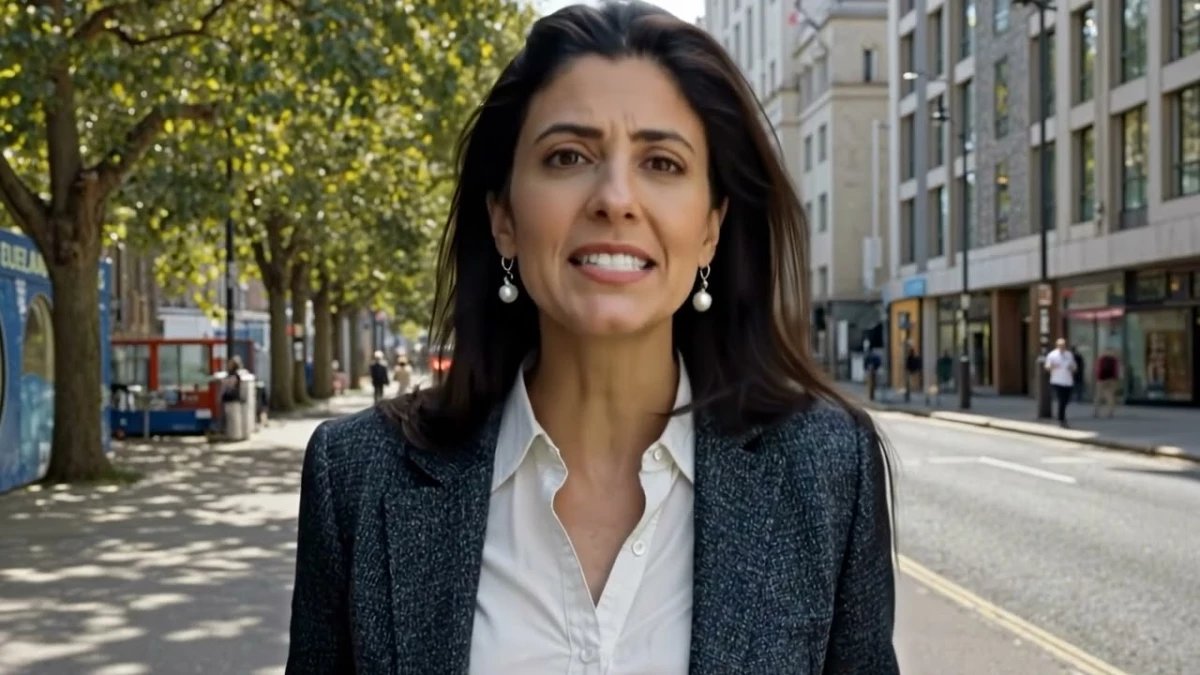
In "Will AI Take My Job? Dispatches," the network made TV history by featuring Britain’s first AI presenter.
In essence, it's a digital anchor designed to highlight how fast artificial intelligence is reshaping work.
The documentary followed the impact of automation on fields from medicine to music, saving its biggest twist for last.
The host’s image, voice, and movements were entirely AI-generated.
Led by Kalel Productions and AI fashion brand Seraphinne Vallora, the production used advanced tools to render a lifelike digital reporter capable of nuanced performance.
“AI is going to touch everybody’s lives in the next few years. And for some, it will take their jobs,” the presenter declared before revealing its true identity.
“Because I’m not real. In a British TV first, I’m an AI presenter.”
“Some of you might have guessed: I don’t exist, I wasn’t on location reporting this story. My image and voice were generated using AI," the reporter concluded.
Louisa Compton, Channel 4’s head of news and current affairs, said the stunt was designed to make audiences question what they see on screen.
“The use of an AI presenter is not something we will be making a habit of,” she explained.
“But this serves as a reminder of how disruptive AI has the potential to be — and how easy it is to hoodwink audiences with content they have no way of verifying.”
Adam Vandermark, the program’s commissioning editor, added that while the AI was convincing, “it couldn’t do the work of an investigative journalist. Or could it?”
Pushing Authenticity to Its Limits
Kalel Productions CEO Nick Parnes called the project “risky, yet compelling.”
He noted that generative technology is rapidly closing the gap between virtual and human presence, saying it’s "getting more economical to go with an AI presenter over human, weekly."
Beyond the stunt, "Will AI Take My Job?" shows us how AI tools are changing media production itself.
The film’s reveal sparked debate about employment and creativity, and also became a marketing moment in its own right.
Overall, it's a vivid example of technology becoming the story.
Channel 4 maintains clear editorial guidelines on AI use, requiring full disclosure to viewers.
In declaring transparency and provocation, the broadcaster transformed a public-interest investigation into an experiment that treaded sensitive waters.
What We Can Learn from Channel 4’s AI Gimmick
Channel 4’s stunt offers lessons on the creative risk of disruption, and the benefits you can reap if you do it right. Here, we can learn that:
- Bold experiments can generate conversation, but disclosure and transparency will always be the factors that sustain long-term trust.
- Shock value works well when tied to a deeper question about human behavior or ethics.
- Similar moves by BuzzFeed and Reuters show that early adoption attracts attention but demands clear editorial control.
It's a stark difference from how AI companies present the innovation.
Think OpenAI, or Anthropic.
Their works often lean into human storytelling to present the technology as a partner to your everyday lives, not something that would take your job.
Perhaps the challenge ahead for broadcast channels and media outlets in general is whether they can keep their credibility intact while continuing to test new storytelling formats.
Our Take: Can Trust Survive the Trick?
When AI work becomes too real to be distinguished as AI, that's when it gets scary.
It's crazy how easily I believed the illusion, with the face, the cadence, and the mannerisms all feeling too real.
But that’s the unsettling brilliance of it, and this fear made the point of Channel 4 even stronger.
When brands dare to blur the line between real and artificial, and then own up to it, audiences pay attention.
The question is whether they’ll still trust what they see next time.
Recently, Guess faced backlash online for using AI models in its Vogue campaign, raising questions about ethics and the proper use of AI tools.
Trust in AI depends on disclosure. These top partners help organizations communicate technology’s purpose without crossing the line into manipulation.