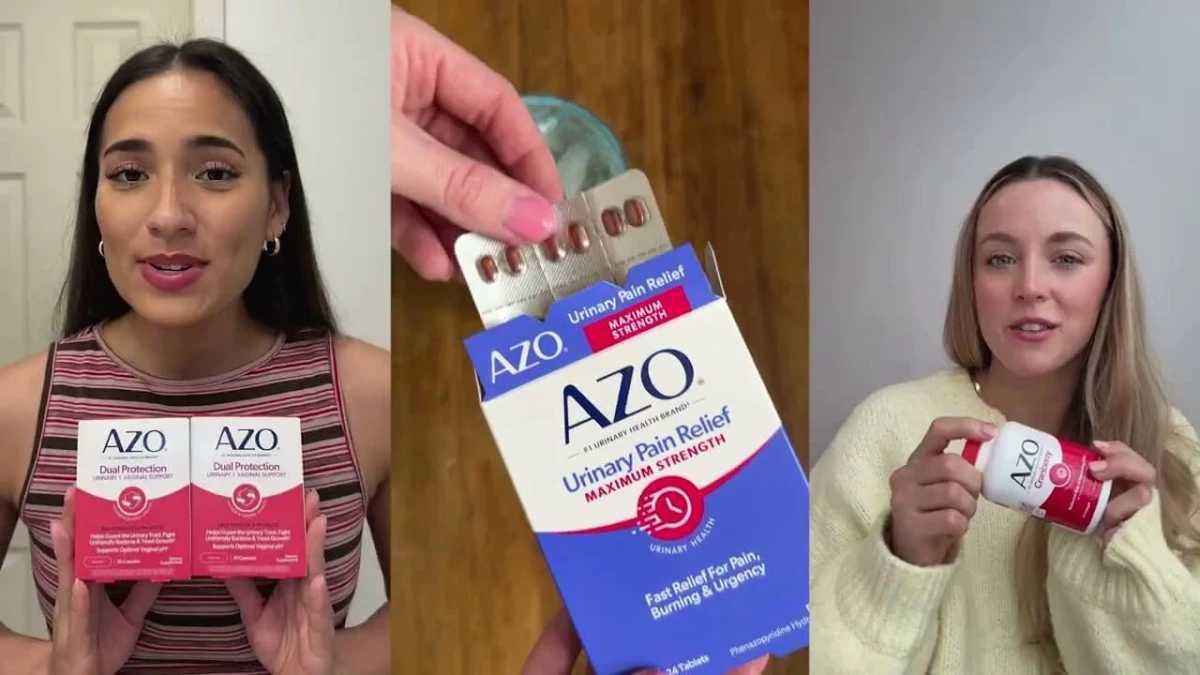

AZO is pushing back against over-branded women's health marketing with a platform focused on practical relief.
Created with Dentsu Creative and dentsu X, "We’ve Been There" launched in May for Women’s Health Month across broadcast, streaming, digital, social, and influencer channels.
The 30-second hero film shows women dealing with UTIs, yeast infections, body changes, and everyday routines with humor and empathy.
AZO uses the brand platform to add prevention, diagnostics, and ongoing care to its established UTI pain relief offering.
The launch also introduces AZO Probiotic Mini-Chews, a daily supplement designed to support bacteria, yeast, and pH balance.
The brand says it has spent more than 30 years in the category and remains the No. 1 doctor-recommended intimate health brand.
Relief as the Main Message
"We’ve Been There" centers on a straightforward promise that women want products that work so they can get back to their day.
Dentsu Creative Chief Strategy Officer Shawna Ross described the category problem as "performative wellness."
The term captures exactly what AZO is reacting to: health brands that prioritize the aesthetic of wellness over the reality of it.
The film moves between polished scenes, vertical video, and creator-style framing that mirrors how these conversations appear in social feeds.
Amanda Hines, chief marketing and innovation Officer at parent company i-Health, said the category has become "competitive and noisy" and sometimes lacks authenticity and efficacy.
Humor lowers discomfort, while clinical proof supports the brand message.
Hines added that AZO wants to be "the adults in the room" as misinformation spreads across social platforms.
Positioning AZO as the reliable, no-nonsense option is a long-term play. It requires consistency, and the brands that stick with it tend to own the category eventually.
A Daily Care Role
AZO's Probiotic Mini-Chews is a first-of-its-kind daily intimate supplement in chew form.
The company developed the format so women would actually use it every day. Most wellness regimens fail because of inconvenience.
"We've Been There" speaks to Gen Z women learning their bodies, millennials managing routines, and older consumers going through hormonal changes.
AZO’s campaign offers three useful takeaways:
- Let efficacy lead sensitive-category creative. Humor can reduce discomfort, but product proof has to carry the promise.
- Use heritage to support new habits. A trusted relief brand can give a new daily product more credibility.
- Design for repeat use. Formats should fit the routines people already have and not create a new one.
The brand is using direct language, clinical proof, and a chewable product to define its place in a crowded market.
Our Take: Can AZO Make Intimate Health Feel Normal?
We think the answer is yes, but the harder question is whether normalization alone sells a daily probiotic.
The campaign is doing real work on stigma.
Plain language and humor in a category that usually speaks in euphemisms or clinical jargon is a meaningful creative choice.
Relief products sell because women need them in a specific moment, while daily supplements sell because women choose them every morning.
These are different purchase decisions, and AZO's 30-year credibility is what makes the jump believable.
A brand that has been in the bathroom cabinet for decades has earned the right to show up on the nightstand, too.
Looking to build health campaigns that handle sensitive topics with clarity? Explore these top healthcare marketing agencies in our directory.