




The Big Takeaways:
- Adobe forecasts U.S. Prime Day sales to hit $23.8B, which is a 28.4% year-over-year increase in online shopping.
- Over 52% of all purchases are expected to come from mobile, driven heavily by impulse buying behavior.
- AI tools and influencer content are emerging as powerful eCommerce marketing growth engines this year.
Make no mistake, Amazon’s Prime Day is now more than just a sale.
It's a full-blown eCommerce moment.
The four-day shopping event running from July 8 to 11 is expected to generate a record-breaking $23.8 billion in U.S. online sales, according to Adobe’s latest forecast.
That's almost equivalent to two Black Friday events in terms of spending.
Amazon’s four-day Prime Day sales event is expected to drive a record $23.8 billion in U.S. e-commerce sales this week, according to a forecast released today by Adobe.
— Forbes (@Forbes) July 7, 2025
Read more: https://t.co/SV2j4lmGKW
(Photo by Dilara Irem Sancar/Anadolu via Getty Images) pic.twitter.com/oJTswIfpLJ
Notably, that figure marks an impressive 28.4% jump over the same period last year.
Prime Day started as a two-day event but now mirrors major holidays in terms of consumer anticipation and retail performance.
Initially a single-day promotion, it now has retailers across the board adjusting pricing and promotions to compete.
To keep shoppers hooked for all four days, Amazon introduced limited-time "deal drops," which are flash sales that rotate throughout the event, only available while supplies last.

The strategy aims to create urgency and repeated visits to the site.
To no surprise, mobile will also be playing a big role as it had in previous eCommerce sales events.
Adobe expects $12.5 billion, or 52.5% of Prime Day’s U.S. sales, to come from smartphones and other mobile devices.
"This continues to be a growth driver for U.S. retailers, with more impulse shopping happening on mobile devices," Adobe initially wrote in its press release.
It's clear that these big numbers may be driven by one behavior in particular: impulse shopping.
What’s on Sale and What's Different
Like any momentous shopping event, discounts will span a wide range of categories.
Apparel is expected to offer the biggest cuts, averaging 24% off, followed by electronics at 22% and televisions at 17%, according to Adobe.
Toys, appliances, and sporting goods round out the rest, with markdowns ranging from 10% to 16%.
Consumers are also treating Prime Day as an opportunity to upgrade.
Adobe’s data suggests shoppers are holding off on large purchases like electronics and smartphones until the event, with sales of high-ticket items projected to increase by 18%.
$AMZN Amazon Prime Day is forecast by Adobe to be a smashing success for online retail in general @jeffmacke@SeekingAlphapic.twitter.com/AbgQVJ2dgq
— Mike Zaccardi, CFA, CMT 🍖 (@MikeZaccardi) July 7, 2025
As suspected, generative AI is expected to quietly reshape how people shop this year.
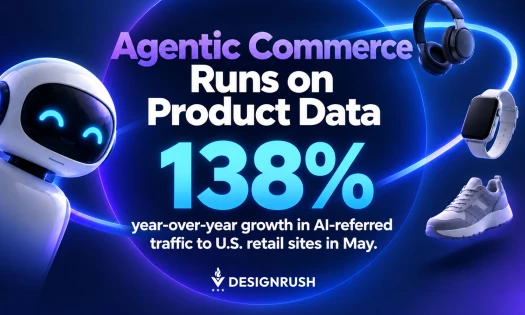
Adobe predicts traffic from AI-driven sources including chatbots and virtual shopping assistants will grow by 3,200% compared to last year.
And while AI still accounts for a smaller share of traffic than channels like paid search or email, its role is growing fast.
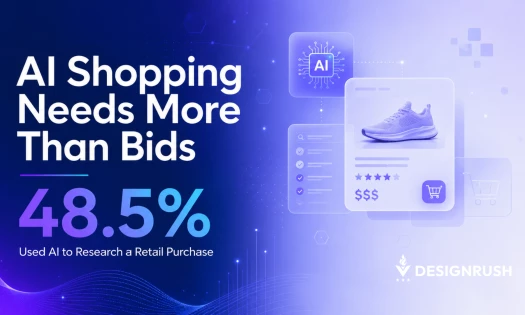
In a recent Adobe survey of 5,000 consumers, 92% of those who had used AI for shopping said it improved their experience.
The most common uses were researching products (55%), finding recommendations (47%), and seeking deals (43%).
Nearly 9 in 10 said they’d turn to AI again for bigger or more complex purchases.
View this post on Instagram
Influencers are also expected to play a bigger role.
Adobe forecasts that affiliate and partner-driven sales will account for 19.9% of total revenue during Prime Day, up 16.6% from last year.
Consumers who view influencer content are 10 times more likely to buy than those exposed to general social media posts.
With all these changes, Prime Day has moved well beyond a one-platform sales event.
Needless to say, it's now a central marker in the calendar for how online retail is evolving.
Our Take: How Is Prime Day Redefining eCommerce Strategy?
I find it fascinating how Prime Day has become a proving ground for shifts in eCommerce marketing.
From mobile impulse buying to AI-driven recommendations, the event now says more about how people shop than when they shop.
View this post on Instagram
If I were a retailer, I wouldn’t just prepare for Prime Day, I’d study it like a playbook.
With every new tech tool or tactic introduced, it is, in my opinion, the best gauge for what’s next in consumer behavior.
Meanwhile, experts recently posted a warning for the rising amount of scams and cyberattacks that come with Prime Day.
Looking to grow your online sales? These agencies help eCommerce brands attract, convert, and retain customers: