
Key Takeaways:
- AI-driven hiring is shifting recruitment from reactive to proactive by predicting candidate success before hiring decisions are made.
- Companies that integrate AI into hiring gain a competitive edge by reducing time-to-hire and ensuring consistent talent quality at scale.
- The future of recruitment will be shaped by AI-driven personalization, where hiring processes adapt dynamically to candidate skills and business needs.
AI is quickly becoming a key player in the hiring process.
According to DemandSage, 58% of companies now use it for candidate sourcing, 56% for screening, and 55% use it to nurture candidates.
It has become instrumental as the hiring market is increasingly competitive, with the demand for top talent outpacing supply — prompting a smarter, faster, and more efficient way to attract and retain the right candidates.
Avdhesh Solanki, the co-founder and CTO of Recooty, a leading AI-powered hiring platform, is at the forefront of this revolution.

Who Is Avdhesh Solanki?
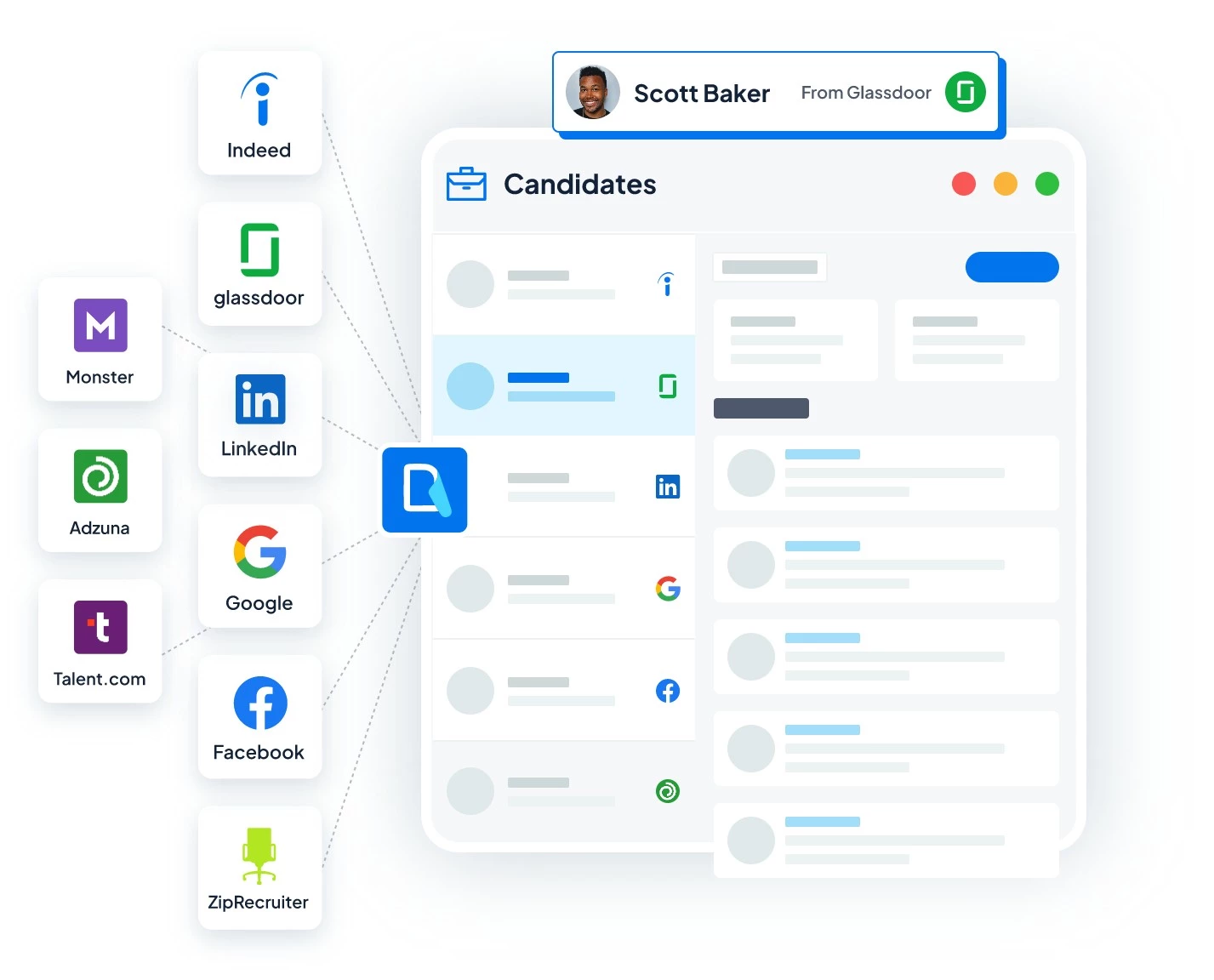
Avdhesh, co-founder and CTO of Recooty, leads the AI-powered hiring platform in transforming recruitment for businesses worldwide. With expertise in technology and product development, he is passionate about leveraging AI to optimize hiring. Under his leadership, Recooty has partnered with top job boards like LinkedIn, Indeed, and ZipRecruiter to simplify hiring workflows.
Traditional recruitment used to mean posting job ads, sifting through resumes, and scheduling interviews — time-consuming tasks that drained resources.
Avdhesh explains how leaders can use AI to simplify that process and make it more efficient:
“AI changes that by automating these processes, allowing recruiters to focus on strategic decisions rather than administrative tasks.”
He points out that one of AI's biggest advantages is its ability to analyze massive amounts of candidate data in seconds — scanning resumes, matching skills to job descriptions, and even predicting candidate success based on past hiring trends.
“This not only reduces hiring time but also ensures companies find the best-fit candidates more accurately than ever before,” he explains.
From Job Posting to Candidate Selection
At Recooty, Avdhesh and his team have built an AI-powered platform that simplifies the entire recruitment process — from posting job ads to selecting the right candidates.
For example, Recooty’s AI optimizes descriptions of job postings for better visibility and engagement to ensure the right candidates see it. It also automatically shares job ads across platforms like Indeed, LinkedIn, Google, and over 100 others.
Once applications start pouring in, the AI system kicks in to screen and rank candidates based on their skills, experience, and relevance.
“For recruiters, this means they no longer have to sift through hundreds of resumes manually. Instead, they get a curated shortlist of top candidates, making the hiring process faster and more precise.
Our system even helps schedule interviews, reducing back-and-forth emails. Essentially, we make recruitment seamless from start to finish.”.
These days, businesses need to rethink their talent mapping as the competition for top talent grows. Avdhesh believes attracting high-quality candidates comes down to focusing on a few key areas:
- Create a strong employer brand: Candidates look for companies with a clear mission, strong culture, and room to grow. Job descriptions should reflect this.
- Streamline your hiring process: Top talent won’t stick around for slow responses. AI-powered tools can help speed up screening and communication.
- Leverage data: AI tracks where the best hires are coming from, allowing you to optimize sourcing channels and attract stronger candidates.
Research shows that today’s candidates aren’t just after a paycheck — they want to work for companies with a clear mission, strong culture, and growth opportunities.
"Creating a workplace that attracts and retains millennial talent means prioritizing flexibility, growth, open communication, work-life balance, and social impact.
— Recooty (@recooty) February 4, 2025
Let's foster an environment where innovation thrives and people feel valued! 🌟#MillennialTalent#SocialImpactpic.twitter.com/yDnscDPbg9
In fact, 66% of candidates say a positive experience played a key role in their decision to accept a job offer. Meanwhile, poor experiences — like lack of communication or unclear job expectations — led 26% of job seekers to turn down offers in 2024 alone.
That is why job descriptions need to reflect these values, so potential hires understand what the company stands for beyond the salary and benefits.
Improving Candidate Screening with Precision and Efficiency
One of AI’s key benefits is its ability to make candidate screening more accurate and efficient.
Rather than depending on manual keyword-matching or subjective judgment, AI uses real data to evaluate candidates.
“AI brings precision to hiring. Instead of relying on keyword-matching or gut feeling, AI uses real data to evaluate candidates. It analyzes resumes, assesses skills, and even predicts cultural fit based on past hiring trends,” Avdhesh says.
On top of that, it reduces bias — including unconscious biases — by evaluating candidates purely based on qualifications and experience.
“This ensures hiring is fair, objective, and focused on the best talent. Efficiency-wise, AI screening slashes time-to-hire by automating the first level of filtering. Instead of weeks, companies can shortlist candidates in hours.”.
But AI is not just about efficiency — it’s also about scalability.
View this post on Instagram
Companies need solutions that grow with their workforce. Avdhesh explains how AI can streamline hiring while helping businesses scale quickly without compromising quality.
“Scaling a business means hiring at speed without compromising quality. AI helps by automating screening, ranking candidates based on skills, and even predicting future hiring needs based on company growth patterns.
It also ensures hiring consistency. When businesses grow quickly, it’s easy to lose track of hiring standards — AI maintains quality by applying the same evaluation criteria every time.”.
Overcoming AI Adoption Challenges in Recruitment
Despite the benefits, switching to AI-driven recruitment can be challenging. Avdhesh points out that the biggest obstacle is managing change:
“Some recruiters worry that AI will replace them, but the reality is that AI is there to assist, not replace.”
Another worry is data quality because AI relies on good data. So, if a company’s hiring history is inconsistent, AI might need more time to learn and improve, he adds.
“Lastly, businesses need to ensure their AI tool is fair and unbiased. A good AI recruitment platform should have transparency in how it makes hiring recommendations.”.
On the bright side, there are some things businesses can look out for when assessing an AI recruitment platform, such as:
- Accuracy and Bias Control: Ensure the AI is trained on diverse datasets to prevent biased hiring decisions.
- Integration Capabilities: The tool should easily integrate with existing HR systems.
- User Experience: A complex AI tool that requires months of training defeats the purpose—simplicity matters.
Conversely, Avdhesh cautions against some red flags:
- Black Box Decision-Making: It’s a problem if the AI doesn’t explain why it shortlisted certain candidates.
- Lack of Customization: AI should adapt to every business’ unique needs, not force a one-size-fits-all approach.
- Overpromising Results: AI improves hiring but doesn’t guarantee “perfect” candidates.
“Any tool claiming otherwise is unrealistic,” he says.
The Future of AI in Recruitment: What’s Next?
The future of AI in recruitment is filled with promise. Avdhesh predicts that AI will only get smarter, with future tools able to forecast a candidate’s long-term performance even before they’re hired.
Another major trend will be AI-driven career pathing, helping employees navigate promotions and internal job moves through automated skill assessments.
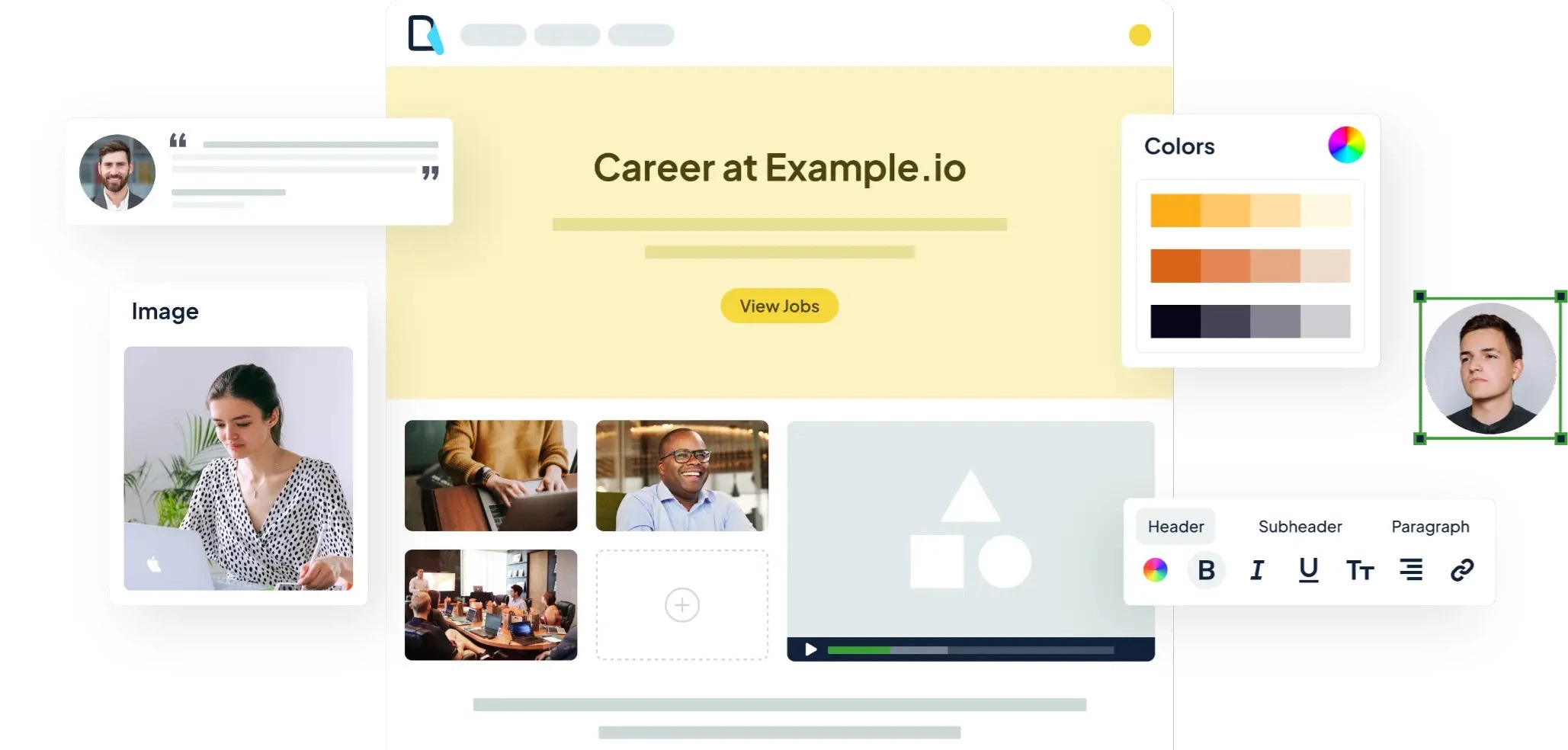
“Personalization will also play a huge role. Future AI hiring tools will tailor candidate experiences, making recruitment more engaging and candidate-centric.”.
“Businesses should start preparing now by embracing AI tools and staying updated on trends. The companies that leverage AI early will have a huge competitive advantage in the years to come.”.
The real question is: Is your company ready to use AI to attract and retain top talent, or will you risk falling behind?