

Our analysts track the weekly developments reshaping AI and how it reaches users. Brands building AI products can partner with vetted AI companies to bring their ideas to life.
Three updates just changed what "control" means for anyone running ads or pitching a deal.
- Meta is removing placement exclusions from ad sets. Value rules cap bid cuts at 90%, so a suppressed placement can still serve.
- Google steers budgeted campaigns to their stated target. A $10 Target CPA delivering at $5 now drifts back toward $10.
- Ipsos finds AI screening vendors first. Seventy percent of U.S. B2B buyers use AI during vendor selection.
Below, we start with what these changes mean for anyone managing ad spend or a vendor pitch, then recap how each one played out.
Our Take: Who Owns Your Ad Budget After You Set It?
Meta and Google both converted a number the advertiser typed months ago into a live spending instruction.
We'd argue that the platform owns your budget the second nobody reopens the account.
Remember that a stale target and a suppressed placement both spend at full speed.
Amazon taught sellers this same lesson a decade ago, and the ones who caught it were auditing their spending weekly.
Ipsos shows the sales side of the same habit, where a product page nobody has updated quietly drops a brand off an AI-built shortlist.
Anyone running media buying as a quarterly setup task is now paying a subscription for their own inattention.
Meta Swaps Placement Exclusions for a 90% Bid Cut
Meta is removing placement, platform, device, and operating system exclusions from ad sets, according to Meta ads expert Jon Loomer.
The replacement is a "value rules" mechanism that adjusts bids on a placement.
Advertisers can increase bids by up to 1,000% or decrease them by up to 90%, per Meta's own documentation.
A suppressed placement keeps a tenth of the original bid, so it can still win impressions and still spend budget.
Only seven placements are eligible for a value rule right now, Audience Network among them.
Everything outside these seven has no lever at all once the checkboxes go.
Meta ads strategist Bram Van der Hallen flagged the same change on LinkedIn on August 25, noting he hadn't seen it in his own accounts yet.
Loomer made the same point in his own reporting, though he framed it as a test for now, scoped to Sales and Leads objectives.
Meta has published no announcement, and its Help Center still describes manual placement selection as an available setting.
An account-level setting still blocks a placement completely.
The path runs Advertising Settings, then Account Controls, then Placement Controls.
Anyone relying on the old ad-set shortcut needs to move this decision up a level or inherit whatever Meta's ad delivery system decides a placement is worth.
Google Pushes Budget-Limited Campaigns Up to Their Targets
Google's Help Center confirms that campaigns limited by budget on Target CPA or Target ROAS now perform more consistently toward the stated target.
The company's own example makes the mechanism explicit.
A campaign with a $10 Target CPA that's been delivering at $5 will move closer to $10, unless the advertiser changes the target first.
The change covers Search, Shopping, Performance Max, Demand Gen, and Travel campaigns.
Demand Gen campaigns running Target CPC are included, too.
Google says it won't automatically adjust targets or budgets, leaving that action to the advertiser.
A Bid Target Adjustment Tool opened on July 6 for anyone who wants to reset a target to recent performance.
The auction mechanism itself doesn't change, only how aggressively a budget-limited campaign chases the number already entered.
A target set months ago, back when performance looked different, is no longer a safe number to leave untouched.
It's a floor that Smart Bidding will now actively fill.
Ipsos Finds AI Now Decides Who Gets a Sales Call
Seventy percent of B2B buyers use AI during vendor selection, according to Ipsos's 2026 B2B Buyer Journey report.
The figure comes from 288 U.S. decision-makers surveyed between May 20 and June 1.
A vendor can now be filtered out before a human on either side enters the conversation.
Vendor research eats more time than any other stage of buying, per 77% of respondents.
Forty-two percent use AI to surface suppliers they'd have otherwise missed.
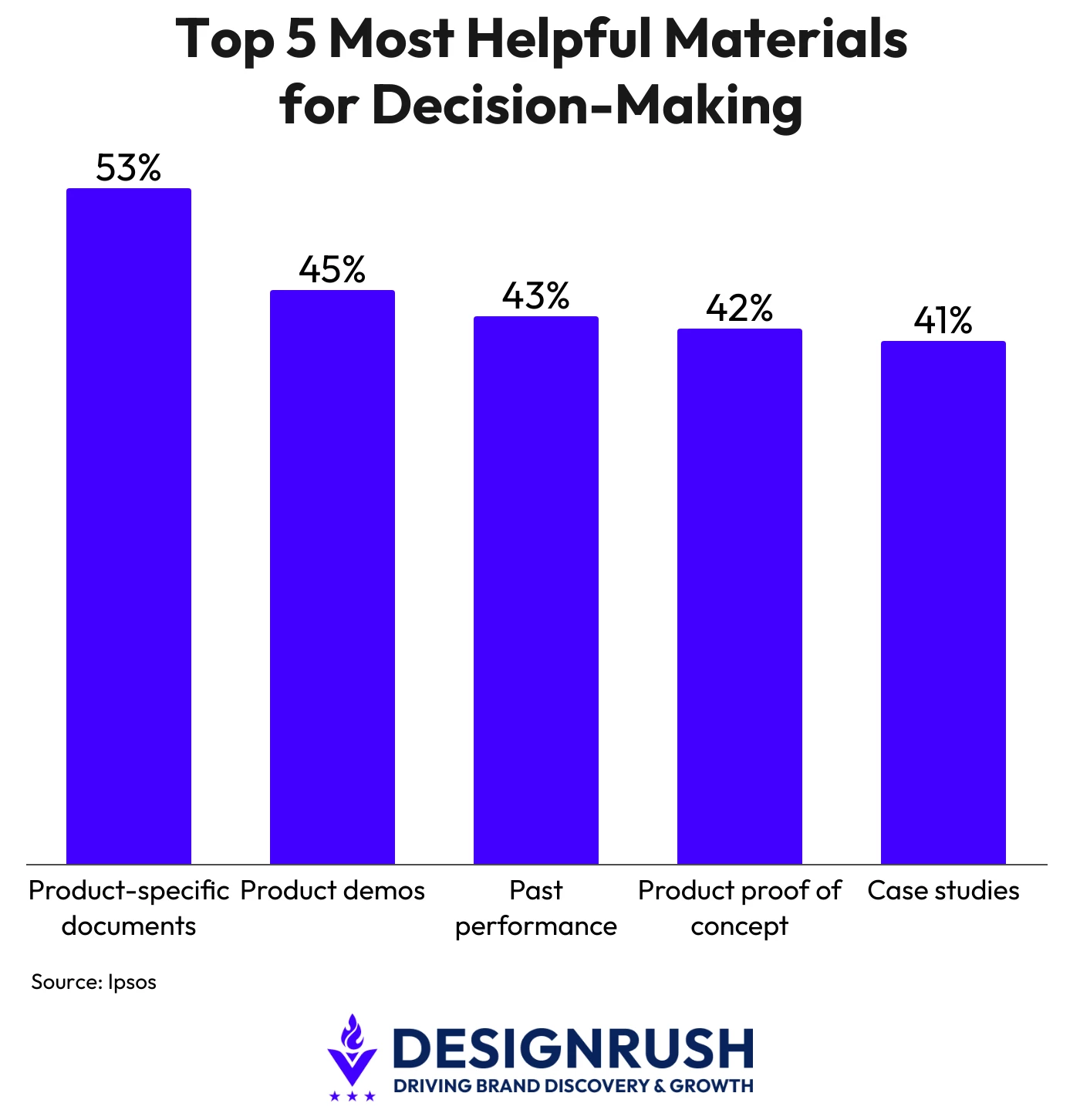
A brand with no AI-legible presence doesn't lose that percentage on merit. It never enters the running.
The same gap shows up after a pitch reaches the buyer.
In fact, 40% of buyers rate an AI product summary as slightly more trustworthy than the vendor's own documentation.
Close to half of the surveyed organizations also run AI checks on proposals before a person reads them.
Product pages and pitch decks written only for a human reader are being graded by a second, harder reader now.
Human buyers still want the same things.
Documentation, demos, and proof of concept remain the most useful materials, while 56% of respondents still put the same value on case studies.
Treating documentation as sales collateral gets a brand through this filter more often.
What This Means for Your Ad Spend
The pattern across both ad platforms points to the same practical problem for anyone managing a media budget.
A manual setting that reads like a hard stop now works as a costly detour.
Control now belongs to whoever watches closely enough to notice when a detour gets expensive.
Three checks worth running this week:
- Audit your hard stops. Any exclusion that genuinely matters belongs at the account level, where platform updates leave it intact.
- Re-date your targets. A number entered under old performance conditions becomes a spending instruction the moment a platform starts taking it literally.
- Read your own pages as a machine would. Clear documentation now competes for a shortlist spot before a salesperson gets involved.
A target drifting upward and a placement getting suppressed both look identical to business as usual, right up until the invoice shows it.
Our previous AI roundup covered the IAB's AI visibility framework, Reddit's spam problem, and Google's new agentic ad tools.
If a platform's default setting now costs money to override, is it still really a setting?
These leading AI companies help brands keep human judgment in the loop as automation takes over more of the decision.