
The first wave of AI customer support focused on reducing workloads and handling more conversations automatically.
However, companies adopting AI agents are finding that automation creates new operational responsibilities around response quality, brand voice, escalation management and ongoing system reviews.
Up to 91% of customer service and support leaders are facing executive pressure to implement AI in 2026, according to Gartner.
But despite around 85% of service and support leaders having expanded human agent responsibilities, only 31% have implemented or plan to implement AI-driven frontline layoffs through the first quarter of 2027.
The question is…why?
Why AI Customer Support Still Needs Human Oversight
While AI agents can handle routine customer requests, businesses still need people to review responses, identify exceptions, and ensure that automated interactions align with customer expectations.
“AI handles volume; we handle the rest,” says Alex Holmes, Head of Growth at Influx.
“Businesses need a support model where AI can manage repetitive conversations while people focus on the moments that require judgment, context, and a deeper understanding of the brand.”
AI management services focus on the operational work behind AI support, including training systems, reviewing outputs, maintaining knowledge sources, managing escalation paths, and monitoring performance.
Influx.com is one company operating in this category through its AI Management service line.
Its model combines AI agents with human support specialists to handle higher-volume conversations while human teams oversee more complex cases and review automated interactions.
When deploying an AI agent, businesses need processes for deciding:
- What information the AI uses
- How responses are evaluated
- When conversations should move to human support
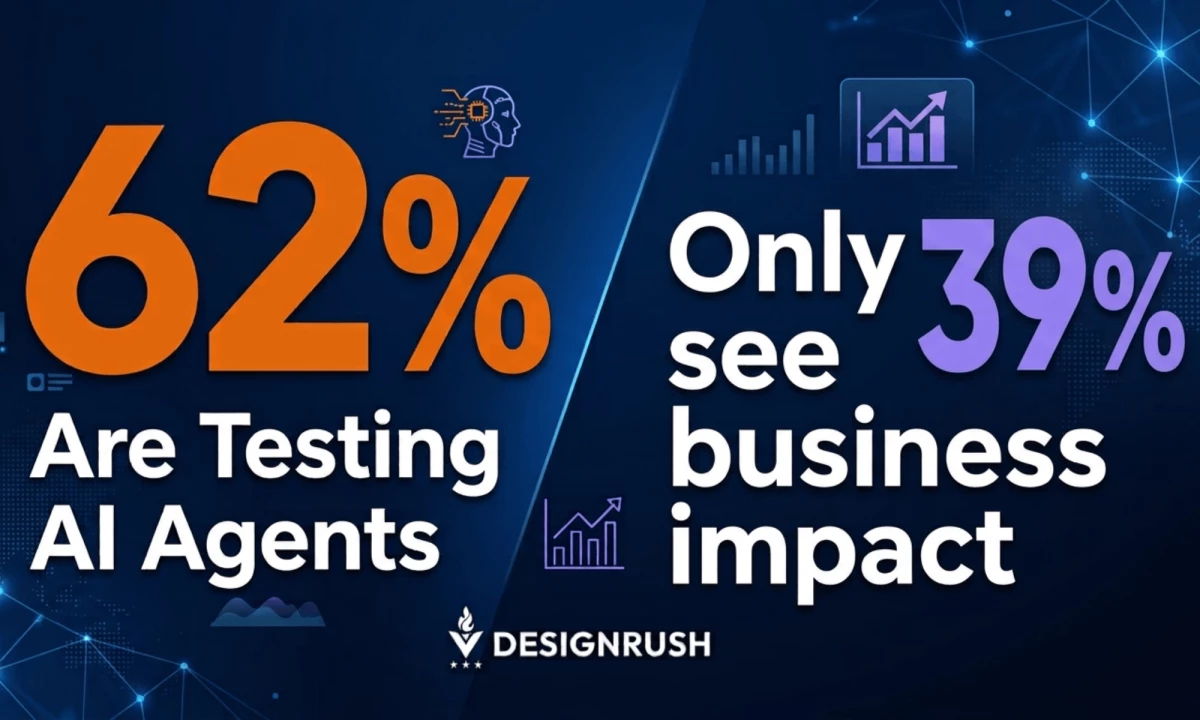
The need for this operational layer comes as 62% of organizations surveyed by McKinsey reported experimenting with AI agents in 2025.
Even so, only 39% reported enterprise-level earnings impact from AI.
“That suggests that deployment alone does not guarantee results,” says Holmes.
This is why companies need ongoing management to determine:
- Where AI performs effectively
- Where human involvement is needed
- How support operations should adapt as customer behavior changes
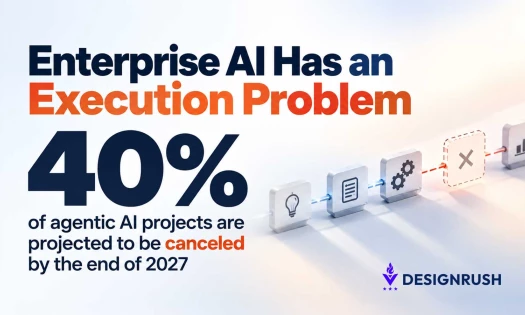
Gartner predicts that 40% of enterprises will demote or remove autonomous AI agents by 2027 because of governance failures.
This creates a need for post-implementation oversight for customer support teams.
How Businesses Manage AI Customer Support After Deployment
AI agents require regular reviews to identify inaccurate responses, update information sources, and maintain consistency across customer interactions.
Influx’s AI Management offering reflects this focus on ongoing operations.
The company’s AI and human support system combines automated responses with human review processes designed to maintain quality control.
Human specialists can evaluate AI performance, adjust workflows, and manage conversations that require additional context.
The company also applies this model through its work with Florence Marine X, a direct-to-consumer performance apparel and equipment brand.
“For Florence Marine X, we built a hybrid model where the AI handles high-volume questions and our human team steps in when a conversation needs more context or judgment.
"We also have an AI Agent Manager continuously review conversations, refine the knowledge base, and tune the agent based on what customers are actually asking,” says Holmes.
Influx continuously reviews performance against the brand’s response-time, accuracy, and inbox-zero targets, making adjustments as customer needs and product information change.

The example reflects the broader direction of AI support adoption.
Companies are not only looking for tools that can answer customer questions.
They are looking for systems that can operate within brand guidelines, provide reliable information, and escalate conversations when automation reaches its limits.
Gartner predicts agentic AI could autonomously resolve 80% of common customer service issues without human intervention by 2029.
“The emerging AI management category reflects a practical reality of AI adoption: customer support automation requires ongoing ownership,” Holmes adds.
Businesses deciding how to introduce AI into their CX operations will need to consider both the technology and the teams responsible for managing it after launch.