
Adidas spent decades defending three stripes.
Now, its latest trademark fight in Australia puts a marketing department's choices at the center of the claim.
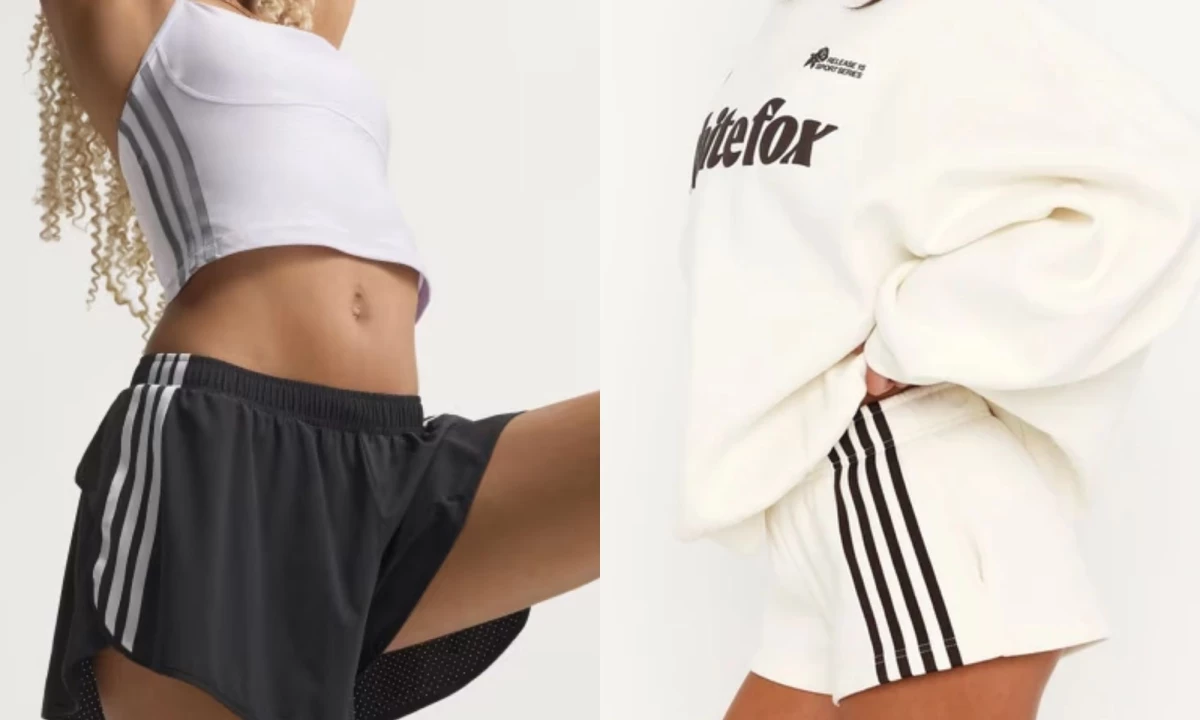
Adidas sued Australian fashion retailer White Fox Boutique in the Federal Court over clothing featuring four parallel stripes.
Court filings point to bus ads and influencer posts that paired the four-stripe pieces with genuine adidas shoes in matching colors.
Adidas alleges the designs infringe its trademark and could mislead shoppers about an association between the companies.
White Fox calls the stripes decorative and is defending the case, with a hearing set for early 2027.
The Australian case arrives as adidas pursues a separate legal challenge involving U.S. designer Thom Browne.
In a September 28 petition to the U.S. Supreme Court, adidas cited internal emails discussing whether Browne's four-bar design could be mistaken for Adidas stripes.
The cases are separate, but both put the limits of trademark protection under scrutiny.
Adidas has to show that an ordinary shopper would link the four stripes back to its own mark.
A 2013 Ruling Sets the Australian Test for 4 Stripes
The White Fox case will test how consumers perceive similar designs.
Adidas says it has used its signature three-stripe mark in Australia for more than 65 years.
In 2013, the Federal Court ruled that three of 12 disputed Pacific Brandsshoe designs infringed the trademark.
The court examined the designs individually, including their appearance and use.
White Fox barrister Ed Heerey KC argued that the 2013 ruling does not extend to clothing, since side markings on shoes already read as branding.
Adidas asked White Fox in March to pull the garments and stop using the design, and White Fox declined.
The Australian retailer's lawyers have also pointed to similar designs sold by Princess Polly, Glassons, and Shein.
Muhammad Abbas, an IP law lecturer at Queensland University of Technology, told ABC that a fourth stripe neither defeats a trademark claim nor proves one.
Benjamin Hopper, who directs IP law studies at the University of Melbourne, also told ABC that a mark earns protection only by setting one trader's goods apart.
"The argument here is that, three-stripe, the clothing is just so simple and just not unique that if other traders wanted to adopt that to brand or distinguish their own clothes, they should be able to because it's just so simple, like a circle or a triangle," Hopper explained.
Comment
by u/BarryTheBinChicken from discussion
in aussie
Courts must assess the impression a consumer would form when comparing the registered mark with the challenged design.
The U.S. dispute has been running since 2021, when adidas sued Thom Browne over its four-bar and striped apparel designs.
A New York jury sided with Thom Browne in January 2023, and an appeals court upheld the verdict in May 2024.
Adidas later discovered emails that it said could have changed the outcome.
In April 2026, the Second Circuit rejected adidas' bid to reopen the case, finding the emails probably would not have changed the verdict.
Adidas filed a new petition in September, arguing that the Supreme Court should reconsider how the law treats evidence withheld during litigation.
The petition remains pending more than five years after adidas first sued.
The Australian ruling will show how far a simple pattern can stretch as a brand identity, which matters for any label whose logo is mostly geometry.
White Fox's Growth Raises the Stakes of Adidas' Lawsuit
White Fox's financial results show why the dispute matters to a fast-growing retailer with a substantial marketing operation.
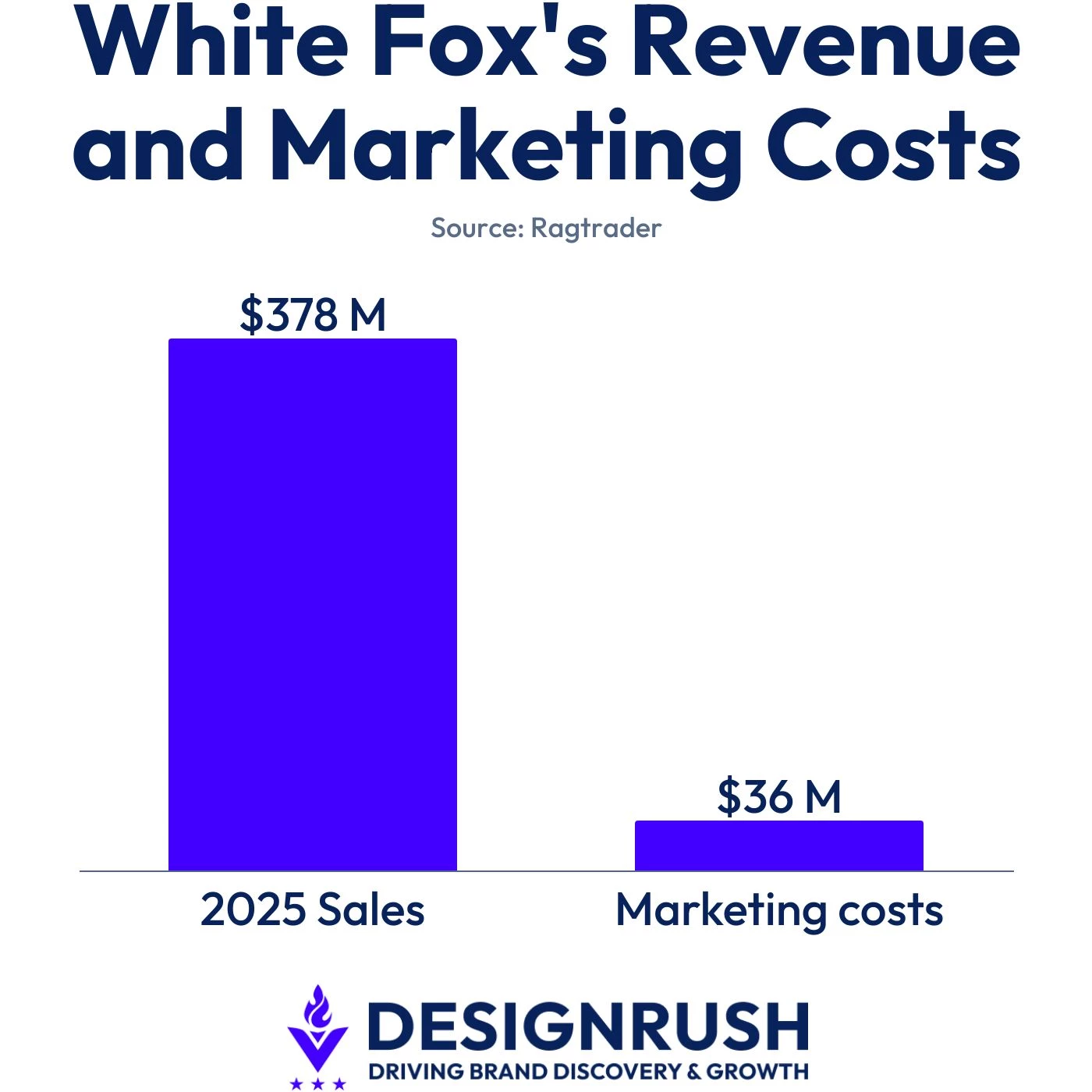
According to its FY2025 accounts, reported by Ragtrader, White Fox generated A$542.5 million in sales, roughly US$378 million, up 21% year over year.
Marketing costs rose by A$20 million to A$52.4 million, which works out to about US$36 million.
These figures set the commercial stakes, and the court will still decide the trademark question on the designs themselves.
Adidas' efforts to protect its brand offer up three lessons for companies:
- Brand recognition can influence purchase decisions. Companies should test how consumers interpret similar visual marks to assess confusion risk.
- Creative choices can become legal evidence. Marketing teams should review product styling and image edits to reduce trademark exposure.
- Growth increases the cost of disputes. Retailers should assess trademark risks across products and ads to limit potential financial and reputational damage.
Any label growing this fast should pressure-test its identity against existing trademarks before ad spend multiplies the exposure.
Our Take: Did White Fox's Ads Raise the Stakes?
Adidas put White Fox's advertisements at the center of its claim, pointing to influencer posts that styled four-stripe shorts with real adidas shoes.
We think that White Fox's marketing gives adidas a commercial context for its allegations.
Pairing four-stripe shorts with real Adidas sneakers in matching colors is a shoot-day styling call, usually made with no lawyer in the room.
The A$52.4 million marketing spend proves nothing about intent, and adidas still has to convince a judge that shoppers were confused.
Comment
by u/BarryTheBinChicken from discussion
in aussie
Thom Browne beat Adidas in New York partly by arguing that the two labels sell to different shoppers at different prices.
The other half of the defense cast adidas as a brand trying to own all stripes.
White Fox can't run either play, since it sells hoodies and track pants to the same teenagers that adidas wants.
Plus, its own ads put adidas shoes as part of one outfit, together with the four stripes.
We think the fix is a strict trademark check at creative approval, before a styling call ends up in a court filing.
This dispute echoes other high-profile brand-copying controversies, where similarities triggered legal action and consumer backlash.
Read more about eight brand copycat scandals and trademark battles, from Nike's dispute with 7-Eleven to Louis Vuitton's case against Molly Tea.
A recognizable identity can become a legal asset as a brand grows.
Explore these top branding agencies to develop a distinctive identity and consistent visual guidelines.