
TRIP's Ad Ban: Key Findings
- Trip’s ad made unapproved health claims about reducing anxiety and stress.
- Statements about cortisol, calming ingredients, and “0g added sugar” breached UK advertising rules.
- The company removed the claims and is reviewing its ads to meet compliance standards.
Quick listen: Why Trip’s banned ad is a warning for wellness marketers, in under 2 minutes.
Calm might sell cans, but it also triggered a crackdown.
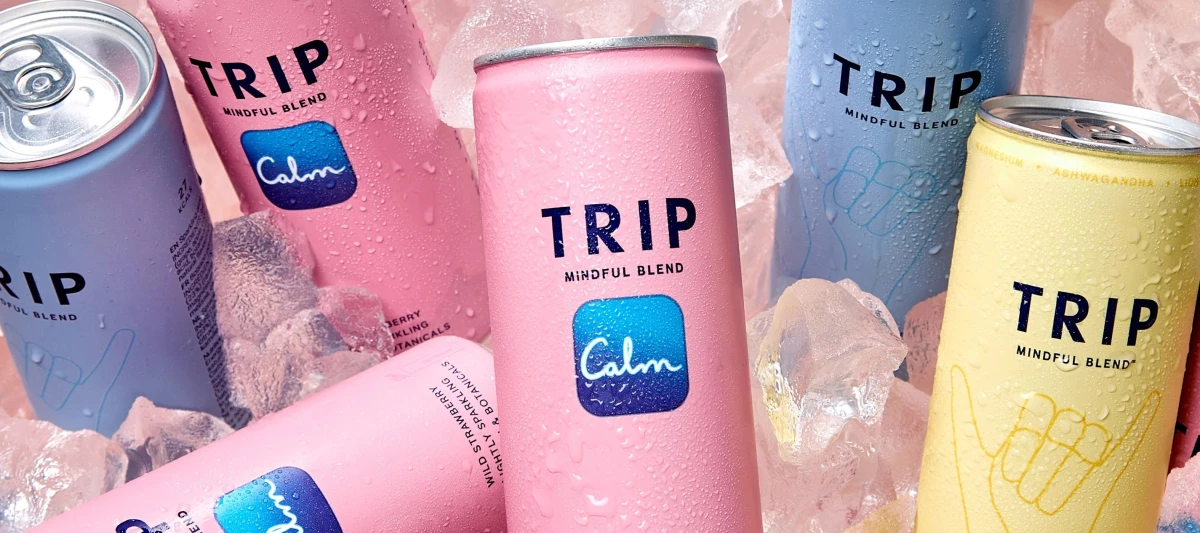
Trip Drinks has withdrawn a promotional ad after the UK’s Advertising Standards Authority (ASA) ruled that it violated rules on health-related advertising.
The campaign described one of its products, flavored with cucumber and mint, as something to ease tension during the day or help relax after work.
Regulators concluded the phrasing implied health benefits that are not approved for marketing food or beverages.
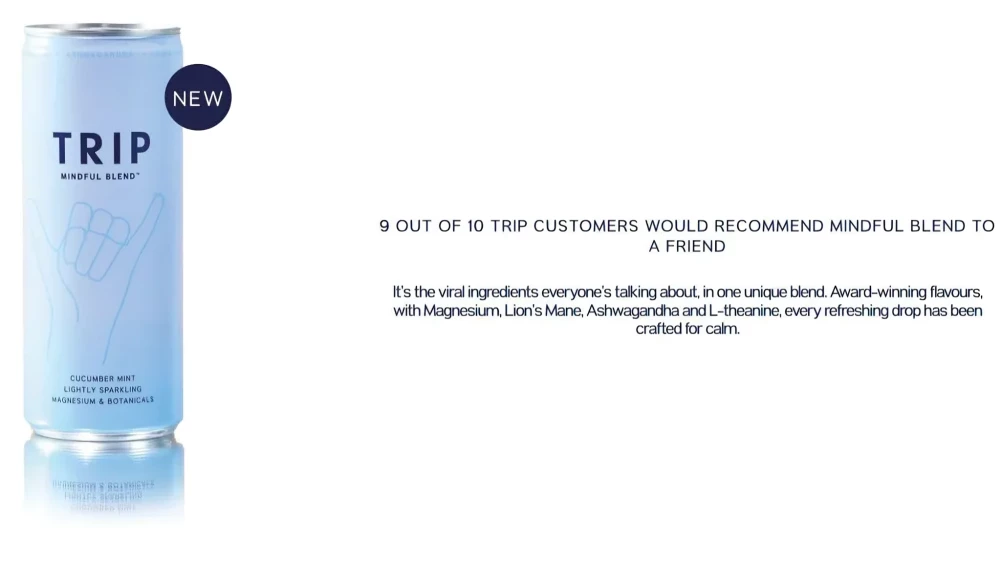
The product featured a mix of ingredients, including magnesium, ashwagandha, lion’s mane, and L-theanine.
The ad suggested these components supported mental calmness and lower stress levels.
The ASA determined that this would likely be seen as a claim that the drink could manage or reduce symptoms related to stress and anxiety, which requires specific authorization and scientific backing under UK law.
The ad also described the drink as having “0g added sugar,” a detail the ASA found misleading due to the presence of naturally occurring sugars.
The ASA ordered the ad removed and warned Trip to follow approved health claim rules moving forward.
"The ad must not appear again in the form complained of.
We told Trip Drinks Ltd t/a TRIP to ensure their ads did not make claims that a food or food supplement could prevent, treat or cure human disease.
We also told them to ensure any nutrition claims complied with the conditions of use associated with the relevant claim on the GB Register, and that they did not use specific health claims that were not authorised on the GB Register."
Functional beverages are one of the fastest-growing segments in the wellness economy, fueled by claims that promise everything from better focus to reduced stress.
But as brands push harder into health-related messaging, the regulatory spotlight is getting brighter.
Chris Gayomali, editor of the men’s health newsletter Heavies and a consultant with the Office of Applied Strategy, explains the category's complexity:
"They exist on the border between wellness and nutrition.
People want less food, lighter food, but also more nutrient-dense food."
He points to the rise of sparkling wellness sodas, highlighting the rapid success of Celsius, the caffeinated beverage brand that secured a $550 million investment from PepsiCo in 2022.
Rules Catch Up to Wellness
Trip has stated it will seek professional guidance to ensure future campaigns align with regulatory requirements, according to the ASA ruling.
Although the company promotes itself as a leader in the CBD drink space, this particular product does not contain CBD, which was not clarified in the original ad.
This ruling adds pressure on wellness-oriented drink brands to scrutinize their messaging.
Comment
byu/topotaul from discussion
inunitedkingdom
As consumers grow more interested in functional ingredients, regulatory bodies are increasing oversight to prevent health claims that go beyond what is legally allowed.
Brands are paying the price for missteps.
The ASA routinely blocks misleading campaigns across industries, including recent fines for telecom companies over hidden price hikes in their contracts.
For wellness and beverage brands, the financial consequences can be severe, not just in legal exposure but in the form of pulled campaigns, lost trust, and damaged positioning.
Major changes are also underway in related sectors.
“We will put people first and prioritise protecting vulnerable people.”
— ASA (@ASA_UK) June 30, 2025
Our new strategy sets out a clear ambition: to better protect those most at risk — including children, older adults and people facing health or financial challenges. Read more: https://t.co/oOP8qhewHppic.twitter.com/I7HlnOw1dK
New UK regulations aimed at limiting advertising for high-fat, salt, and sugar (HFSS) products could strip an estimated £1 billion from media and ad revenues.
While not directly targeting wellness drinks, the heightened regulatory climate is shifting how functional products can be marketed.
Clear, compliant messaging is becoming a competitive advantage in the wellness beverage category.
Brands that can communicate benefits without crossing regulatory lines are more likely to build lasting trust and avoid costly disruptions.
Our Take: Is This Just a Warning or a Wake-Up Call?
I see this less as a one-off reprimand and more as a clear signal to wellness brands.
The rules are tightening, and regulators are catching up faster than marketers can reword claims.
If you're selling products that flirt with medical territory, you'd better invest in legal review as seriously as you do in design and copywriting.
In a category built on trust, misleading health claims are not just risky. They're reckless.
For more on how UK regulators are reshaping brand accountability, see how Nike and Sky were flagged for dark pattern ads in this DesignRush report.
Want better ROI on your digital ad spend?