
Xbox's Project Helix: Key Findings
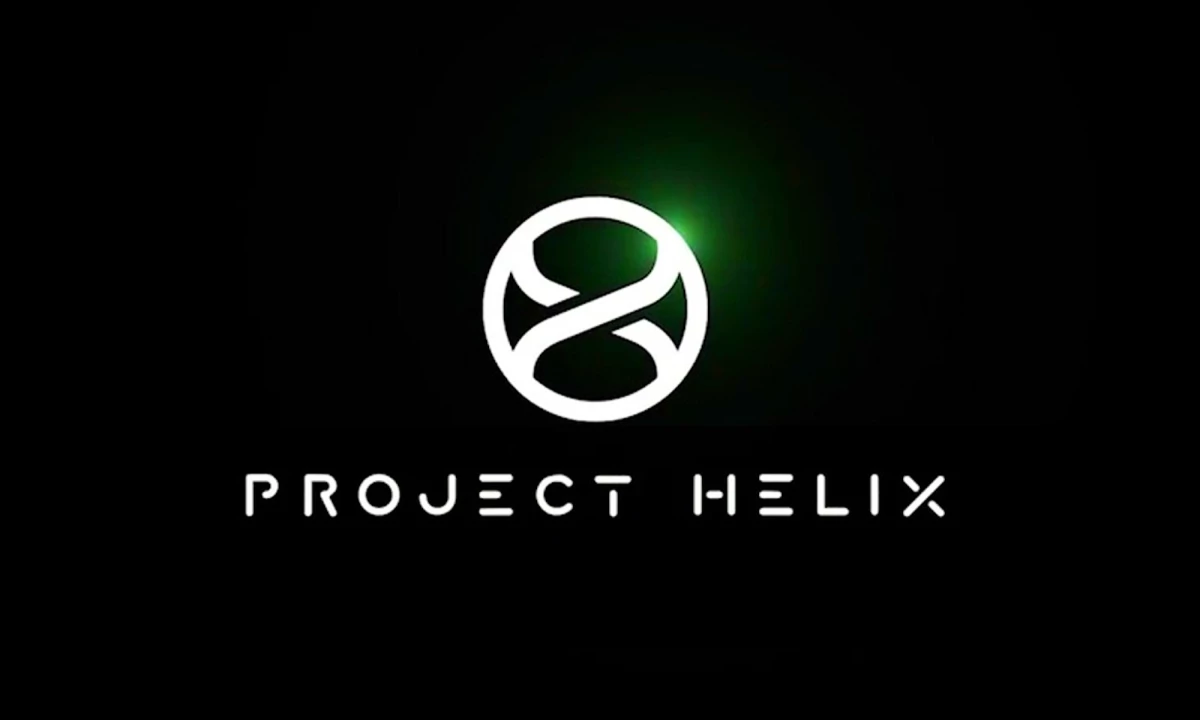
- Microsoft confirmed Project Helix as the codename for its next-generation console, a hybrid device that will play Xbox and PC games.
- Xbox hardware revenue fell 32% year-over-year in its most recent earnings period, with overall gaming revenue down 9%.
- Asha Sharma was named the company’s new CEO, following announcements that Phil Spencer will retire and Sarah Bond will leave.
Microsoft has confirmed it is building a new Xbox gaming console.
The device, codenamed Project Helix, was revealed by new Xbox Gaming CEO Asha Sharma on March 5.
The announcement promised a "next-generation" machine that will "lead in performance" and play both Xbox and PC games.
It is the first official confirmation that a new Xbox console is in development, arriving after hardware revenue fell 32% year-over-year in Microsoft's most recent earnings period.
No specifications, pricing, or release date have been announced yet, and Sharma said more details would come at this week's Game Developers Conference in San Francisco.
The announcement carries symbolic weight for a brand that has spent the past two years repositioning away from console hardware.
And it also arrives under new leadership that's still defining what the new Xbox stands for.
A Brand Built on Hardware Pulls Back Toward It
Xbox launched its first console in 2001, and for more than two decades, its brand identity was built around dedicated hardware, controller design, and platform-exclusive titles.
This foundation held through the Xbox 360, Xbox One, and Xbox Series X/S generations.
Each is defined by a clear hardware proposition and a catalog of games that players could only access on Microsoft's machines.
But this model began to change around 2023.
Microsoft's 2024 "This Is an Xbox" campaign argued that any screen capable of streaming Xbox games, including phones, tablets, and smart TVs, was effectively an Xbox.
The campaign reflected a deeper investment in cloud gaming and Game Pass, but drew internal criticism from Xbox employees.
They felt it downplayed the console during a period when hardware sales were already under pressure.
Microsoft also began releasing formerly exclusive titles on PlayStation and Nintendo Switch.
This move made the company the biggest third-party publisher on both rival platforms in 2025, but gave long-time console owners less reason to stay in the Xbox ecosystem.
Sharma's Project Helix announcement is the clearest signal yet that Microsoft wants to recenter the brand on hardware, even as the "play anywhere" strategy remains part of the pitch.
The Numbers Behind the Announcement
The context around Project Helix may be difficult for many to understand.
Xbox hardware revenue has declined for three consecutive years, with the most recent quarter showing a 32% drop year-over-year.
Overall gaming revenue fell 9%, and content and services revenue, which includes Game Pass, declined 5%.
Microsoft attributed the shortfall to a weaker first-party release slate compared to the prior year.
Game Pass, once described as the best deal in gaming when it launched in 2017, has faced its own headwinds.
Microsoft also raised its subscription prices in October 2025, compounding pressure on a consumer base already facing higher hardware costs.
The Xbox Series S, the brand's entry-level console, now carries a price point that analysts have noted is no longer competitive against Sony's equivalent offering.
Production questions also hang over Project Helix.
Component shortages driven by AI data center demand for RAM and storage have complicated hardware manufacturing timelines across the industry.
Analysts have speculated that Project Helix may only arrive by 2027 at the earliest, and Microsoft has also not confirmed a release window.
Project Helix offers a few clear considerations for brands watching how Microsoft handles this moment:
- A hardware announcement can stabilize a brand before the product exists: Confirming Project Helix switches the conversation from declining sales to future momentum.
- New leadership creates room to reset the narrative: Sharma's framing signals a tonal change that is in line with what the brand is best known for.
- Platform expansion and hardware identity can pull in opposite directions: Publishing on rival consoles expanded Xbox's reach while also giving hardware buyers less reason to stay.
The announcement resets expectations, but the harder work begins when the specs, price, and release window arrive.
Our Take: Is the Hardware Bet the Right One?
We think that Project Helix is as much a brand positioning move as it is a product announcement, and Microsoft knows it.
Sharma's language about a "return of Xbox" is deliberate, aimed at an audience of fans and developers who have spent years wondering whether the platform still had a hardware future.
The problem is that a codename and a promise of performance leadership don't resolve the structural questions the brand has been carrying.
Xbox's identity eroded gradually, through layoffs, studio closures, price hikes, and a campaign that told players any screen was good enough.
Project Helix has to do more than this, and give people a reason to buy it over a PlayStation, a gaming PC, or nothing at all.
Brands navigating platform expansion and hardware identity need agencies that understand how to hold a consistent brand position across multiple product strategies.
Explore the top branding agencies in our directory.