
Microsoft’s 'This Is an Xbox' Campaign: Key Findings
- The 2024 campaign positioned any streaming screen as an Xbox, accelerating the company’s shift toward a service-led identity.
- Internal backlash shows tension between Xbox’s console-first heritage and messaging that appeared to sideline dedicated hardware during a soft sales cycle.
- Leadership exits by Phil Spencer and Sarah Bond have reopened debate over whether the platform’s future centers on devices or distribution.
Microsoft’s 2024 "This Is an Xbox" campaign has recently drawn renewed criticism.
A report from The Verge claims the initiative "angered many Xbox employees internally," despite being designed to showcase flexibility and cross-device play.
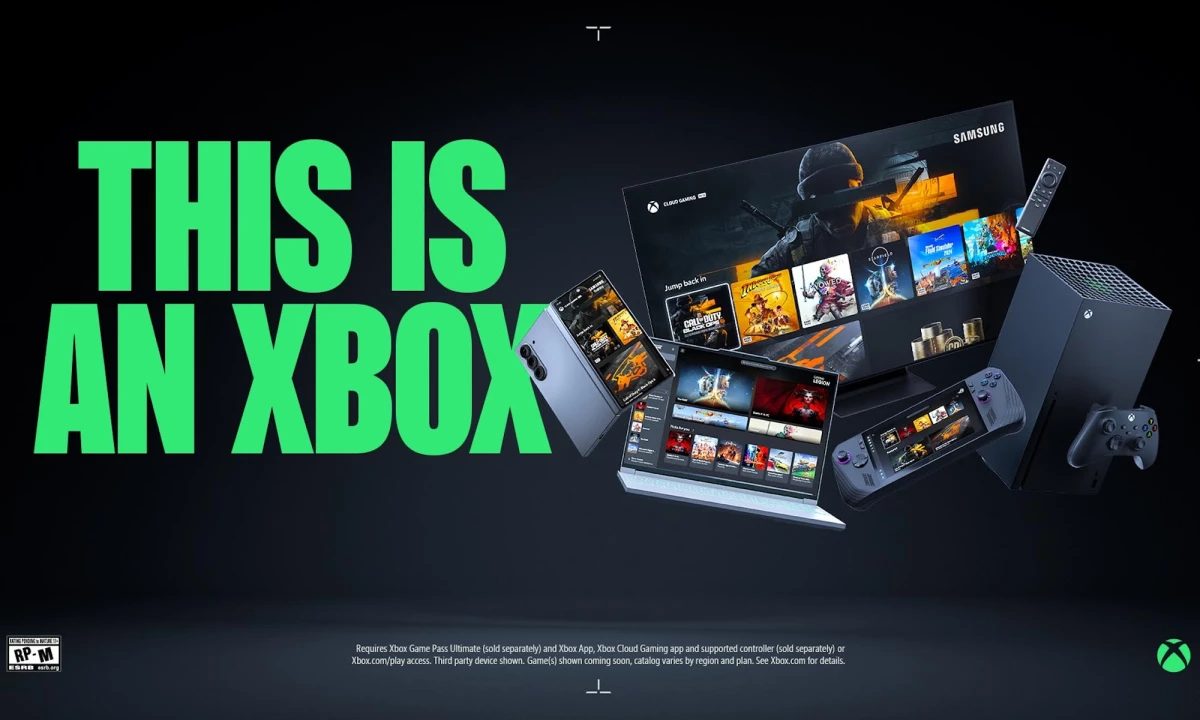
The creative message suggested that if you could stream Xbox games on your phone, tablet, Samsung Smart TV, or Amazon Fire TV Stick, that screen counted as an Xbox.
However, this framing ultimately took attention away from dedicated hardware like the Xbox Series X and Xbox Series S.
For a brand that's best known for its physical consoles, this repositioning carried symbolic weight as Microsoft was expanding Xbox title distribution across more platforms.
Now, following leadership changes that include former Xbox head Phil Spencer’s retirement and former president Sarah Bond’s departure, the strategy behind that messaging is being reexamined.
A Brand Built on Hardware Expands Its Definition
"This Is an Xbox" centered on a clear proposition that access matters more than device.
The campaign reflected Microsoft’s deeper investment in cloud gaming and subscription services, promoting Xbox as a service that was accessible across multiple devices.
That direction echoed Bond’s broader multi-device ambitions, including the introduction of an Xbox mobile gaming store in mid-2024.
However, Xbox’s brand identity has historically revolved around hardware.
Console launches, controller innovation, and retail presence have shaped its brand positioning for more than two decades.
As a result, de-emphasizing hardware in marketing language created internal tension.
According to The Verge’s reporting, some employees felt the campaign downplayed the console during a period when hardware sales were already under pressure.
For brand leaders, this also highlights how messaging pivots can resonate differently inside an organization than they do in the marketplace.
Leadership Change Adds Strategic Context
The campaign’s renewed attention arrives in the midst of a significant executive transition.
Following Phil Spencer’s retirement on February 23, Sarah Bond stepped down from her role on the same day.
Microsoft then confirmed that Asha Sharma, previously an executive in its CoreAI division, would assume the role of Xbox Gaming CEO.
In a message shared after the leadership announcement, Sharma referenced the "return of Xbox" and emphasized games "crafted by humans."
Some observers have interpreted this language to mean that Xbox is renewing its focus on creative identity.
Original Xbox co-founder Seamus Blackley has also publicly speculated that Microsoft could eventually sunset its gaming business as AI becomes a larger corporate priority.
However, Microsoft has not confirmed any such plans.
This case shows how leadership transitions can prompt both internal and external stakeholders to reinterpret past strategic decisions.
Xbox's latest controversy highlights larger considerations for brands looking to expand outside of their original product category:
- Brand stretch must protect core equity: Expanding access can unlock growth, but messaging should continue reinforcing the product that built long-term loyalty.
- Internal alignment carries reputational weight: When employees question a brand's stance, that friction can surface externally and complicate positioning.
- Executive change invites reassessment: New leadership often reframes prior initiatives, whether intentionally or through tonal shifts in communication.
When a brand broadens its own definition, clarity becomes critical.
Our Take: Can Expansion Dilute Identity?
I think that at its core, this story is about definition.
Xbox has built its credibility through hardware cycles, exclusive titles, and a strong console community.
Expanding its distribution across devices can strengthen reach and recurring revenue, but brand identity still needs to have a stable center.
When messaging evolves faster than internal culture, friction follows.
I think the big question for Microsoft now is how clearly it articulates what Xbox stands for under its new leadership.
Also, I can't help but wonder how "Xbox everywhere" can coexist with a hardware legacy that still defines its brand equity.
Brands navigating platform expansion and identity recalibration can explore the top branding agencies in our directory.