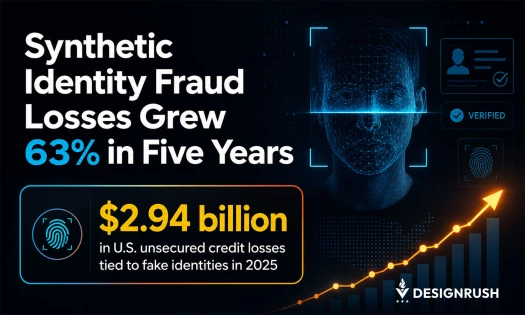

WPP CEO Mark Read recently fell victim to a deepfake scam, with perpetrators attempting to defraud the advertising executive using sophisticated tactics involving AI-generated voice cloning and manipulated video footage.
In an email to company leadership obtained by The Guardian, Read recounted the elaborate scheme, cautioning employees to remain vigilant against such fraudulent attempts.
The scam involved impersonating the CEO through a fake WhatsApp account and orchestrating a virtual meeting via Microsoft Teams.
The imposters utilized a voice clone and pre-recorded YouTube footage to further deceive participants in hopes of soliciting money and obtaining personal details from agency leaders.
No Dent Left
Fortunately, WPP confirmed that the scam was unsuccessful, and the company's swift action, paired with the awareness of their executives, prevented any financial or reputational damage.
"We all need to be vigilant to the techniques that go beyond emails to take advantage of virtual meetings, AI and deepfakes," Read wrote in his email.
WPP, a publicly traded company with an $11.3 billion market cap, acknowledged the prevalence of fraudulent activities misusing its agency name.
"We have seen increasing sophistication in the cyber-attacks on our colleagues, and those targeted at senior leaders in particular," Read stated.
The advertising giant emphasized its collaboration with relevant authorities to combat such instances of fraud.
In response to the incident, Read outlined key indicators to help employees identify potential scams, including requests for sensitive information or involvement in a "secret acquisition, transaction or payment that no one else knows about."
He emphasized the importance of skepticism, urging caution even in communications seemingly originating from trusted sources.
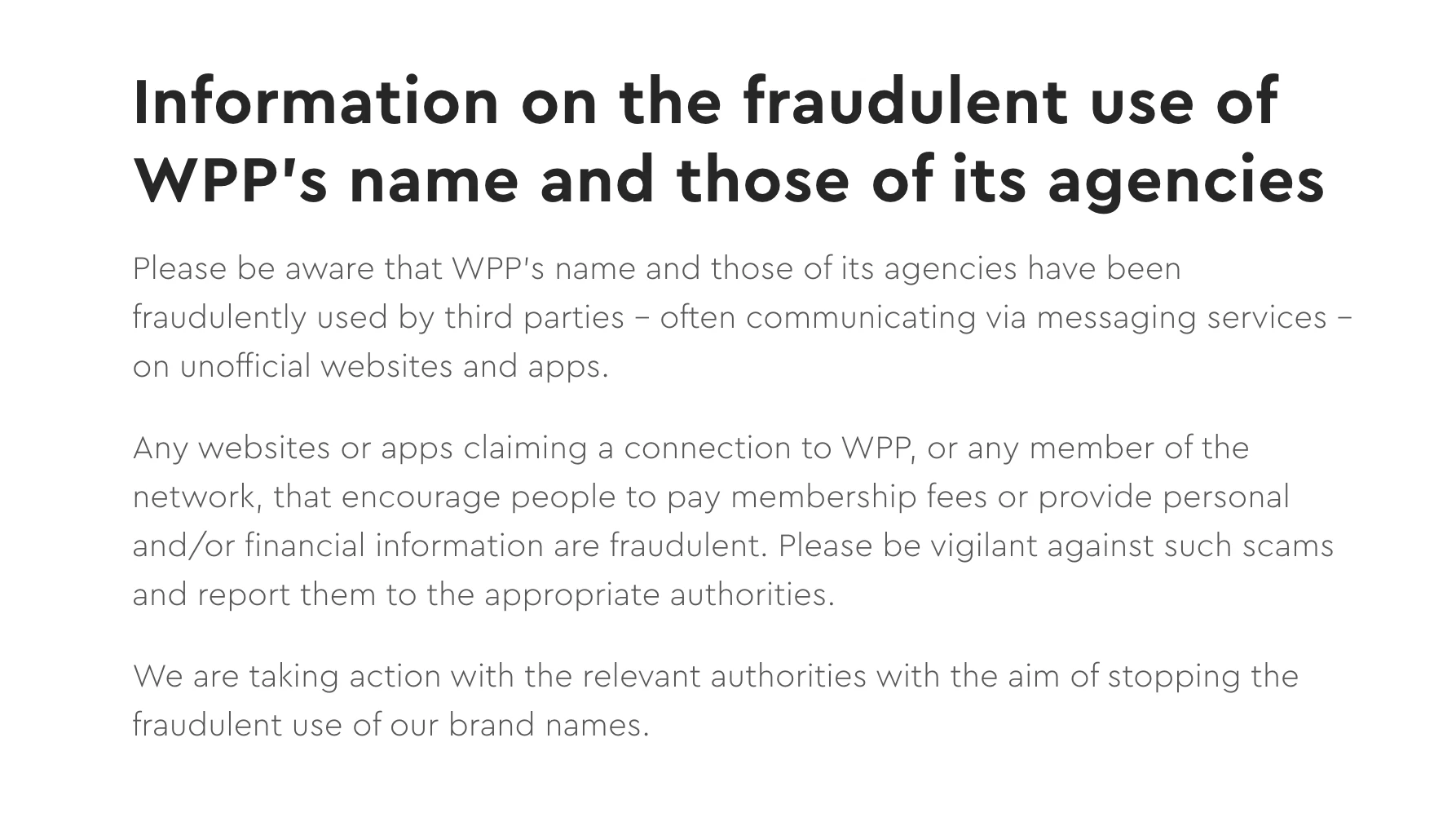
"Please be aware that WPP’s name and those of its agencies have been fraudulently used by third parties — often communicating via messaging services — on unofficial websites and apps," the company’s contact page wrote.
Meanwhile, the incident highlights why businesses are increasingly turning to cybersecurity firms to help defend against AI-driven fraud and deepfake scams.
READ NEXT: Google Says 'No Way' to Deepfake Ads
Editing by Katherine 'Makkie' Maclang