
Key Takeaways:
- Corporate Black History Month campaigns saw a decline in 2025, as brands scaled back amid political shifts, regulatory pressures, market polarization, and a general fear of backlash.
- Authenticity is key to avoiding backlash, with brands like Apple, Gap, and Pinterest integrating Black History Month efforts into their core business identity.
- Silence may feel safer, but brands that engage meaningfully and consistently can build lasting consumer trust and credibility.
This year, Black History Month seemingly saw a sharp decline in high-profile brand campaigns.
Compared to previous years, when major corporations released elaborate ads, launched exclusive product lines or pledged substantial donations, 2025 has been noticeably quieter.
While some brands like Apple, Gap, and Pinterest continued their initiatives, the broader trend suggests a shift away from large-scale corporate participation.'
The decline raises a critical question: Why are brands scaling back?
A key factor is the evolving political and social climate.
Under President Trump’s administration, executive actions and policies were introduced that have reshaped corporate priorities and risk assessments.
With rising anti-DEI sentiments, regulatory pressures, and heightened public scrutiny, many companies appear to be reassessing their approach to Black History Month marketing.
When Politics and Branding Collide
Corporate engagement with Black History Month has evolved dramatically over the years.
What started as modest acknowledgments turned into full-scale marketing movements, with brands using the month as both a social responsibility play and a business opportunity.
Furthermore, the rise of DEI initiatives made these campaigns more sophisticated, leading to limited-edition product lines, dedicated grants, and high-profile storytelling efforts.
But as corporate activism grew, so did the backlash.
Discrimination on the basis of race, which DEI does, is literally the definition of racism
— Elon Musk (@elonmusk) January 3, 2024
Some brands were called out for performative allyship, while others got tangled in the ever-growing culture wars.
And in today’s hyper-politicized environment, even a well-intentioned campaign can put a brand in the crosshairs.
Other factors impacting corporate decisions include:
1. Regulatory Uncertainty and Policy Shifts
New executive orders have intensified scrutiny on DEI programs, particularly in industries with government ties.
Companies that rely on federal contracts or operate in heavily regulated sectors like finance, healthcare, and media are reevaluating their public stance to avoid regulatory hurdles.
2. Changing Economics of DEI Initiatives
Over the past decade, many brands bet on DEI as a long-term growth strategy, expanding initiatives across hiring, marketing, and internal culture.
However, as investor pressure to show bottom-line results increases, some are scaling back efforts that don’t yield immediate ROI.
Target’s recent DEI restructuring and Disney’s content recalibration reflect this approach.
3. Consumer Sentiment and Market Polarization
Cultural campaigns once helped brands strengthen loyalty, but the risk of alienating one side of the consumer base has never been higher.
Brands now operate in an environment where boycotts and backlash can shift stock prices, impact quarterly earnings, and affect leadership stability.
Google Calendar has removed key cultural events from their site including:
— Pop Base (@PopBase) February 10, 2025
• Pride Month
• Black History Month
• Holocaust Remembrance Day
• Jewish Heritage
• Hispanic Heritage
• Indigenous People Month pic.twitter.com/I5bpuWkVPy
Even a subtle move — like Google quietly removing Black History Month from its public calendar — illustrates how companies are adjusting to this new reality.
Unfortunately, these have forced many businesses to reevaluate whether the risks outweigh the rewards when it comes to celebrating Black History Month.
Who’s Still Investing in Cultural Marketing?
While many brands are opting for a lower profile, some have found ways to maintain their presence without igniting controversy.
The difference? They’re embedding cultural engagement into their long-term strategy, rather than treating it as a one-off marketing play.
1. Gap and Harlem’s Fashion Row Collaboration
Gap moved beyond conventional advertising by spotlighting Black designers and models in a dedicated fashion event.
Instead of relying on traditional ad campaigns, Gap positioned Black designers and models at the forefront, seamlessly integrating the initiative into its brand DNA.
This approach not only aligned with its brand identity but also strengthened its position in the industry.
This makes the initiative feel like a natural extension of its business rather than a fleeting PR effort.
The result? A business-driven approach that enhanced its relevance in the fashion industry without making it feel like a seasonal PR move.
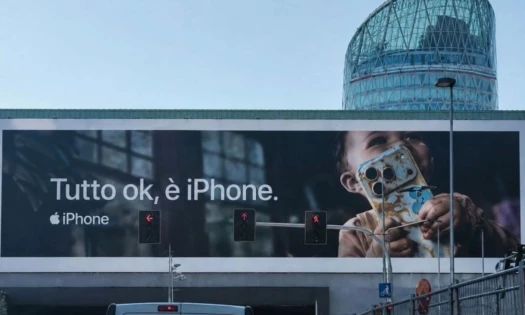
2. Apple’s Black Unity Collection
Apple has set itself apart by making its Black History Month initiative an annual tradition rather than a one-off campaign.
Unlike brands that enter and exit conversations based on public sentiment, the tech giant has maintained a consistent commitment to Black History Month through its annual Black Unity Collection.

By treating it as an ongoing product initiative rather than a reactive campaign, Apple has been able to sidestep criticism while reinforcing long-term brand equity.
3. Pinterest’s “Tailored” Campaign
The campaign paid tribute to the impact of Black fashion creators on the broader fashion industry.
"Tailored" also focused on highlighting influential Black-owned brands for people to discover in the app.
Instead of centering its own messaging, Pinterest elevated Black creators and their influence on fashion and lifestyle trends.
By shifting the focus to user-driven content, the platform avoided performative branding while simultaneously driving engagement and increasing time spent on the app — key metrics for its long-term growth.
Black History Month Isn’t Just a Hashtag
If cultural marketing is evolving, how should brands adapt?
The lesson from 2025 is clear: playing it safe isn’t the same as playing it smart.
Companies that want to maintain relevance while navigating political and economic headwinds need to rethink their approach:
- One-off initiatives are becoming liabilities, with consumers and stakeholders increasingly scrutinizing brands for authenticity. Companies that integrate long-term strategies — whether through product innovation, supply chain diversity, or sustained brand partnerships — are better equipped to navigate market shifts and maintain credibility.
- Authentic engagement is more effective than top-down messaging. Brands that amplify voices from within their target communities build stronger trust and avoid the pitfalls of performative marketing.
- Conducting risk assessments before activations will be key. Companies should conduct thorough scenario planning to anticipate potential regulatory, investor, and consumer responses before launching high-profile initiatives.
Black History Month isn’t disappearing — but the way brands engage with it is.
In today’s climate, silence might feel safer, but authenticity will always have a louder impact.