

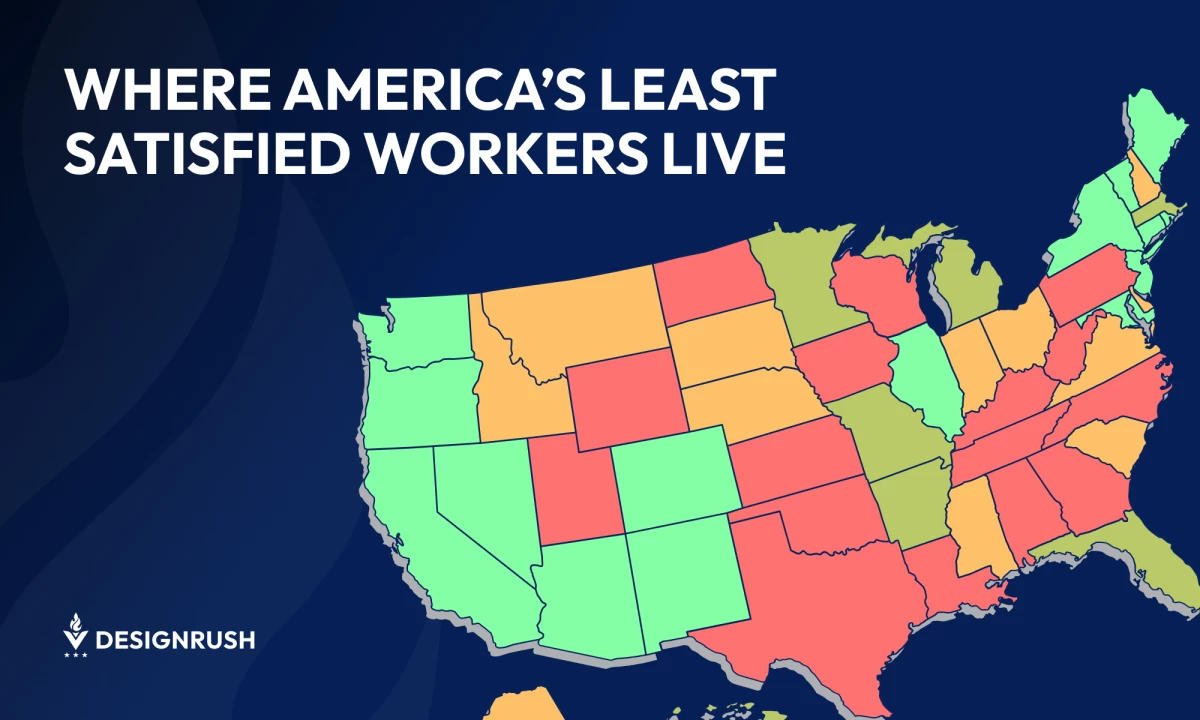

As the American workforce evolves, the disparities in worker satisfaction have never been more apparent.
Many states have made strides to improve wages amid ongoing discussions about fair pay.
The federal minimum wage still stands at $7.25 per hour, but 26 states are set to increase this threshold in 2025, underscoring the critical role of state-level labor policies in driving worker satisfaction.
Despite this, many states' paid time off (PTO), healthcare affordability, and other benefits lag, leaving employees struggling to balance work and personal life.
Minimum Wage Rising in 26 States, 71 Cities and Counties pic.twitter.com/iOW3VQPnq8
— NTD Television (@TelevisionNTD) December 13, 2024
A new DesignRush study ranks all 50 states on key metrics, exposing significant gaps in the bottom five: Wyoming, Louisiana, Texas, Pennsylvania, and North Carolina.
The ranking of states was based on a comprehensive satisfaction score, which incorporated four essential metrics:
- Wage Disparity: The percentage difference between minimum and average wages in each state.
- Paid Time Off (PTO): The availability of PTO policies.
- Healthcare Costs: The percentage of wages spent on health insurance.
- Weekly Hours Worked: The average number of hours worked per week by employees.
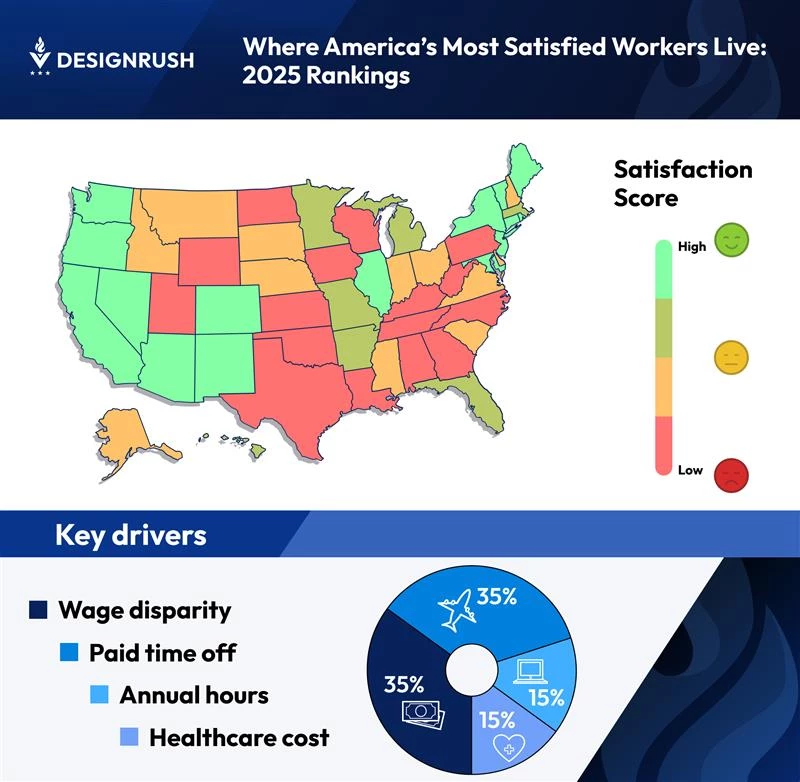
These states illustrate the pressing need for labor reforms as workers face mounting challenges in pay, benefits, and overall quality of life.
Gianluca Ferruggia, General Manager at DesignRush, weighs in on the current labor trends and challenges:
"For businesses, fighting against fair compensation and benefits isn’t just a poor look — it’s a short-sighted strategy. If you want a profitable business in the long run, you need a happy and engaged workforce. Your employees are your most valuable asset, and their basic rights must be respected.
Agreeing to fair terms and ensuring they’re satisfied isn’t just ethical; it’s critical to maintaining a motivated and productive team that drives success.”
Executives in human resource management need to take worker satisfaction seriously, as having happy workers leads to improved workplace morale, higher quality of work, and increased productivity, contributing significantly to overall business growth.
Businesses can also save on costs and increase profitability in terms of lower absenteeism, reduced turnover, and fewer employee conflicts that take time and money to resolve.
The Five States Where Workers Are Least Satisfied
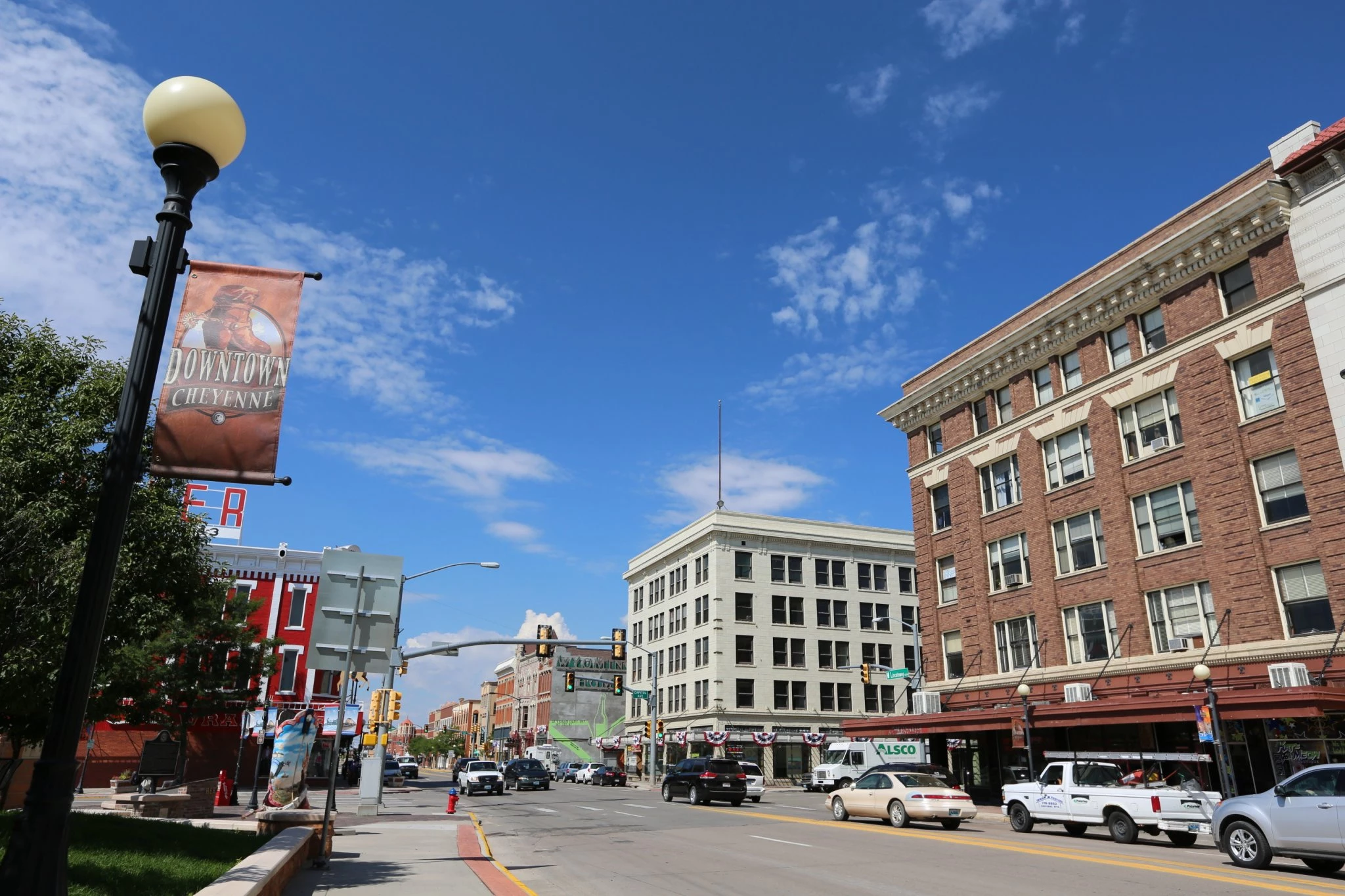
1. Wyoming
- Score: 54.59
- Minimum wage: $15,080
- Average wage: $54,440
- Wage disparity: 27.70%
Wyoming burdens its workers with the highest healthcare cost percentage in the nation (18.47% of wages) and lengthy workweeks averaging 42.3 hours. Despite these challenges, the state’s minimum wage remains at $7.25 per hour. Minimal PTO policies further exacerbate employee dissatisfaction.
2. Louisiana
- Score: 56.27
- Minimum wage: $15,080
- Average wage: $50,940
- Wage disparity: 29.60%
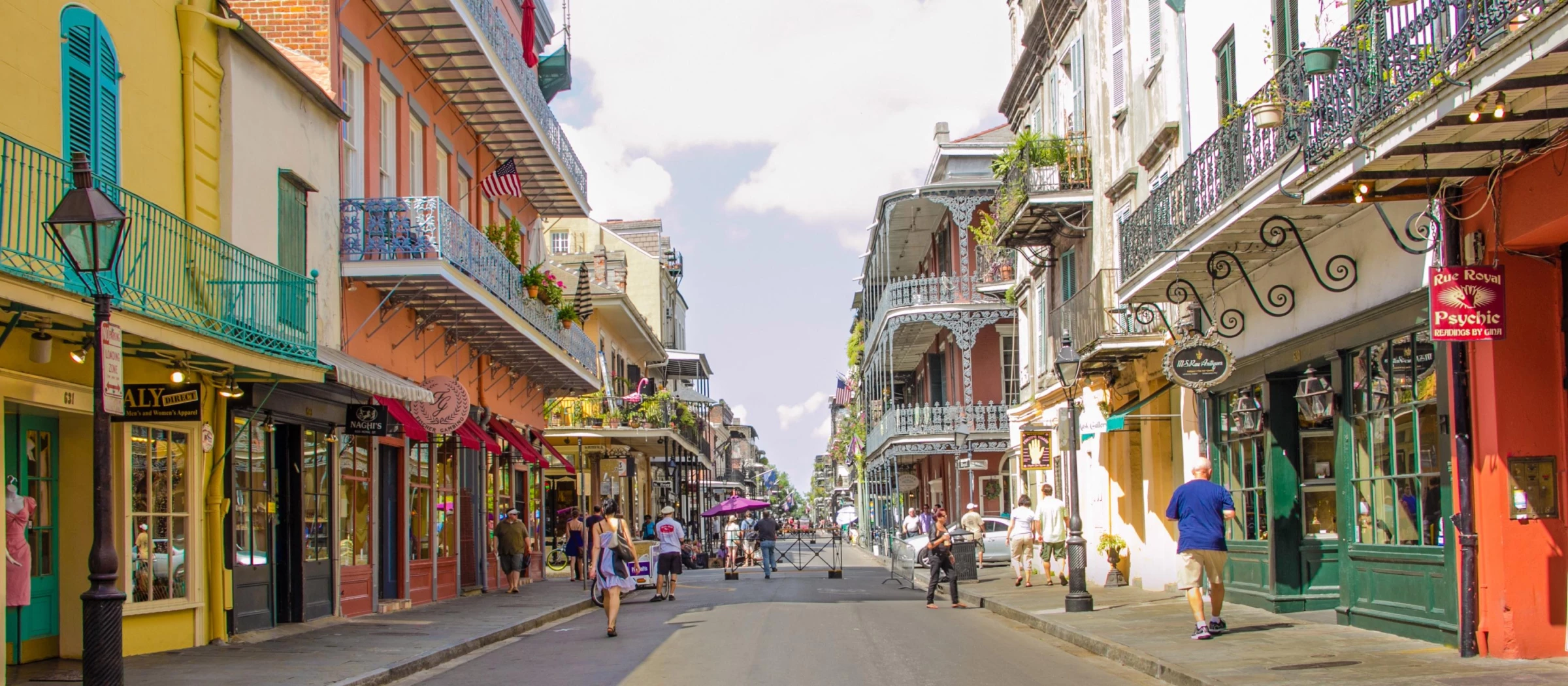
Louisiana takes the 49th spot with workers facing similar struggles. The state offers no mandated PTO, and healthcare costs account for 15.69% of wages, leaving workers financially strained. Meanwhile, employees endure long 44.3-hour workweeks.
3. Texas
- Score: 56.37
- Minimum wage: $15,080
- Average wage: $57,300
- Wage disparity: 26.32%
Despite being an economic powerhouse, Texas maintains the federal minimum wage and offers no state-mandated PTO. Texans work an average of 43.5 hours weekly — the longest among the bottom five states — while healthcare costs claim 12.23% of wages. The result is a workforce stretched thin, with few resources for achieving work-life balance.

4. Pennsylvania
- Score: 57.38
- Minimum wage: $15,080
- Average wage: $58,470
- Wage disparity: 25.79%
Pennsylvania struggles with outdated labor protections. The state lacks PTO requirements, and workers spend 41 hours per week on the job, while healthcare costs consume 11.82% of their wages, leaving little room for financial or personal growth.
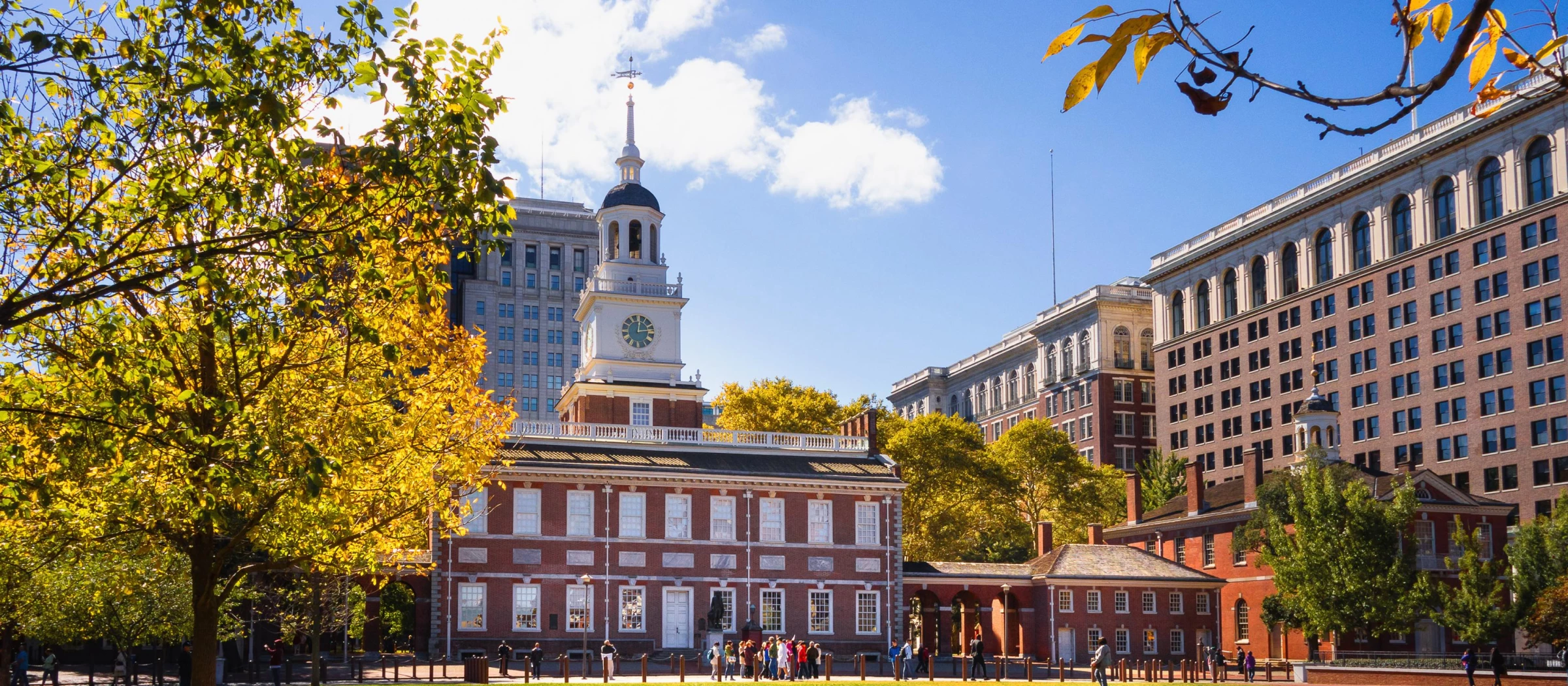
5. North Carolina
- Score: 57.55
- Minimum wage: $15,080
- Average wage: $56,220
- Wage disparity: 26.82%
Like many low-ranking states, North Carolina relies on the federal minimum wage of $7.25 per hour and offers no state-mandated PTO. Workers in North Carolina clock 41.6 hours per week, with healthcare costs taking up 13.62% of wages.

Worker satisfaction across the U.S. shows significant variation, shaped by different factors. Bridging these gaps and adopting more supportive workplace policies could foster a happier, more productive workforce across the country.
Data-backed research provides businesses with key insights that can be transformed into strategies for growth and success.
DesignRush Methodology
To rank U.S. states based on worker satisfaction, DesignRush calculated a satisfaction score as a weighted average of four key metrics:
- Paid Time Off (35%)
- Wage Discrepancy (35%): Calculated as the percentage difference between minimum annual wage and average annual wage.
- Weekly Hours Worked (15%)
- Healthcare Costs (15%): Calculated as the percentage of wages spent on healthcare.
The four metrics were normalized to a 50-100 scale and combined using the specified weights to derive the final worker satisfaction score. A higher score indicates higher worker satisfaction.



-Stressful-States-for-Male-Employees-in-2024-V2---details-preview-webp.webp)
-preview-webp.webp)
-preview-webp.webp)
-preview-webp.webp)