
Harry Potter's 25th Anniversary: Key Findings
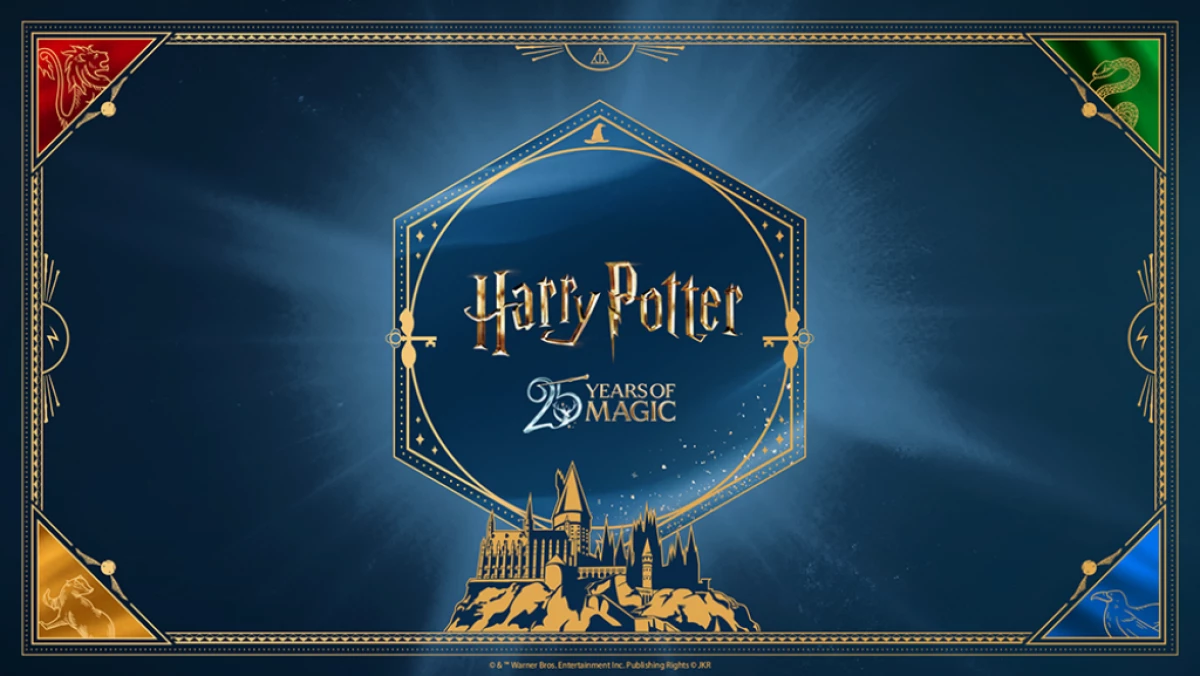
- Warner Bros. Discovery is extending the anniversary throughout 2026, using films, live events, and merchandise to prolong the celebration.
- The original film’s $7.7 billion box office run remains the anchor, while new experiences keep the franchise visible ahead of the HBO series.
- Experiences and retail activations are central to the rollout, bringing fans back into the world repeatedly throughout the year.
Some franchises mark anniversaries and then move on to the next campaign, but Harry Potter is staying put.
As "Harry Potter and the Philosopher’s Stone" turns 25, Warner Bros. Discovery has laid out a calendar that runs the entire year.
The plan includes theatrical re-releases, touring experiences, immersive screenings, and licensed products spread across regions.
The first movie arrived in theaters in 2001 and kicked off an eight-film run that grossed more than $7.7 billion worldwide.
This history still carries weight, but the timing matters just as much.
The anniversary activity runs alongside production of a new Harry Potter television series for HBO, currently slated for 2027.
It's like WBD has created a yearlong marketing campaign for the TV reboot.
This extended rollout keeps the franchise visible during a long production gap, reducing the risk of attention drifting elsewhere.
It also allows WBD to gauge fan response across formats before the new TV series enters the spotlight.
Hogwarts Stays Open All Year
Butterbeer trucks are scheduled to roll through major U.K. cities, with retail moments tied to dates fans are familiar with.
"Harry Potter and the Philosopher’s Stone" will also be returning to theaters worldwide for limited runs, with additional content attached.
A Shared Reality experience is launching at Cosm venues in Los Angeles and Dallas, with more locations planned.
Fans will encounter the franchise in familiar places, cinemas, shopping centers, theme parks, pop-ups, and studio tours.
HARRY POTTER and the Sorcerer’s Stone to re-release in shared reality
— Wizarding World Direct (@WW_Direct) November 17, 2025
• Los Angeles, Dallas, Detroit, Atlanta
• In Cosm’s 87-foot diameter LED domes
Tickets will go on sale in early 2026 pic.twitter.com/WTAuWWbT6O
The way the anniversary is structured reveals a few consistent themes that could help agencies working on similar campaigns:
- Familiar beats keep fans engaged. There are times when repeated encounters matter more than one big reveal.
- Physical settings still hold power. Being present in the real world reinforces memory and creates actual experiences people can share.
- A calendar creates rhythm. Fans know when to return and what to expect, allowing them more freedom to plan.
But brands also need to be careful, because this kind of rollout also has some risks.
It can cause individual activations across markets to fall flat, either because execution varies or because audiences tire when the calendar becomes too crowded or repetitive.
Merchandise as the Throughline
Dozens of brands will be releasing limited-edition products tied to the 25th anniversary, spanning collectibles, apparel, accessories, and food.
The scope is wide, and the execution is modular, allowing different markets to activate while staying true to the story.
For instance, LEGO’s expanded Harry Potter anniversary sets show how the franchise continues to support premium demand when design and narrative are tightly linked.
Updated packaging, new characters, and collectible elements position the products as keepsakes.
Industry data from PQ Media shows experiential marketing spend continuing to rise at high single-digit rates, a backdrop that explains why physical engagement remains central.
For Warner Bros. Discovery, merchandise and experiences are doing the work between major releases.
They keep the franchise present without asking audiences to wait.
These brand partnerships position merchandise as an active layer of the Harry Potter universe.
- Products extend the world across touchpoints. Co-branded releases let partners express the franchise through their own design language.
- Scarcity deepens engagement. Limited editions turn anniversary items into keepsakes, giving fans an added reason to participate.
- Licensing spreads execution pressure. A modular partner model allows global activations while protecting consistency.
Harry Potter’s 25th anniversary illustrates how a long-running franchise can stay active year-round when experiences are planned with clear intent and structure.
Our Take: Is Franchise Fatigue a Risk Here?
I don’t see fatigue in this rollout because Harry Potter transcends generations.
I see a studio treating a beloved franchise as a living brand with a stable following.
The anniversary keeps Harry Potter present without forcing reinvention, giving fans multiple ways to engage while the TV reboot approaches.
Staying visible through participation keeps the world of Hogwarts active, familiar, and ready for what comes next.
The yearlong rollout also functions as a stabilizing signal amid ongoing questions around WBD's asset sales and corporate direction.
It shows how the company is using its most durable franchises to demonstrate long-term value while the uncertainty plays out.