
Paramount-Warner Bros. Lawsuit: Key Findings
- Hostile bids turn into proxy wars when boards choose strategic fit over price, forcing brands to monitor how ownership battles disrupt advertising partnerships.
- Buyers' political connections now complicate media deals involving major news networks, affecting how brands assess long-term stability.
- Streaming consolidation concentrates control over content libraries, franchises, and distribution, shrinking brands' negotiating leverage with platforms.
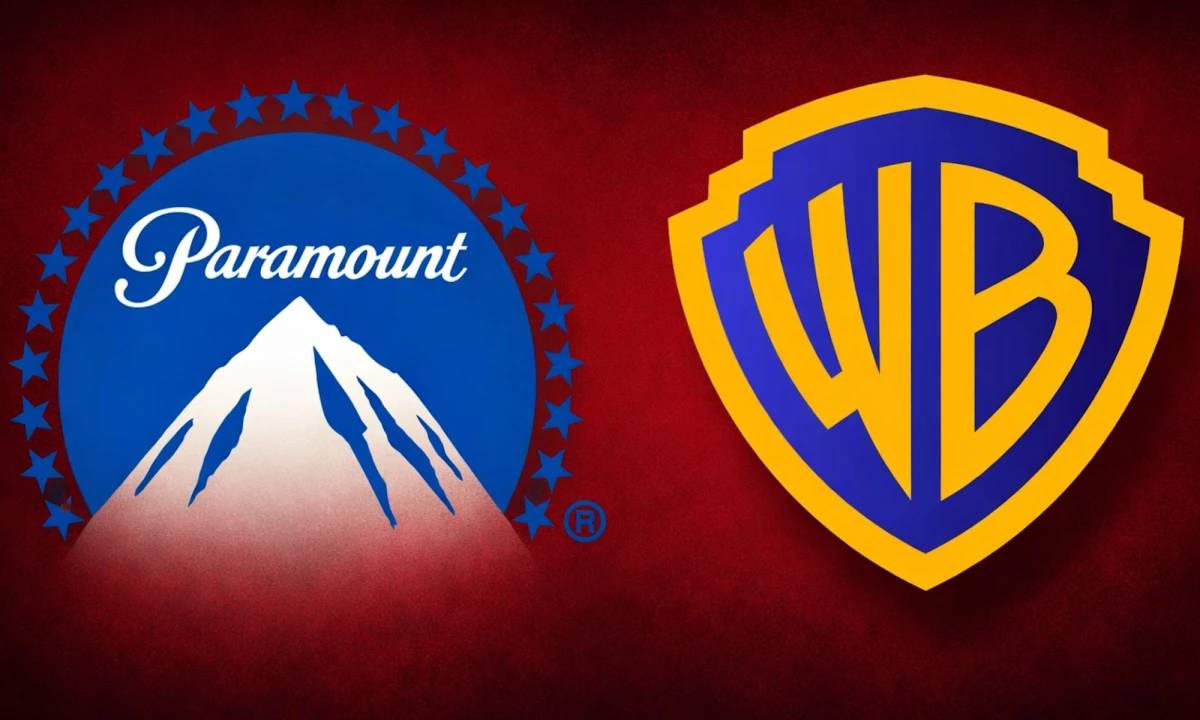
Paramount Skydance turned its $108.4 billion bid for Warner Bros. Discovery into a full-blown fight on January 12, suing in Delaware and moving to reshape the board.
The moves follow WBD's rejection of Paramount's $30-per-share all-cash offer in favor of Netflix's $27.75 mixed cash-and-stock deal that includes spinning off cable networks like CNN and TNT Sports.
"Over the last few days, following the decision by Warner Bros. Discovery not to engage with Paramount on our $30 per share cash offer... we keep getting the same question: what happens next?" Paramount said in a press release.
The company argues that WBD's refusal to engage leaves shareholders as the ultimate decision-makers, giving full disclosure about how the Netflix transaction's valuation is critical.
In this case, WBD’s decision to prioritize strategic alignment over a higher headline price has pushed Paramount’s bid into a rare, high-profile conflict.
For brands watching closely, the move to a shareholder vote highlights how fast strategic disputes can spark full public and legal scrutiny.
Why Paramount Is Forcing a Shareholder Vote
Paramount plans to propose a bylaw amendment requiring WBD shareholder approval for any separation of Global Networks.
This will ensure shareholders get the final say on which offer delivers more value.
The company will nominate a slate of directors at WBD's 2026 annual meeting and, if necessary, solicit votes against the Netflix transaction approval.
The Delaware lawsuit seeks to compel WBD to disclose how it valued the Netflix transaction, the Global Networks spin-off, and any debt transfers tied to the deal.
"WBD shareholders need this information to make an informed investment decision on our offer, and importantly, Delaware law has consistently required that such information be provided to shareholders," Paramount argued.
The legal action adds pressure on WBD CEO David Zaslav, who chose Netflix's offer despite Paramount submitting what it claims was a higher all-cash bid.
Here, we can see how political considerations are now layering onto regulatory review.
When Paramount's Ellison family has vocal Trump ties and control over CNN hangs in the balance, editorial independence has become a deal evaluation factor.
How Editorial Control Concerns Complicate the Fight
Control over WBD's Global Networks includes CNN, whose editorial independence has become a concern amid fears of increased shareholder influence over political coverage.
These concerns intensified after Paramount-owned CBS appointed conservative pundit Bari Weiss to lead the legacy network.
The Ellison family's public support for President Donald Trump also raises questions about how editorial priorities might shift if Paramount succeeds.
The president said he'll be "involved" in regulatory decisions about the Netflix deal, which adds political complexity.
Trump has close relationships with key Paramount financing partners, including Larry Ellison and his son-in-law, Jared Kushner.
This shows how shifts in network ownership and political influence can reshape marketing outcomes and force brands to rethink how they plan and buy media.
Paramount’s legal escalation offers three lessons on how high-stakes media deals can shift the rules:
- Proxy fights erode control fast: Shareholder battles replace carefully managed narratives, creating volatility for campaigns and partnerships.
- Political ties heighten platform risk: Ownership conflicts at news networks can affect editorial direction, audience trust, and ad placement decisions.
- Strategic fit claims face scrutiny: Boards must justify lower offers publicly, giving brands insight into how content, distribution, and partnerships are valued.
This case is a reminder that ownership changes can reshape platform power, affect audience trust, and disrupt long-term advertising plans.
Our Take: Can Brands Navigate Paramount’s Proxy Fight?
Paramount’s lawsuit raises important disclosure issues, but I think a proxy battle against an already-approved Netflix deal faces steep odds.
WBD’s board cited financing certainty and credit quality as reasons for picking Netflix, which are defensible even if Paramount’s cash offer was higher.
I think the key question here is whether shareholders see strategic fit as worth a slightly smaller deal.
Any ownership changes or shifts in editorial independence at CNN and other networks could affect ad inventory, brand perception, and campaign planning.
In other news, Microsoft's "Microslop" backlash shows what happens when CEOs dismiss AI quality concerns.
This proves how brands forcing tech adoption before proving usefulness can face consumer friction.
Brands navigating media consolidation's impact on ad inventory and partnerships need agencies that understand how ownership changes affect long-term roadmaps.
Check out the top media buying agencies in our directory.