
Unilever's Dr. Squatch Acquisition Takeaways:
- Dr. Squatch drives $400M+ in annual sales, with strong DTC and retail presence in North America and Europe.
- Viral campaigns targeting Gen Z men, including Sydney Sweeney’s “Body Wash Genie,” fueled rapid brand growth.
- Unilever is prioritizing faster-growing, digital-first personal care brands that resonate with younger consumers.
From its cheeky ads to serious sales, Dr. Squatch has caught Unilever’s eye.
Its natural products and strong online following made it Unilever's newest acquisition, the company announced.
The deal gives the consumer goods giant control of a brand that brings in over $400 million in annual sales, according to a press release.
Dr. Squatch has built a loyal following through direct-to-consumer, retail, and digital channels across North America and parts of Europe.
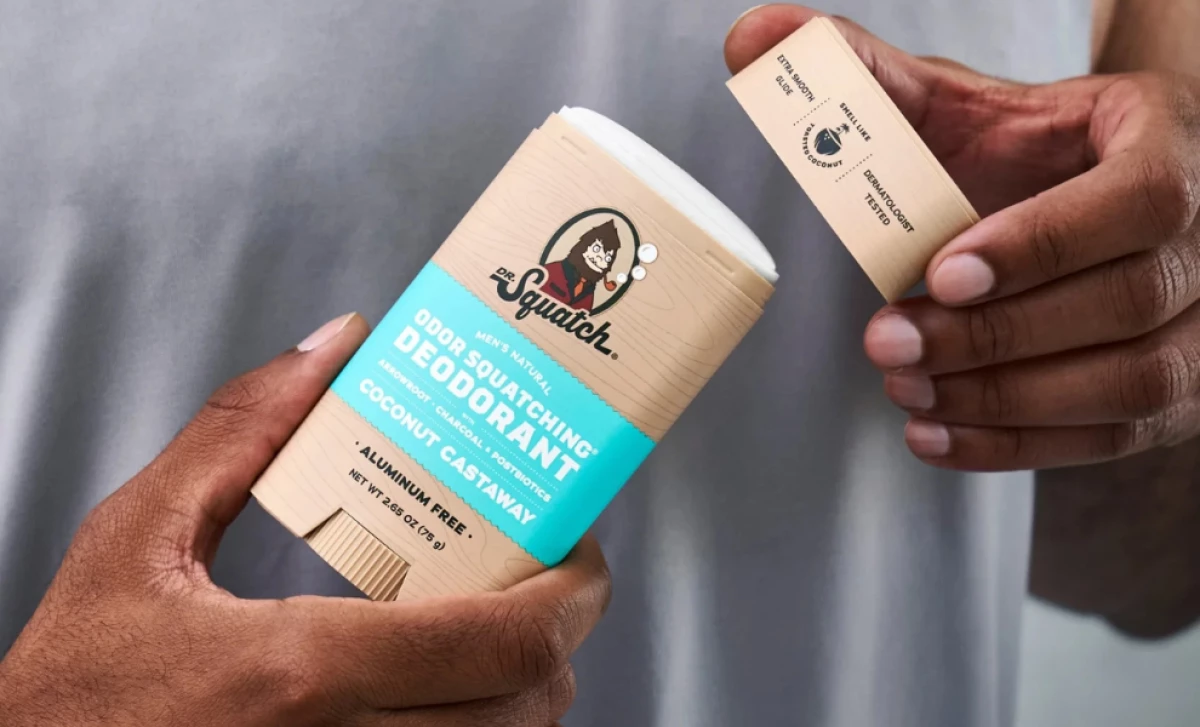
Its product range includes soaps, deodorants, shampoos, and colognes, all marketed with a distinct tone that connects with younger male audiences.
Additionally, its campaigns, including a viral promotion featuring Sydney Sweeney as a “Body Wash Genie,” have helped it stand out in a crowded space.
According to Fabian Garcia, president of Unilever Personal Care, the goal is to grow the brand without losing the creative edge that made it successful:
"The built-in-culture brand has grown to become a highly engaging men’s personal care brand.
Its viral social-first marketing strategies, partnerships with influencers and celebrities, and culturally-relevant collaborations with limited-edition packs have helped to drive sales and grow a loyal consumer following on social media and beyond."
Dr. Squatch's emphasis on natural ingredients and humor-driven storytelling has made it a favorite among Gen Z and millennial shoppers.
Investing Where Consumers Pay Attention
Why does this matter for brand leaders? Here's what this move signals:
The acquisition fits squarely into Unilever’s current strategy to focus on high-growth, premium segments.
According to CEO Fernando Fernandez, Unilever plans to allocate 50% of its media budget to social and scale influencer partnerships 20‑fold.
This shift allows it to divest slower brands and target high‑growth, culturally driven names like Dr. Squatch.
Strategic pruning improves focus.
Unilever’s decision to drop slower brands frees up resources for more relevant acquisitions like Dr. Squatch.
The brand's social-first model is already in line with this direction and is expected to help Unilever strengthen its connection with younger consumers.
This follows other recent moves, including Unilever’s acquisition of sustainable deodorant brand Wild.
Both reflect a renewed focus on faster-growing categories within personal care.
For Dr. Squatch, the partnership provides a chance to scale into new international markets while continuing to build on its distinctive identity.
Founded in 2013 by Jack Haldrup, Dr. Squatch attracted investment from Summit Partners in 2022.
With their help, the brand improved operations and expanded distribution.
Now, with Unilever’s global reach and resources, Dr. Squatch is positioned to reach a much wider customer base while maintaining its direct relationships with consumers.
Our Take: Why Does This Acquisition Matter Right Now?
This isn't just a deal but a directional choice.
Unilever is prioritizing brands that know how to build relevance fast and speak the language of their audience.
Sydney Sweeney and Dr. Squatch are going to print millions of dollars selling…her bathwater.
— Cody Wittick (@Cody_Wittick) June 3, 2025
No, that’s not a typo. Here's what happened:
October 2024: Sydney films a Dr. Squatch body wash ad sitting in a bathtub. "Hello you dirty little boys, are you interested in my body… pic.twitter.com/4HYYtYZynq
I see Dr. Squatch not as a traditional acquisition, but as a signal that Unilever understands where attention is headed.
For agency leaders, the takeaway is simple: growth now follows attention, and attention follows culture.
Curious how Unilever plans to reignite brand loyalty through influencer marketing?
Discover how its CEO is reallocating ad spend and restructuring teams to prioritize digital engagement.