
The new year hasn’t even begun and we’re already into a news cycle of technological breakthroughs, economic uncertainty, and cultural shifts.
However, amidst all this noise, brand executives share the same goal: stand out from the crowd and drive meaningful brand growth.
Is that easy? No.
Is it impossible? Definitely not.
Yet brands will need to keep in mind that what worked before may no longer bring the same results next year. So, this is the time to reflect and rethink your strategies.
Why is 2025 a Pivotal Year for Brands?
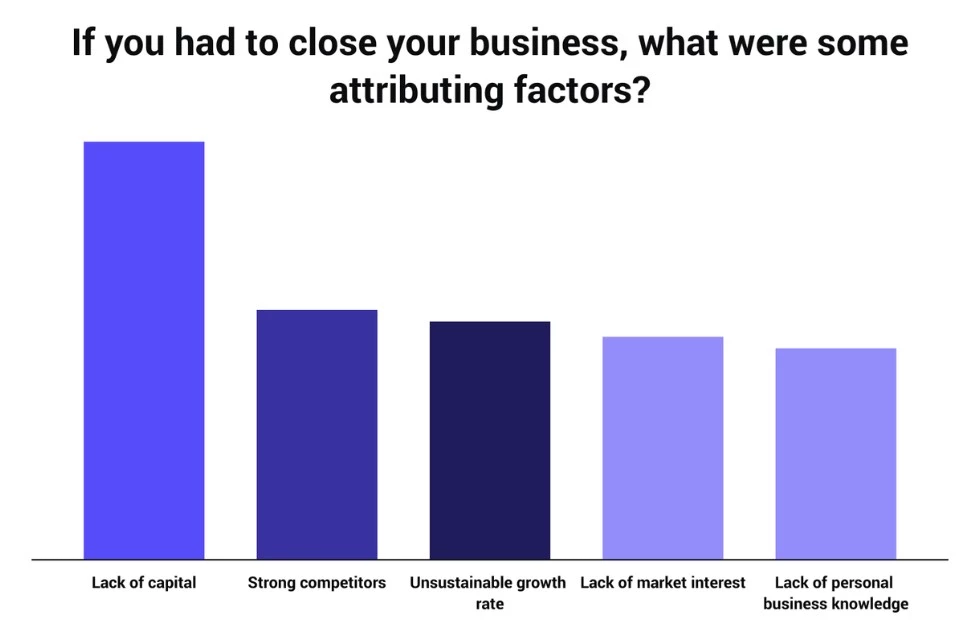
The competition is fiercer than ever with approximately 4.7 million new businesses starting yearly.
Yet, nearly 1 in 5 small businesses, or 19.6% fail due to strong competition.
At the same time, customer preferences change in the blink of an eye.
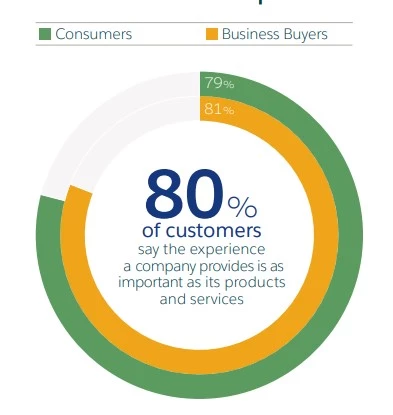
As much as 80% of customers say the experience a business provides is as important as its products and services highlighting the role of customer experience in brand differentiation.
But that’s not all.
Technology is pushing boundaries like never before with tools like AI and automation helping businesses create more personalized and meaningful experiences for their customers.
Yet, these are just small pieces of the puzzle.
Brands must rethink their strategies to capture the hearts and wallets of consumers.
Or, they’ll watch their competitors seize the moment.
Now is the time for brand executives to reflect on the past months and evaluate which strategies are worth bringing forward into 2025.
To help, eight leading industry experts join DesignRush and share strategies that have proven effective in fostering brand growth.
#1: Always Question, Plan, and Serve to Stay Ahead
Closer to Truth Founder Robert Lawrence Kuhn, believes that brands should never get too comfortable in their market because what worked in the past may not work in the future:
“Do not take for granted your position in the market. Do not ever assume that the future will emulate the past, [or] that sophisticated extrapolations are successful forecasts.
Always be vigilant. Always prioritize how to serve your customers better. Always ask why your customers are buying your product or service and what could affect those buying decisions. Do scenario planning for various exigencies,” Kuhn says.
On that note, brands should do their best to understand their customers better by asking the right questions to help identify trends before they develop.
This positions your brand as one that plans ahead and genuinely cares about providing the best experience possible.
#2: Make Your Brand Story an Experience to Remember
Fiverstone Studios Founder and CEO Traylor Woodall highlights that creating immersive brand experiences that rely on a great brand story is key to engaging the audience deeper and leaving a lasting impact.
“Go beyond interactive by making it immersive. Surround your customers with your story and brand.
Don’t put [your] story in the corner. At our core, human beings have a primal need for storytelling. Be sure to start and end with a great story experience.”
How can brands do exactly that? Woodall shares the following advice:
"Blend and magnify: Be open to combining multiple disciplines and approaches to scale your impact. In other words, don’t just do projection mapping. Combine it with choreographed dance or actors and have the projection mapping react and respond to their movements.
Even better, create an interactive projection mapping experience that responds to input from the audience!"
#3: Stop Guessing and Start Connecting with Your Audience
Brill Media CEO Robert Brill emphasizes the importance of validating your messaging directly with your customers instead of relying on assumptions when leveraging advertising for brand growth in 2025.
“Stop guessing on the messages that work. You know you’re guessing if you didn’t validate your messages with customers first.
Focus groups, research, and modeling cannot replace understanding the verbatim language showing what customers actually want from your business,” he explains.
Brill’s insights highlight the value of prioritizing authentic customer feedback over purely data-driven methods.
Understanding what customers genuinely want allows businesses to create messaging that resonates on a deeper, more impactful level.
#4: Harness Cultural Movements to Build Stronger Brands
StrawberryFrog Founder Scott Goodson emphasizes movement marketing to drive brand growth in 2025.
He advises businesses to align their brands with cultural movements through authentic storytelling, strategic partnerships, human-centric engagement, and long-term sustainability while measuring meaningful impact.
"Find the cultural current that's about to become a tsunami. Ride that wave. Tie it back to your brand so tightly that people can't think of the Movement without thinking of you.
Remember, in 2025, you're either leading a movement or you're being swept away by one. Choose wisely.
To do this, Goodson suggests taking the following steps:
- First off, forget your SWOT analysis. It's 2025, and if you're not doing cultural forensics, you're already dead. I'm talking deep, dirty, data-driven dives into the cultural zeitgeist. What's keeping your customers up at night? What's the cultural lightning in a bottle? That's your goldmine, not some focus group.
- Next, alignment. If your brand values read like they were written by a ChatGPT prompt, you're screwed. Find your authentic voice and scream it from the rooftops. But here's the kicker – it better resonate with your audience, or you're just another corporate clown car.
As for actual strategies and executions, Goodson welcomes trying different approaches to keep things fresh. However, he says that brands shouldn’t take steps just for the sake of doing so:
- Partnerships? Sure, but make them count. I'm not talking about slapping your logo next to another soulless corporation. Find the disruptors, the ones making your industry fly. That's your tribe.
- Digital platforms? YES. But if your idea of social media strategy is posting cat memes, just close up shop now. Engage, provoke, and for God's sake, be human.
- Measurement? Absolutely. I want to see impact metrics that make your CFO's eyes water. Show me behavior change, show me market share stolen from competitors, show me a movement that's reshaping your industry.
- Lastly, sustainability. This isn't a one-night stand; it's a long-term relationship. If your Movement can't outlast a TikTok trend, don't even start. I'm talking about initiatives that'll still be relevant in 10 years..
#5: Grow Your Brand with Authentic Content
Modalyst Co-founder and CEO Jill Sherman points out using authentic content to build trust, establish thought leadership, and drive traffic.
“The best content is authentic content. Show your customers that you are a thought leader in your niche. Create engaging content with your subject matter expertise, and then optimize for SEO value. Build your traffic funnel by being a leader in the space — vocal, knowledgeable, and trustworthy,” she advises.
Authentic content isn’t just a buzzword — it’s a brand’s strongest asset. By showcasing genuine expertise and building trust, businesses can cut through the noise, captivate their audience, and solidify their position as industry leaders.
#6: Create a Differentiated, Customer-Centric Brand
Nick Trueman, founder of Spec Digital suggests that businesses should build a customer-centric brand by actively engaging with customers while prioritizing customer and team needs over owner interests.
“Be a good brand. Talk to your customers, especially if you’re the CEO/Owner. Test different approaches to selling each product. Niche up if you need to (less potential growth but significantly more profit). Don’t assume the customer is right — explain that with your content/marketing.
My biggest point is to do something different. Truly make your organization a customer-centric one. Customers, then your internal team, then the directors/owners — that’s the hierarchy that so many get wrong," he notes.
David Telfer, National Manager of Lexus Advertising and Media agrees on this point adding that putting customers first and keeping a human touch at the center of everything you do is the key to standing out and growing in the luxury market.
“It all goes back to the guest or for other brands, the customer. That’s going to set you apart from any other brand. Keeping that human-centricity at the top of your mind is imperative in differentiating yourself and driving meaningful growth,” he says.
#7: Build Trust and Engagement with Authentic, Targeted Marketing
Gabriel Shaoolian, CEO of Digital Silk, believes that the key to building a successful brand is creating meaningful, engaging digital experiences that truly connect with people, earn their trust, and inspire loyalty over time.
“A solid brand strategy includes defining the target audience and understanding the unique value proposition.
Once the target audience is defined, businesses should select marketing channels accordingly. For instance, LinkedIn works particularly well for B2B, whereas platforms like TikTok and Instagram resonate more with younger demographics.
It’s important not just to focus on age or demographics but also the interests of your target audience. For example, TikTok works for younger people in leisure while LinkedIn is more suited for professional content.
Be authentic and honest in marketing: Don’t make exaggerated claims because consumers can easily see through them, and this can damage brand credibility.
Speak their language, know their pain: A successful marketing strategy speaks directly to a specific problem the audience faces rather than making grand, general statements," he explains.
The takeaway from these leaders is clear: focus on building meaningful connections with your customers and prioritize delivering real value by being honest and authentic.