
Elon Musk's X Rebrand: Key Findings
- Name change, not behavior change: 55% of daily U.S. users still call it Twitter. Habits and brand associations are tough to rewrite.
- Brand equity loss: Rebranding erased up to $20 billion in brand value, cutting deep into recognition and trust.
- Vision vs. reality: The promised “everything app” hasn’t happened, leaving users confused and unconvinced.
- Financial hit: X’s valuation has dropped more than 70% since Musk’s $44 billion purchase.
- Rebrand lesson: Without a clear strategy, a sudden name and logo change risks confusion, backlash, and long-term reputational cost.
Quick listen: Two years after Twitter became X. Here’s what brand leaders need to learn, in under 2 minutes.
Today, July 23, marks two full years since Elon Musk rebranded Twitter to X.
What was supposed to be the start of a bold new vision for the platform has mostly become a case study in brand inertia.
Despite Musk’s flashy rebrand, the name “Twitter” stubbornly persists in everyday language.
In fact, a 2024 YouGov poll shows that 55% of daily users in the U.S. still use its old name.
And around 49% of all Americans do, too. In the U.K., the number is closer to 80%.
In other words, a majority of its user base simply hasn’t switched vocabularies.
Why hasn’t “X” caught on? One big reason is habit and clarity.
For more than 15 years before Musk bought it for $44 billion, Twitter built cultural weight.
“Tweet” became a verb. The blue bird logo was one of the most recognizable icons in tech. This is what “X” lacks.
It's just a generic letter with no inherent meaning to its users (Musk is known to be fond of this particular letter) or history as a social media brand.
Even Musk’s own company documentation kept referring to “Twitter” and “tweets” long after the rebrand.
Do you call it X or Twitter? pic.twitter.com/VsFM4BQAeH
— Bearded Priest (@BeardedPriest1) July 23, 2025
X just doesn’t describe what the platform is and all the nuances that come with it, leading to a nonexistent emotional pull.
This is because it’s competing with a legacy brand still alive in people’s minds.
I’ve had to qualify “X” as "formerly Twitter" in articles I've written more times than I can count.
Twitter is still the name that signals meaning to most people.
The Promise of X Hasn’t Landed
Musk introduced the name X in 2023 as part of his plan to build an “everything app.”
And as of January 2025, he’s still recruiting “hardcore software engineers” to help make it happen — no degree required.
His original idea was to evolve Twitter past short-form posts and into streaming, payments, messaging, and shopping. But this hasn’t fully happened.
Sure, there are new features. Longer posts. Creator monetization. Also a few steps toward higher-resolution video formats.
— Elon Musk (@elonmusk) July 23, 2023
But in practice, the core product is still very close to what Twitter always was.
Users scroll feeds, reply to posts, and share links. Payments aren’t live. Streaming is limited.
The platform experience didn’t change enough to justify a new brand identity.
It's simple, really. People kept saying “Twitter” because it still felt like Twitter.
What the Rebrand Really Cost
The financial damage was clear early on.
Experts estimated that dropping the Twitter brand made the social media giant lose between $4 billion and $20 billion in value.
The name itself had global recognition and cultural value that most brands never reach.
Twitter's advertising business also fell hard. After rebranding and Musk’s policy changes, ad revenue dropped by nearly 40% from 2022 to 2025, Oberlo reported.
This is a steep fall for a company that once depended almost entirely on ads.
Internally, the company’s value also plunged.
Musk bought Twitter for $44 billion. But by March 2023, just less than a year later, it was valued at closer to $20 billion. More than half of its value evaporated.
The name change wasn’t the only reason, but it played a major role in how the platform was perceived by users and advertisers.
A Rollout That Created Confusion
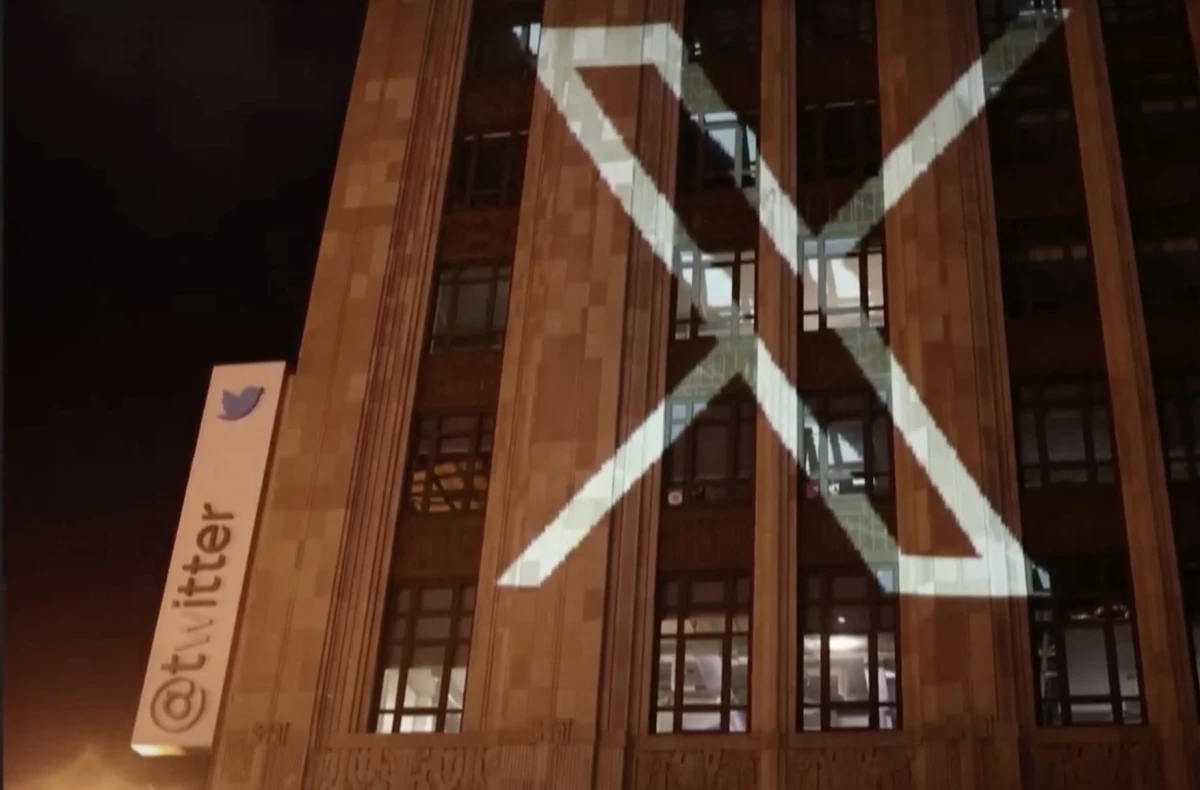
The way the change happened made things worse. The logo was replaced almost overnight with a fan-made design.
Twitter’s accounts changed names quickly, but parts of the site and app still showed “Twitter” for weeks.
Offices in San Francisco started removing the bird logo, only to be stopped by local police because the company hadn’t gotten the right permits.
The entire change looked rushed and underplanned.
After Elon Musk rebranded Twitter as X, a worker began removing the company’s old logo from outside its San Francisco headquarters. After removing six letters, the worker was stopped for performing “unauthorized work,” the police said.https://t.co/KtkRA8Ggvvpic.twitter.com/EQgaT0VMrt
— The New York Times (@nytimes) July 25, 2023
There were trademark issues, too. Meta, Microsoft, and a slew of other companies already had claims to the “X” brand.
From the outside, the rebrand looked improvised, not intentional.
And this undercut whatever vision Musk had for a fresh identity, even though former CEO Linda Yaccarino dubbed it as "the future of unlimited interactivity."
On a side note, Yaccarino resigned as X's CEO just two weeks ago, adding to the problems the platform has to face due to Musk's leadership and reputation.
🚨 Another CEO down.
— DesignRush (@designrushmag) July 10, 2025
Linda Yaccarino resigns after two chaotic years at X.
No clear successor.
Grok's AI glitches.
And Elon Musk is still calling the shots.
Why it matters to brands:
You can’t run stable campaigns on unstable platforms.
Every PR crisis spills into your brand… pic.twitter.com/nPJAhYePWP
X’s rebrand didn’t fail because of the name change alone. It fell short because the rollout ignored some of the most basic principles of brand transition.
Here’s what it got wrong, and what brand leaders should keep in mind when considering a brand refresh:
- Keep what works. Twitter’s name, icon, and language had real value. Replacing them so suddenly erased goodwill and clarity.
- Match the change to something real. The product didn’t change much, which made the name change feel hollow.
- Roll it out with care. A rebrand isn’t just a logo swap. It needs messaging, timing, and a clear story.
- Give people time. Users don’t adopt a new name overnight. They need reasons, reminders, and consistency.
You can’t expect users to buy into a new brand just because you say it’s here. You have to show them what’s new and why it matters.
Today marks two years since Twitter rebranded to 𝕏. pic.twitter.com/tW3kdgx4SJ
— SMX 🇺🇸 (@iam_smx) July 23, 2025
Two years after the rebrand, the data speaks for itself. A majority of users still call it Twitter.
The name “X” hasn’t stuck because the product didn’t change enough to earn it.
Musk made a massive move to reimagine a global platform. But branding is more than a new logo or a different name.
It’s about what people feel when they hear the name. Twitter meant something. X, for many, still doesn’t.
If you’re thinking about a rebrand, ask yourself the harder question: Are you changing what the brand means, or just what it’s called?
When identity falls flat, it’s not just about design; it’s a meaning problem. These branding partners who specialize in perception can fix that from the inside out: