
Trader Joe's Tote Craze: Key Findings
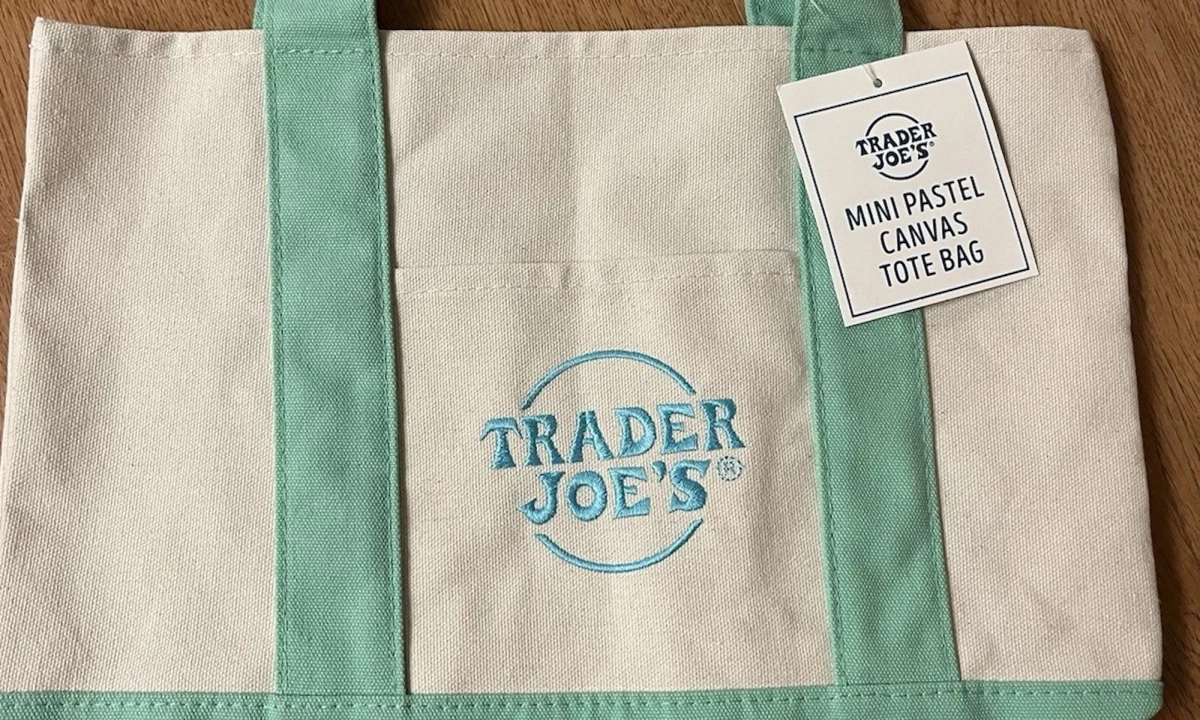
- Trader Joe's $2.99 canvas totes are selling for up to $10,000 on international resale platforms in cities without Trader Joe's locations.
- The bags have become geographically specific status symbols in London, Seoul, Tokyo, and Melbourne, signaling travel and cultural awareness.
- The case shows how accidental scarcity outperforms manufactured hype when consumers can distinguish between real supply constraints and artificial marketing tactics.
Trader Joe's $2.99 canvas tote bags quietly became one of 2025's most unlikely international status symbols.
The simple branded bags are now being resold on eBay, Depop, and Korea's Karrot market for up to $10,000, with some listings even reaching $50,000.
In cities like London, Seoul, Tokyo, and Melbourne, where no Trader Joe's stores exist, carrying the tote signals you've either traveled to America or have connections who bring back souvenirs.
The phenomenon mirrors last fall's Starbucks Bearista cup phenomenon, when a $30 bear-shaped glass cup triggered overnight store queues and thousand-dollar resales.
Both moments demonstrate how real scarcity, combined with social media amplification, can turn the sale of simple retail products into cultural events.
How a Grocery Bag Became an "If You Know, You Know" Accessory
Holly Davies, a London-based podcast producer, initially thought her Trader Joe's tote would blend in after bringing it back from Washington, D.C.
Instead, she started spotting them everywhere, including on the Tube, outside pubs, and swinging from shoulders on crowded streets.
Davies investigated the phenomenon for the Articles of Interest newsletter, published on Substack in October 2025.
Nearly everyone she interviewed abroad presumed the totes were signaling liberal, cultured values.
"The Trader Joe's tote can be viewed as far enough away from the ultra-capitalist, consumerist side of the U.S. that some people from the U.K. particularly dislike," Davies explained in an interview with MSN.
The bags' visual similarity to L.L. Bean's classic Boat and Tote, combined with hand-painted store signage, creates an impression of independence despite Trader Joe's being a massive 618-store corporation.
Here, we can see how brands that cultivate indie aesthetics while operating at a corporate scale are creating permission for consumers to embrace them.
Why the Scarcity Strategy Works Without Being Intentional
Unlike the Bearista cup's extreme inventory limits, as some Starbucks stores received just one or two items, Trader Joe's claims it shipped more totes than almost any holiday item.
However, the scarcity phenomenon happened anyway.
Mini tote releases sold out within hours at U.S. stores, with customers buying the maximum 25 bags to give as gifts.
Trader Joe's says it has distanced itself from the resale market, stating it "neither condones nor supports the reselling of our products and does all we can to stop the practice."
The company also claims it manufactures the bags in Vietnam and then sells them exclusively through its own locations.
However, the psychological drivers behind this craze also match what made the Bearista cup successful.
Recent research shows that perceived scarcity cues significantly increase product desirability by triggering urgency and competitive social psychology in consumers.
Studies have also found that when products feel limited or time-constrained, consumers are more likely to view them as valuable and make quicker purchase decisions.
On top of this, the global collectibles market reached $306 billion in 2024, proving that consumers are willing to pay premiums for exclusive items.
Three patterns from the Trader Joe's tote phenomenon show how accidental status symbols emerge:
- Word-of-mouth beats advertising for exclusivity: Trader Joe's didn't announce drops of the bag, allowing consumers' discovery of it to feel more organic.
- Visual branding signals values, not just identity: Hand-painted store aesthetics have separated the brand from polished corporate competitors.
- Resale markets validate perceived scarcity: Secondary pricing makes affordable products feel genuinely rare, amplifying demand beyond initial buyers.
Brands that let consumers discover scarcity on their own create stronger demand than those announcing every drop.
When resale markets price affordable products at luxury levels, they validate the exclusivity that consumers were already feeling.
Our Take: Can Brands Replicate Accidental Status?
We think trying to manufacture this kind of cultural moment usually backfires.
The Bearista cup worked because Starbucks created real scarcity as stores literally ran out of the product.
Trader Joe's tote bags have been a desirable product because geographic unavailability creates genuine access signals abroad.
Both moments share one thing in that they weren't optimized for viral marketing.
The products existed, became scarce, and social media took care of the rest.
Brands trying to engineer these moments risk producing transparent attempts at manufactured hype that consumers will almost certainly be able to see through.
In other news, Pop Mart's $35 billion valuation from viral Labubu dolls shows how celebrity-driven product crazes mirror the Trader Joe's tote phenomenon, as both brands benefit from organic cultural momentum.
Brands looking to create product drops that generate organic cultural moments need agencies that understand when to stay out of the way.
Take a look at the top retail marketing agencies in our directory.