-author-avatar_mobile-webp.webp)
Key Takeaways
- Visibility matters. A strong channel manager can help avoid double bookings while boosting exposure by syncing listings across major Online Travel Agencies (OTA).
- Don’t rely only on OTAs. Building and promoting a direct booking site increases margins and strengthens guest relationships.
- Experience beats pricing. Great guest experiences lead to better reviews, repeat stays, and organic growth, even more than competitive pricing.
Ah, vacations... the best period of the year for most people, and a golden business opportunity for others. But, how can property managers and owners capitalize on that opportunity?
When you're managing vacation rentals, getting more bookings is only part of the challenge. The real goal is doing it without burning out or giving up too much revenue to third-party platforms.
Bojan Pesic, VP of Client Services at Tokeet, works closely with property managers around the world. From syncing listings across channels to automating guest communication, his focus is helping clients grow smarter, not just faster.
In our interview, Bojan shares six specific ways vacation rental businesses can increase bookings, from optimizing pricing to building a direct booking strategy that actually works.

Who Is Bojan Pesic?
Bojan Pesic is the VP of Client Services at Tokeet, where he leads customer experience and operations. With prior leadership roles at SBB and Alta Group, he brings a global perspective to service delivery and operational efficiency. His focus is on driving innovation and measurable results across customer-facing functions.
#1: Use a Channel Manager to Maximize Visibility
Managing listings manually across multiple platforms is not an easy feat. Double bookings, inconsistent pricing, and missed inquiries are common issues without a centralized system backing everything up.
“One of the most common mistakes is not having a unified system for managing bookings and operations.
Many businesses try to manage bookings across multiple platforms manually, leading to double bookings, inconsistent pricing, and inefficient communication,” Bojan said.
Tokeet’s channel manager helps solve this by synchronizing calendars, rates, and availability in real time across platforms like Airbnb, Vrbo, and Booking.com.
“This significantly increases their exposure to potential guests without the overhead of worrying about accuracy or overlap,” he said.
#2: Build a Direct Booking Website
Third-party platforms may provide traffic, but they take a cut, and the guest relationship stays with them. That’s why a growing number of vacation rental businesses are investing in their own direct booking presence.
“We empower businesses to create their own professional, commission-free booking websites.
This is huge for reducing reliance on expensive third-party channels and fostering a direct relationship with guests.”
Bojan recommends making the website mobile-friendly, easy to navigate, and promotion-ready.
“Promote your direct booking site on social media, in your email signature, and in all guest communications.
Even a small discount or welcome gift can be enough to convert a returning guest,” he said.
According to Bojan, one Tokeet client started with virtually zero direct traffic.
However, after six months of active promotion, direct bookings made up about 15% of their total, with higher margins and greater control over the guest experience.
#3: Optimize Pricing With Dynamic Tools
Price is one of the first things a guest sees, and that’s why it shouldn’t be a static number.
Demand, competition, seasonality, and even local events all influence what a property is worth on a given night.
“Implement dynamic pricing to adjust rates based on demand, seasonality, local events, and competitor pricing.
It helps managers ensure their rates are competitive and optimized for different seasons and demand levels,” Bojan advises.
-content-large-webp.webp "Booking Factors to Consider")
He notes that many property managers set pricing and forget it.
Instead, they should monitor performance metrics like occupancy rate and RevPAR (Revenue Per Available Room) to fine-tune their pricing strategy.
“Consider minimum stay requirements and length-of-stay discounts to optimize both occupancy and revenue,” he adds.
In a highly competitive market, smart pricing can mean the difference between peak-season profitability and off-season stagnation.
#4: Automate Guest Communication
Guests expect fast, clear communication before, during, and after their stay.
You may initially start doing this manually, but it can quickly become overwhelming as your business grows.
“Automating repetitive tasks like guest communication, payment processing, and even pricing updates frees up valuable time.
This allows property managers to focus on delivering exceptional guest experiences,” he said.
Tokeet’s automation tools include customizable messaging templates for every stage of the guest journey.
“We’ve seen clients improve their guest communication response times by over 70% after automating pre-arrival guides, check-in instructions, and follow-up messages.”
That responsiveness pays off in spades.
“The reduction in double bookings and improved communication led to a noticeable increase in their average review score, from 4.2 to 4.7 stars within a year, which helped attract even more new guests.”
#5: Invest in Listings That Convert
A great property can underperform if its online presence doesn’t match its real-world quality. Bojan regularly sees property managers fall short here.
“Many owners use amateur photos or sparse descriptions
This hurts conversions. Invest in professional photography. Write engaging, detailed descriptions that highlight unique features and nearby attractions,” he said.
He also stresses that your listings, across every platform, should be consistent and tailored.
“Think about what makes your property stand out and communicate that clearly. Is it the view? The hot tub? The proximity to local landmarks? Say it, and show it.”
Ultimately, better listings increase visibility, click-through rates, and booking conversions.
Considering the low cost, these are the highest-impact improvements a business can make.
#6: Track the Right Metrics
It’s tempting to focus on bookings alone, but that’s just the surface. Bojan encourages owners to look deeper into performance analytics.
“Beyond just the raw number of bookings, metrics like occupancy rate, ADR [Average Daily Rate], RevPAR, and conversion rate give a much clearer picture of what’s actually working,” he explains.
He also highlights the importance of guest satisfaction data.
“Positive reviews are one of the most influential factors in a traveler's booking decision. Over 90% of travelers read reviews before booking accommodations.”
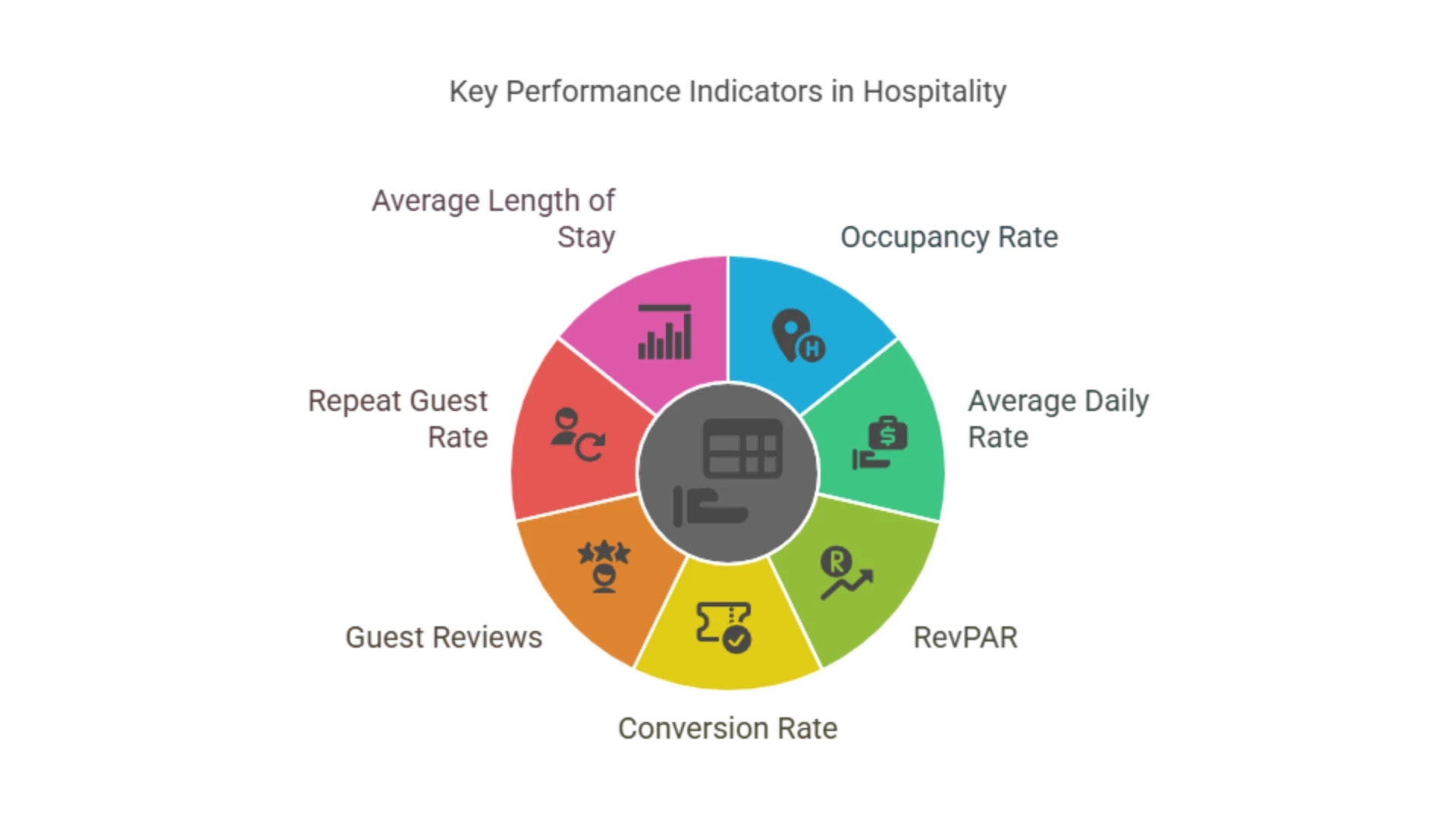
Other vital metrics include repeat guest rate and average length of stay.
“Understanding these helps optimize pricing and operations, especially for turnover costs and cleaning schedules,” he says.
Growth Without Guesswork
Booking growth is about doing the right things with better systems. That’s the underlying message of Bojan approach.
“Technology, like Tokeet, is an incredible enabler.
It helps you automate tasks, reach a wider audience, and optimize your operations. But it’s the human element that drives guest satisfaction.”
In a market where price competition is fierce and margins are thin, long-term growth depends on reputation, relationships, and repeat business.
“Even with the most sophisticated software, it’s the attention to detail, the genuine warmth in communication, and the responsiveness to guest needs that truly make a difference,” Bojan concludes.
-author-avatar-webp.webp)