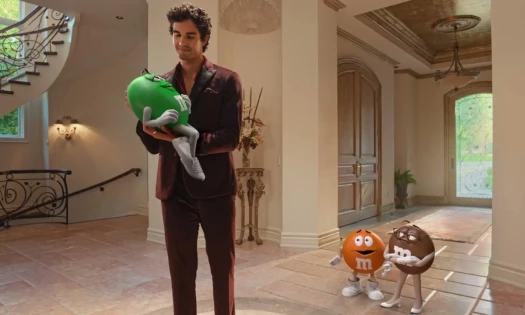

In the increasingly tech-driven world, humanizing your digital marketing can be the key to success. Brands that take a human-centric approach manage to create strong connections and increase engagement and brand loyalty.
According to Joe Carolino, Chief Creative Officer at Thesis, the company's brand ideals are the driving forces that help create more human-centric digital experiences for their clients.
Drawing upon two decades of experience and past collaborations with global brands like Nike, Adobe, and Taco Bell, Joe openly shares his professional perspective on the topic and discovers how to imbue technology with a heartbeat.

Who Is Joe Carolino?
Joe is an award-winning, first-generation Asian American creative with over 18 years of experience in the design, digital innovation, and startup spaces. At Thesis, Joe leads the company's Creative Department (Design, Motion, Writing, Editing), ensuring the teams translate key creative truths and business vision into impactful work.
We asked Joe what principles guide the Thesis’ digital approach to making digital experiences more human-centric and how they differ from traditional digital strategies.
This is his answer:
“We believe that the most impactful connections are born at the crossroads of people and pixels. Our brand ideals — mission, vision, and purpose — call upon our team to focus on the real moments that matter.”
- Their mission is to “give digital a heartbeat”: They work to make the digital experience as rich, dynamic, and alive as the human experience — not just reaching audiences but touching hearts and minds
- Their vision is to “create a world where digital spaces drive them forward together not further apart”: They strive to create a digital world where progress is synonymous with connectivity and collective growth
- Their purpose is to “bridge the divide”: They aim to close gaps in communication and understanding to pave a path toward inclusivity and unity
As Joe states, this approach differs from traditional digital strategies in that it is done right by the “user” in the context of the digital experience and the world around them.
There is a proven technique that Joe calls ”the recipe for making a real connection” which helps Thesis ensure digital marketing strategies resonate with audiences:
- No two solutions should be the same: They delve into the details to ensure they tell the right story to the right audience in a unique, non-cookie-cutter way.
- Using analytics tools: They use analytical tools to identify who to reach out to and how to engage them.
- Putting the audience’s needs first: They listen carefully and speak directly with audiences to understand their needs and desires before creating anything.
“This combined approach — the quantitative and the qualitative — gives us the range to meet people where they are (across the spectrum of digital media) and the relevance to engage people as they are,” adds Joe.
We agree that relying on analytics tools can be key to understanding and engaging the audience. Check our video to discover the tools that can help transform your marketing strategy and boost your results.
DEI Enables Thesis to Humanize Content
At Thesis, they appreciate each individual's lived experiences and believe they widen the perspective of their work.
“Prioritizing diversity, equity, and inclusion welcomes and appreciates a spectrum of personalities, experiences, and eccentricities so that everything has greater variety and reach. You can see this in our hiring practices, growth projects, and workplace programs because our agency and our society are better when diverse perspectives come together.” Joe explains.
Given that the company is known for its commitment to diversity, equity, and inclusion (DEI), we also asked which inclusivity guidelines businesses should consider.
"The work of DEI is never complete," Joe began answering, leaning forward to emphasize his point.
He added that they continually challenge their understanding of how DEI affects their teams and work and that they regularly consult third-party experts to ensure their DEI roadmap aligns with their actions, shaping recruiting practices and annual initiatives.
He then explained that their seven Employee Resource Groups (ERGs) receive budgets, event calendars, and visibility through internal communications and social media which gives team members the support and community they need.
Joe then highlighted a significant recent development:
"We implemented an informed compensation structure and conducted a comprehensive pay equity analysis.
With the help of external industry research, we created transparent Pay Grades and Bands so that current and prospective employees know what to expect based on their experience." He emphasized that this new system levels the playing field, especially for marginalized communities often at a disadvantage in pay negotiations.
Joe also outlined how Thesis leadership values open dialogue:
"We conduct annual agency-wide employee surveys and host open office hours, listening forums, and town halls. These gatherings spark two-way conversations that deeply inform our focus areas."
Effective collaborative tools help facilitate a human-centric approach in digital marketing by involving all stakeholders, enabling them to contribute, provide feedback, and monitor progress in real-time.
Some of the tools that Joe recommends using for removing friction, easing processes, and increasing their teams’ productivity are:
- Figma
- Adobe Creative Cloud
- Slack
- G-Suite
- Airtable
He also advises agencies to evaluate their work methods, identify barriers, and seek improvement opportunities. They should listen to their team and then find tools and technologies that meet their needs, which can lead to better deliverables.
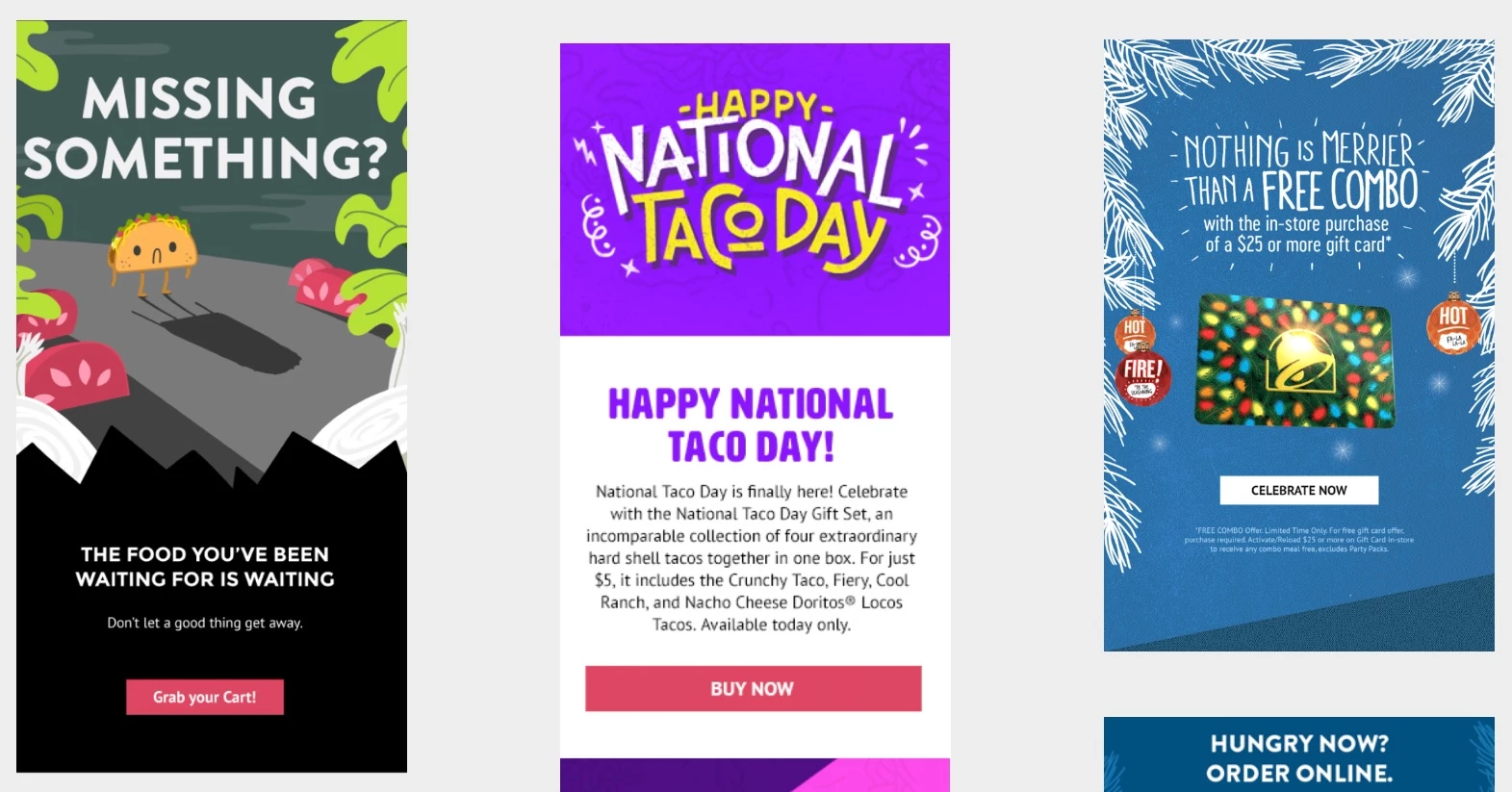
Thesis Personalizes Digital Strategies
At Thesis, they understand that tailoring digital marketing strategies to meet the specific needs of different businesses while also making the digital experience more relatable and engaging for the audience is of vital importance.
Hence, according to Joe, this is how they ensure their strategy aligns with the brand's objectives while remaining authentic and relevant to users:
1. Engaging early with both business stakeholders and customers
To achieve a successful experience that meets business needs and satisfies consumers seamlessly, Thesis engages early with business stakeholders to understand their goals and users to identify pain points and desires while infusing the project with a human touch.
2. Analyzing both quantitative and qualitative data
They analyze data to validate the human touchpoint, adjusting strategy and process as needed. This ensures a seamless experience with distinct back- and front-ends that serve both parties.
Next, we asked Joe if there is any specific case study he would like to share that highlights the benefits of adopting a humanized approach over traditional digital marketing.
His answer was as follows:
“We partnered with Adobe to create functional and relatable SEO editorial articles with no shortage of thought leadership and creative flair. The outcome: organic traffic to Creative Cloud content pages increased by 88% in the first six months.
The results were fantastic, but how we arrived there is more important.
We interviewed over 100 Subject Matter Experts (SMEs) to create 108 new and relevant SEO-optimized pages. These conversations were essential to humanizing our approach because they were intimate.
Our team collected fresh, first-hand, person-to-person perspectives to help craft unique thought-leading articles — not scraping the internet and regurgitating previously published content. Each page was A-grade or better according to Clearscope, and first-page rankings grew 26% quarter over quarter.”
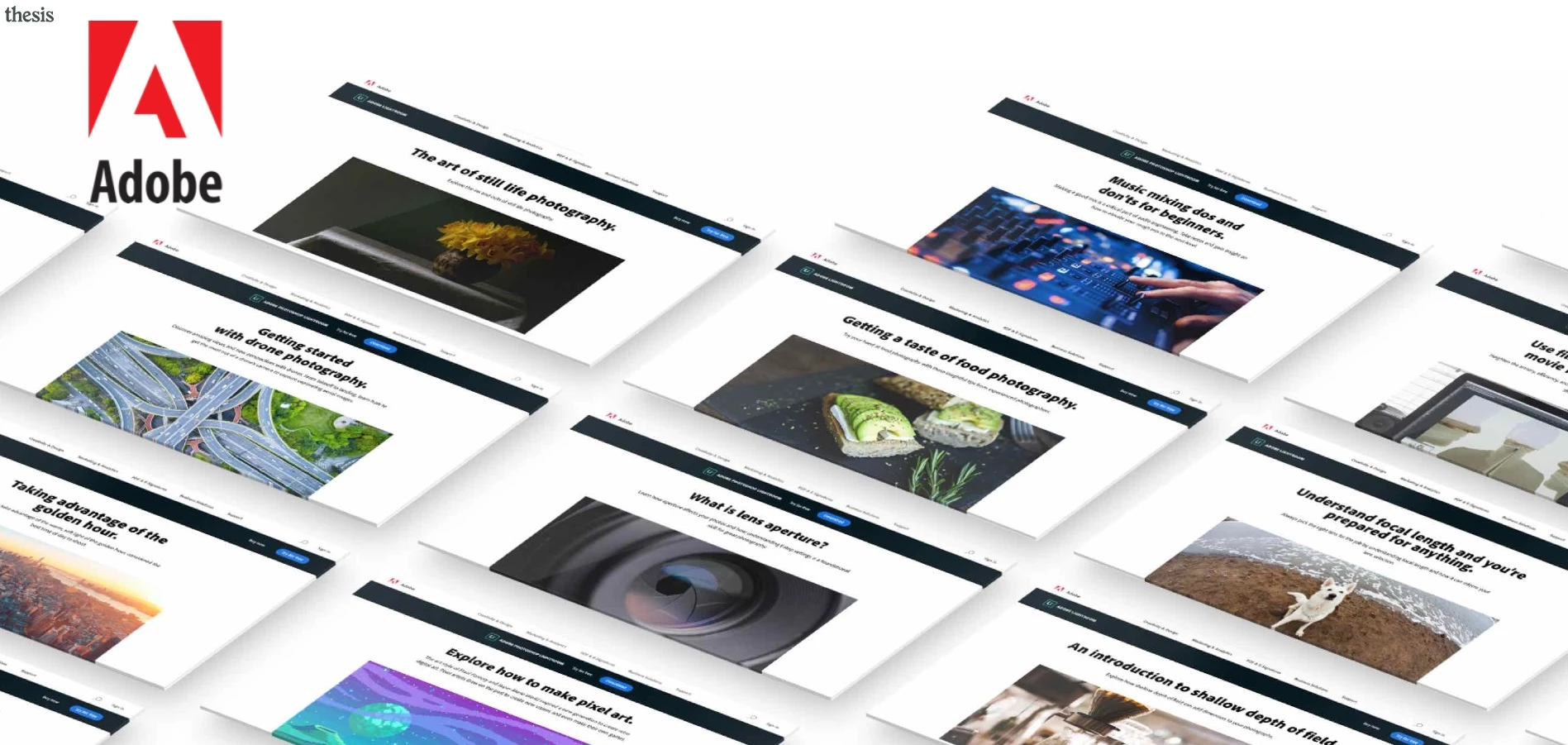
The biggest success that came as a result of these strategies includes Adobe experiencing a 139% increase in revenue driven by organic traffic to these articles.
As per Joe, this is proof that a human-first approach to SEO can be successful.
QGP Founder and CEO Kosta Hristov shares how businesses can integrate human-centric strategies into their SEO efforts to enhance both search rankings and meaningful audience engagement.
"Content is still the king of all SEO strategies!
Businesses should make sure they develop human-centric content that addresses the audience’s needs and pain points.
By prioritizing original, high-quality content that provides unique value tailored to audience needs, businesses can build trust and authority which aligns well with Google's preference for well-researched, engaging content," he says.
For a platform aimed at connecting local businesses with consumers, Thesis employs the following strategies to enhance human connection:
- Showing a face, stepping forward with authenticity and vulnerability to show there’s someone behind it all
- Communicating colloquially and talking to audiences at their level captures the warmth and personality of a small business
- Incorporating extensive customization options into their product to empower small businesses to operate in ways that reflect their unique identity
Brands Should Be Authentic & Relevant
As authenticity in digital marketing is quite important in differentiating from the competition and building deeper connections with the audience, we asked Joe how they at Thesis ensure authenticity and avoid the risk of their campaigns being perceived as insincere.
He emphasized that while marketing involves self-promotion, brands must remain self-aware to be genuine.
Campaigns should serve both the brand and audience by aligning with their values and delivering relevant content. By knowing their audience's values, interests, and pain points, they can create tailored, valuable content like real stories and testimonials that reveal a brand's sincere side.
With storytelling playing a crucial role in authenticity, we also touched upon that matter.
Joe said that it complements their content marketing strategies in drawing the audience and taking it on a compelling journey.
Measuring Human-Centered Digital Marketing
Despite aiming to add a human touch to digital experiences, at Thesis they still evaluate the success of their strategies by looking at numbers.
More specifically, to evaluate the success and impact of human-centered marketing initiatives on customer engagement and brand loyalty they gather data such as:
- Click-through rate (CTR)
- Return On Ad Spend (ROAS)
- Awareness-trial-repeat (ATR)
- Referral quantity
- Growth rate
Joe suggests creating user personas based on behavior to differentiate user mindsets. This approach helps identify each segment's needs and necessary optimizations to encourage return visits, longer engagement, and more sharing.
If you need assistance handling your next SEO project, try partnering with some of the best SEO agencies listed on DesignRush.