

Subway wants to hear about the worst lunch you ever paid for.
The chain is running "Lunchtime Horrors," a Halloween giveaway that asks Americans to confess the bad lunches they bought somewhere else.
Five thousand of them win a $15 Subway eGift card, enough to cover a Footlong.
Subway is spending about $75,000 in gift cards to collect complaints about its competitors, sourced from the exact diners it needs back in the store.
Big Village ran the survey behind the campaign for Subway, polling 1,010 U.S. adults from September 25 to 28.
The survey found that 66% of U.S. adults at least sometimes regret their lunch choice.
Reasons include a meal that didn’t fill them up (34%), one that wasn’t worth the price (28%), and one that was unhealthy (35%).
Enter daily for a chance to win the Subway Lunchtime Horrors Sweepstakes! (1,000 Winners Daily)! 🔗👇 https://t.co/fqxlGn3pcd https://t.co/uMVQm89qVh
— Hunt4Freebies (@Hunt4Freebies) October 12, 2026
The same survey found that 70% of consumers skip lunch at least once a week.
"We make sandwiches, not time machines," Jeff Klein, Subway's U.S. CMO, said in a statement.
"But we can give people something to look forward to at their next lunch."
The giveaway follows September’s launch of "Feed Your SUBconscious," Subway’s latest push to sharpen its brand identity.
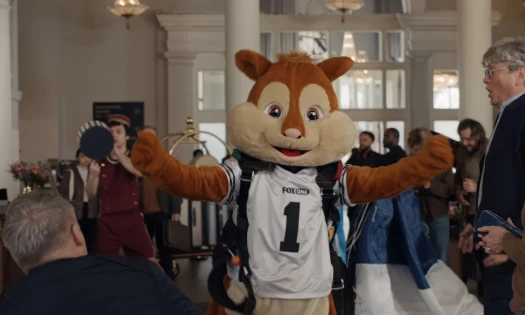
Will Arnett plays the inner voice steering diners toward a fresh meal.
"Feed Your SUBconscious is an invitation to listen to that inner voice that knows what you really want," Klein added.
"This Halloween, we're giving Americans a chance to act on it, with thousands of freshly prepared Footlongs on us."
Entries run from October 12 through 16 across five entry periods, and Subway awards 1,000 gift cards in each one.
Splitting one prize pool into five daily drawings gives entrants a reason to come back every day of the run.
Each return visit hands Subway another shot at lead generation, well past the first confession.
Confessions Open for Five Days
The $20 smoothie, the $25 salad, and the greasy burger set the tone for the stories that Subway is collecting.
Entrants submit their own lunchtime horror stories on the campaign site.
Subway then draws winners at random from each period's pool.
The smoothie, salad, and burger examples come straight from the campaign's 60-second debut spot.
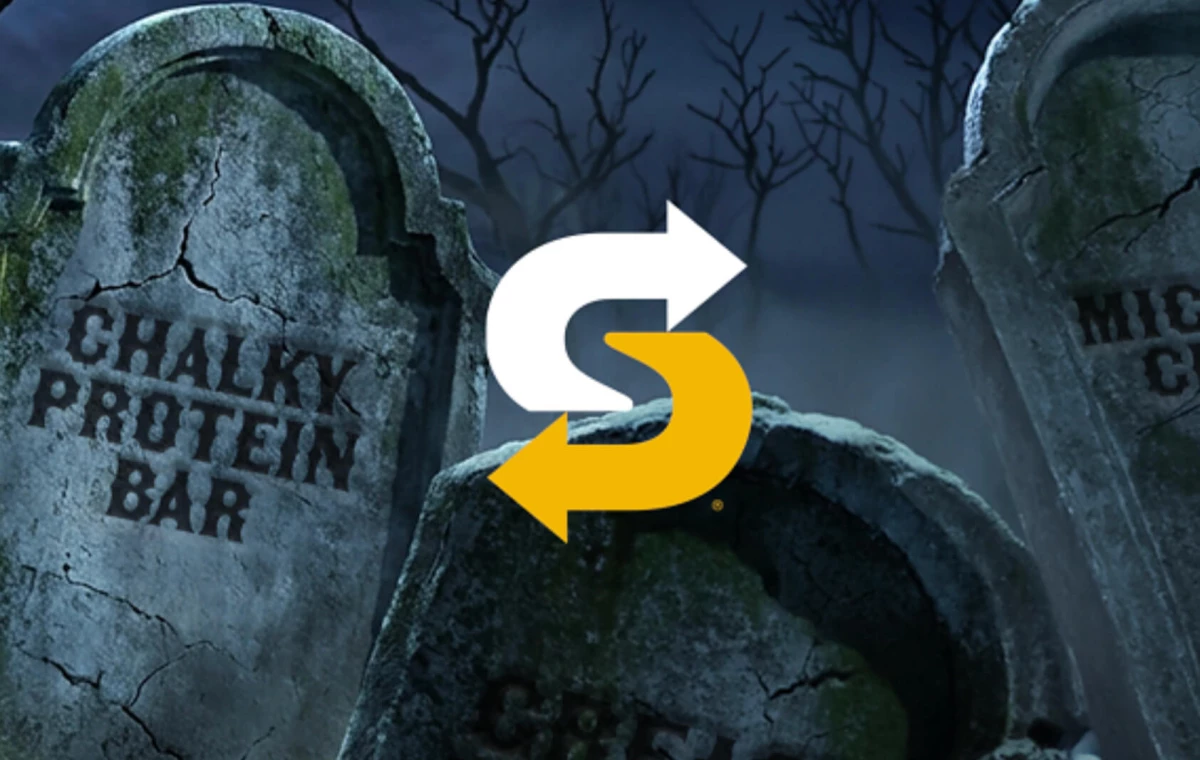
Here, Arnett plays five characters, including a voice that crumbles a woman's dry protein bar in a sauna and talks a cowboy out of his jerky.
"As your SUBconscious, I’m here to remind you how much you want a freshly made Subway Footlong," Arnett said.
The campaign runs across broadcast and streaming television, streaming audio, digital, social media, and in-restaurant channels.
Hanging a holiday promo on an existing platform saves a brand the cost of teaching people a new idea twice.
Subway's brand strategy already told diners to trust their gut, so the giveaway only had to hand them a reason to act on it.
Subway's U.S. Sales Fell 6% in 2025
Subway’s survey numbers describe a shopper who is hungry, price-aware, and open to a better offer.
The sandwich chain ended 2025 with 18,773 U.S. units and domestic sales down roughly 6% to $8.9 billion.
Revenue Management Solutions' Q1 2026 consumer survey found that 72% of consumers said restaurant prices feel higher than a month ago.
Subway’s EMEA team had a different job this fall. On October 8, the region announced "Blueprint."
Every new restaurant and remodel in the region has to follow the format starting January 1, 2027.
Saatchi & Saatchi's "Get Your Own Way" campaign is its public face.
A five-year remodel mandate and a five-day sweepstakes came out of the same company four days apart, with no single marketing chief over both.
Subway cut its global CMO role in the spring, so EMEA CMO Louise Wardle and U.S. CMO Jeff Klein each write their own brand promise now.
"Lunchtime Horrors" is what Klein's half of this structure produces, a fast consumer promo pinned to a calendar date.
Brands running a complaint-led promotion can borrow three moves:
- Mine the survey for the story: Subway’s figures gave the campaign a headline before the first entry arrived.
- Cap the window at one week: A five-day entry period creates urgency and keeps promotional marketing spend predictable.
- Reward the confession with the product: A $15 card sized to a Footlong sends every winner into a restaurant.
A confession form collects complaint data from the people most likely to switch, and brands usually pay agencies well for research like this.
Subway got it for $75,000 in gift cards, which makes promotional marketing double as a competitive audit.
Our Take: Will Customers Confess to Subway?
Subway is asking people to admit what went wrong with their last lunch, and the Halloween angle keeps the tone light.
We like that the diner is the one who gets to laugh at the $25 salad, with no lecture from the brand.
While Subway now knows what it can do right that others do wrong, the confessors also get a footlong, making this a win-win for the brand and consumer.
The hard part comes after October 19, when winners walk in with a $15 card, and the experience depends on whoever is working the counter.
A fresh, quick Footlong will back up every claim in the Arnett ads. A slow, sloppy one will undo them.
After all, a promo can only be as good as the brand's customer experience.
Marketing efforts that connect a cultural moment to a core brand truth are rare and hard to execute.
These top creative agencies in our directory specialize in finding those connections and building campaigns around them.