
Brand Strategy: Key Findings
- B2B brands with aligned messaging across all channels can see revenue lift up to 23%.
- Clear positioning, messaging pillars, and a unified brand guide ensure buyers stay engaged and move through the funnel.
- Strategic brand work, when tied to KPIs, transforms abstract equity into measurable revenue, retention, and faster deal cycles.
B2B buyers expect one, consistent brand across every channel.
Fail to deliver, and they will walk.
Buyers use about 10 channels on average. Of those who do, more than half reported to McKinsey’s 2024 B2B Pulse that they want a true omnichannel experience.
If the journey is bumpy, they’ll switch.
And this is a major business problem, not a design tidy-up. While technical skills can open the door, and features get you in the meeting, clear, consistent messaging still wins the deal.
If buyers are dropping out, fix the story they see everywhere with:
- Clear positioning to define the who, what, and why
- Messaging pillars that reflect buyer-focused claims and proof
- A brand guide that reflects voice, visuals, and usage rules
- A content-first website that features buyer questions and clear next steps
Together, these pillars could increase revenue by as much as 23%, according to a Marq State of Brand Consistency report.
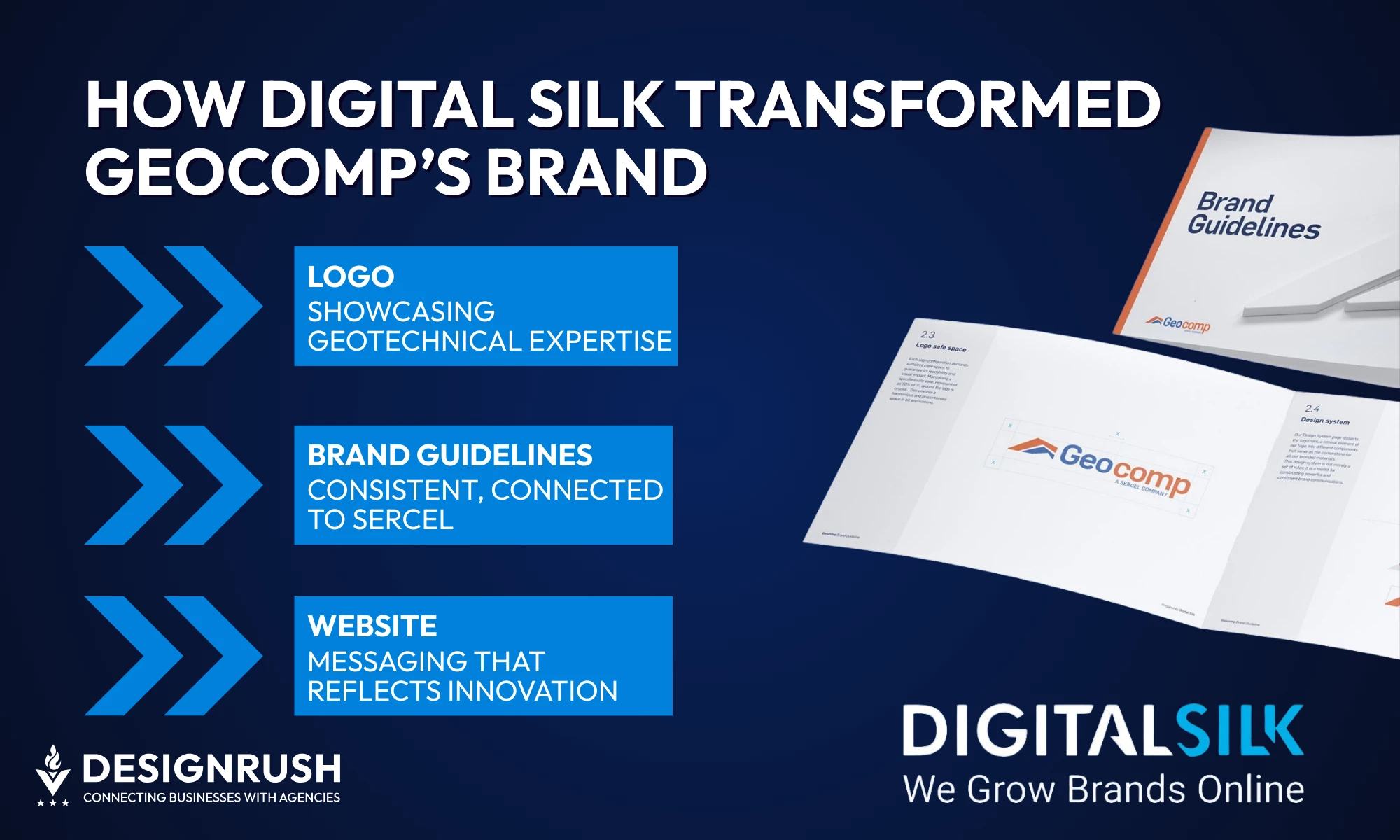
Geocomp’s brand refresh, developed in collaboration with award-winning full-service agency Digital Silk, aligns brand work directly with business goals.
Core values, communication pillars, and a tightened value proposition were defined to drive growth.
Editor's note: This is a sponsored article created in partnership with Digital Silk.
The refresh produced a bold logo that reflects the company’s engineering expertise, brand guidelines aligned with parent company Sercel, and website messaging designed to engage the right clients.
Together, those factors turned the brand into a growth tool that wins market share, keeps clients engaged, and justifies premium pricing.
This is what happens when every touchpoint shares the same strategic intent: brand equity stops being abstract and shows up in the KPIs.
Watch this video to learn how to brand your business:
From Brand Work to Measurable Growth
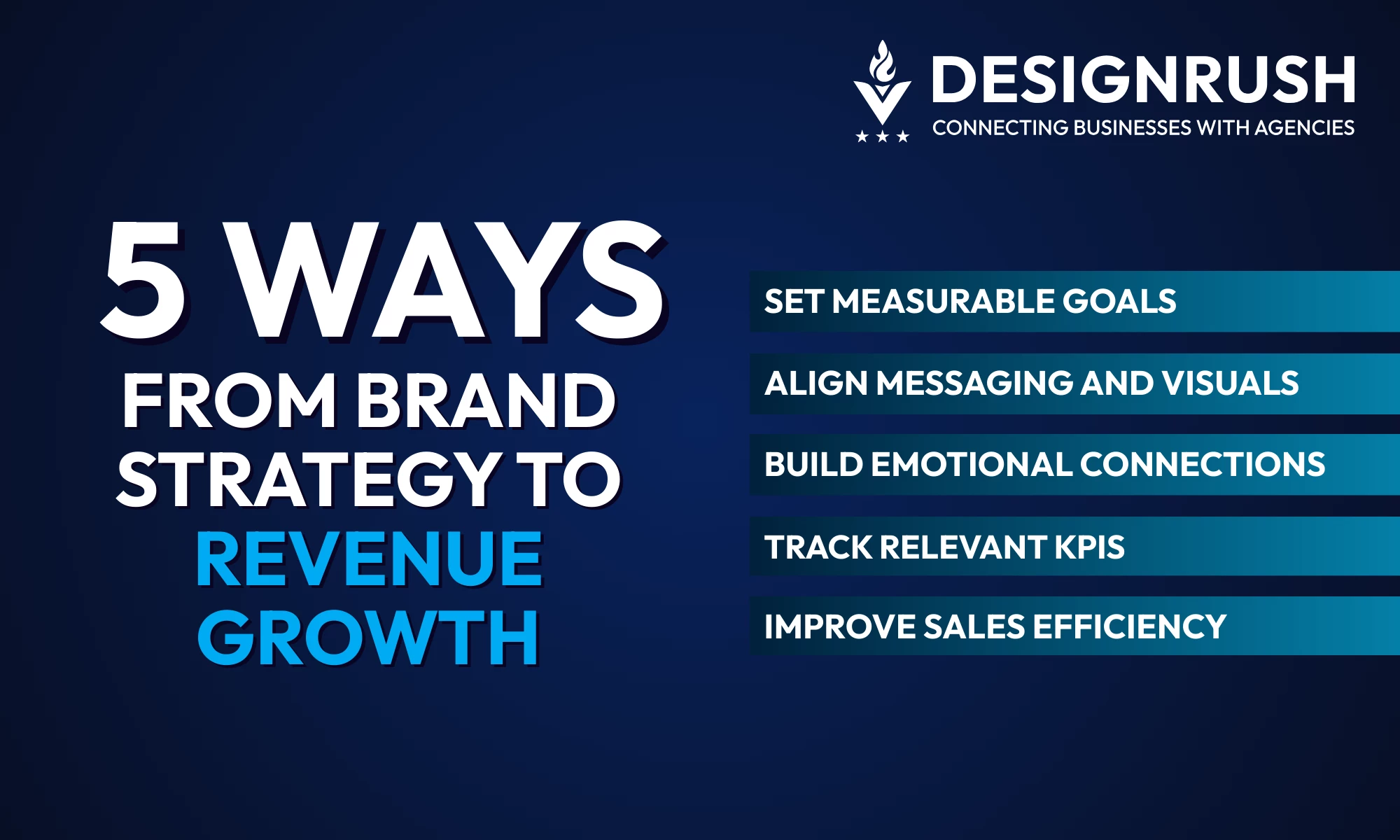
Now make that intent count with five practical moves to connect brand work to revenue, retention, and faster sales.
- Start with measurable goals. Effective campaign design begins with clear targets such as reducing acquisition costs, lifting lifetime value, or increasing brand awareness.
- Create cohesion across messaging, visuals, and experience. A strong brand strategy aligns what you say, how you look, and how customers interact with you.
- Lay strategic foundations that connect both emotionally and rationally. In digital marketing, strong branding goes beyond logos to build trust, recognition, and loyalty through storytelling, authenticity, and alignment with your audience.
- Track structured, business-relevant KPIs. A solid digital marketing strategy measures goals like revenue growth, targeted traffic, conversion rates, retention, and customer loyalty. These metrics link branding directly to business performance.
- Improve sales pipeline efficiency. Among key digital marketing KPIs, pipeline speed tracks how quickly qualified opportunities move through the funnel. A clear brand narrative and focused messaging reduce friction and shorten the time to close deals.
A strong brand strategy is not a creative exercise. It is a revenue lever that shapes buyer perception and drives results.
Geocomp’s refresh, as developed by Digital Silk, shows how consistent messaging across touchpoints supports engagement and growth.
A brand messaging audit, as outlined by CEO Gabriel Shaoolian, uncovers where your story breaks down so you can fix it before it impacts conversions.
With every touchpoint aligned, brand equity becomes measurable in revenue, retention, and sales velocity.