
Shake Shack's 'We Really Cook' Campaign: Key Findings
- The chain chose social feeds and earned media over a Super Bowl spot, investing in practical cooking education instead.
- School of Shack cooking classes will launch March 12 in Atlanta, and are open to all fast food employees (including competitors).
- CEO Rob Lynch's New York Times open letter poses a category-wide challenge about what fast food preparation should look like in 2026.

Campaign Snapshot
Shake Shack just told the fast food industry that real cooking is still important, and it's putting its money where its mouth is.
The chain launched "We Really Cook" this week, skipping the Super Bowl to invest in teaching fast food workers how to sharpen their culinary skills.
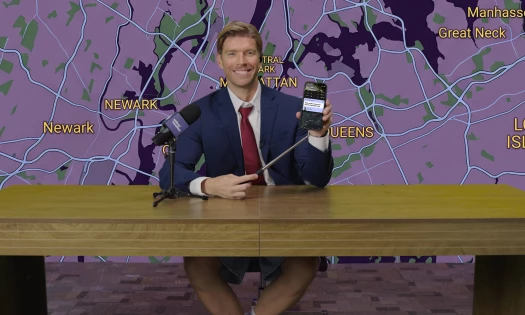
Created with independent agency Öpinionated, digital spots featuring recipes from Shake Shack's Korean-style menu will run across Netflix Pause Ads, iHeartRadio, and Snapchat Promoted Places.
View this post on Instagram
The campaign centers on School of Shack, a cooking class series that will be led by Executive Chef John Karangis.
The classes are open toanyone in the industry, including competitors.
Shake Shack's choice to promote education over advertising shows how it aims to build long-term brand affinity rather than rely on short-term exposure.
Real Cooking Skills as Competitive Positioning
Live sessions of the cooking classes will begin on March 12 at Shake Shack's Atlanta Support Center.
The first class will be free to watch on YouTube on March 17.
CEO Rob Lynch also ran a full-page print ad in last week's New York Times and posted a LinkedIn video, personally inviting fast food employees to learn.
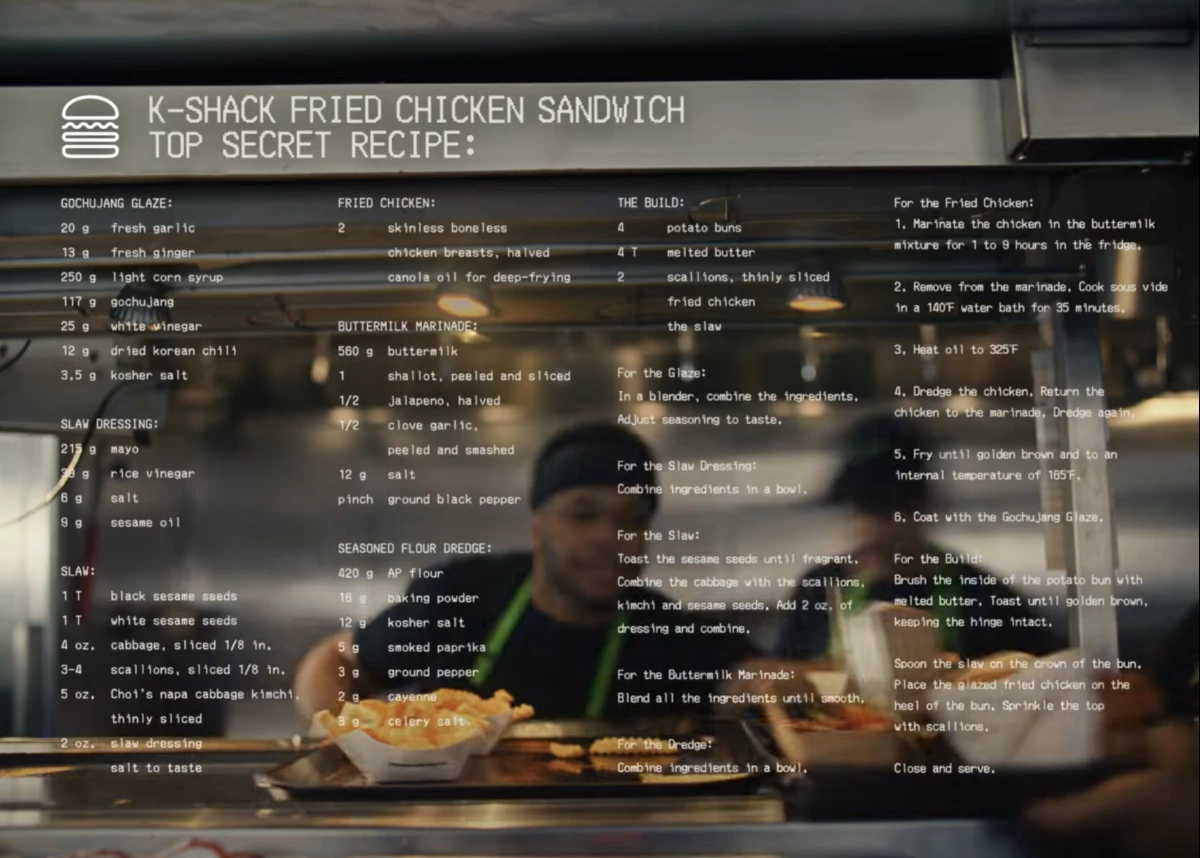
The chain's newly added K-Shack Fried Chicken Sandwich also serves as a proof point.
It's made to order using hand-breaded chicken, freshly chopped scallions, Choi's Kimchi, and gochujang glaze (Korean chili paste).
Digital spots share the actual recipe with paused frames to make sure viewers can follow the steps.
View this post on Instagram
Shake Shack Chief Brand Officer Michael Fanuele positions the campaign as an industry-wide call for better cooking standards:
"This isn't a dig at any competitor. It's about standing up for what we've believed in since day one, that fast food doesn't have to mean thoughtless food," he explains.
The approach reinforces Shake Shack’s brand message by actually demonstrating what its standards look like in practice.
Showing its cooking skills openly gives Shake Shack’s quality claims something people can actually see and judge for themselves.
Why Skip the Super Bowl?
Rather than spending $8 million on 30 seconds of broadcast exposure, the chain is targeting people in their feeds with practical cooking content they can actually use.
As part of the campaign, operational improvements will be implemented that will cut one minute from wait times while maintaining made-to-order quality.
@shakeshack Cooking a burger > assembling a burger #ShakeShack♬ RUNNER - Actress
Recent kitchen innovations include new ovens for bacon that free up flattop space for burgers.
The timing of the campaign also isn't accidental.
Shake Shack posted 20 straight quarters of same-store sales growth and saw traffic increase 1.3% in Q3 2025.
This makes it one of the few fast-casual chains gaining customers while competitors are losing ground.
While other brands are dropping millions on Super Bowl spots, Shake Shack went a different route entirely, leaving three lessons for brands willing to go against the grain:
- Teach instead of tell: Offering practical skills creates a deeper brand association than most quality claims can.
- Invite competitors in: Opening training to rivals shows Shake Shack's confidence in its execution.
- Engage audiences where they scroll: Social feeds have the ability to reach people repeatedly, instead of once during a short commercial break.
Brands investing in long-term industry credibility may see more return than those chasing a single-moment visibility.
Our Take: Does Teaching Competitors Make Sense?
I think Shake Shack's take on cooking education is smarter than a Super Bowl spot would have been.
Opening the School of Shack to everyone, including competitors, shows the chain's confidence in its brand positioning.
If your brand depends on keeping your techniques secret, you probably don't have much differentiation worth protecting.
Whether this changes how the industry approaches food preparation remains to be seen, but Shake Shack just made a strong case that real cooking still matters in fast food.
In other news, Uber Eats is reuniting the 'Dazed and Confused' cast for its sixth consecutive Super Bowl appearance, proving many brands still see value in Big Game advertising.
Brands building campaigns around culinary craft and industry leadership need partners who understand how education scales into brand positioning.
Explore top food and beverage branding agencies in our directory.