
PPC ads can make your business 50% more likely to convert visitors than playing the slow organic game. That’s not just a stat; it’s a neon sign screaming, “Opportunity ahead!” For small businesses trying to stay afloat in today’s shark tank, PPC isn’t optional — it’s survival of the fittest.
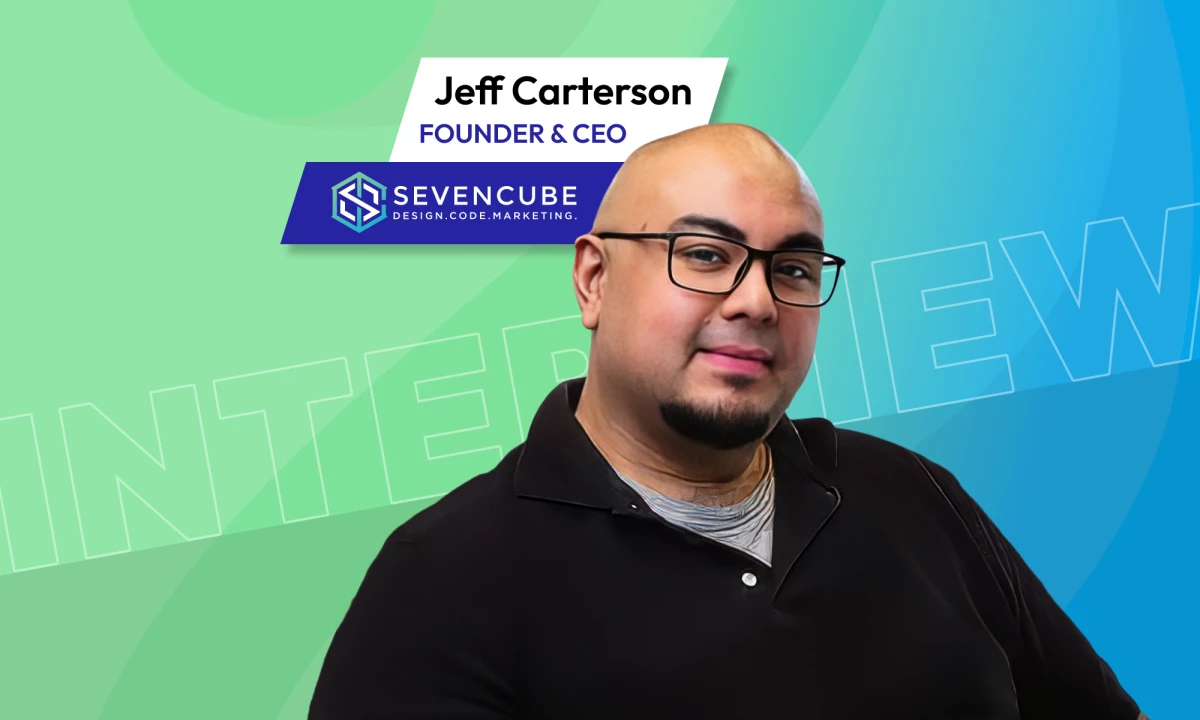
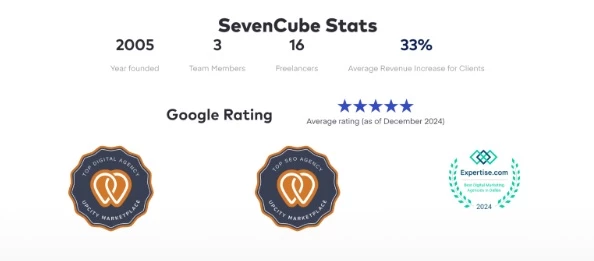
Enter Jeff Carterson, the mastermind behind SevenCube, a marketing agency dedicated to empowering small businesses since 2005. Jeff doesn’t just dabble in PPC; he’s turned it into an ROI-generating machine, transforming tight budgets into big wins.
Today, we’re pulling back the curtain on his top strategies for making PPC work harder, smarter, and faster — along with how he masterfully blends it with SEO for maximum impact. Let’s get into it.

Who Is Jeff Carterson?
As the driving force behind SevenCube, Jeff Carterson has spent nearly two decades perfecting marketing strategies for small businesses. His mission? To offer boutique-level creativity with corporate-level results minus the jaw-dropping price tags. Jeff’s expertise in PPC has helped SevenCube become a trusted partner for businesses aiming to make every dollar count.
One of the biggest misconceptions about advertising with PPC is that it’s a short-term play. Jeff disagrees:
“While PPC is excellent for generating immediate visibility and leads, it can absolutely be part of a sustainable long-term strategy.
With tactics like retargeting, consistent ad optimization, and data-driven adjustments, PPC campaigns become more efficient over time. You drive down cost per acquisition and deliver a solid ROI.”
But what about trust? Many users tend to view organic search results as more credible than paid ads. Jeff addresses this head-on by focusing on relevance.
“Effective PPC ads overcome this perception by addressing user intent. High-quality, targeted ad copy, ad extensions that add value, and optimized landing pages ensure the user experience is seamless and relevant. Ultimately, if you’re delivering exactly what someone is looking for, they don’t care if it’s an ad.”
SEO vs. PPC — Which Delivers Better ROI?
When it comes to small businesses, the debate between PPC and SEO often boils down to one question: Which delivers better ROI? Jeff says the answer depends on your goals and timeline.
“For small businesses, PPC can provide quicker results and immediate visibility, which is essential for generating leads early on.
SEO, on the other hand, compounds value over time and often delivers higher long-term ROI.”
At SevenCube, Jeff uses a blended model to maximize returns.
“First, we allocate 80% of the budget to PPC and 20% to SEO. As organic presence grows, we then adjust that split based on performance.”
Jeff highlights a case study to illustrate this approach. A local mortgage company initially relied on PPC to generate leads quickly.
Over the course of 12 months, SEO efforts improved their organic rankings, reducing their reliance on ads. Jeff adds:
“Within 12 months, 70% of their leads came from organic search, significantly lowering their overall cost per lead. The key factors were targeted ad campaigns, consistent SEO, and a user-friendly website.”
How to Allocate Your PPC Budget for Maximum ROI
For small businesses, every dollar counts. Jeff emphasizes the importance of prioritizing PPC in the early stages to gain traction:
“Small businesses should allocate 60-70% of their budget to PPC initially,” he advises.
“This allows you to capture leads quickly. From there, it’s all about testing, adjusting, and letting data guide your decisions.”
What factors should businesses consider when splitting their budget?
According to Jeff, industry competition, audience behavior, and short vs. long-term goals all play a role. Platforms like Google Ads and LinkedIn are especially effective for small businesses because of their precise targeting capabilities.
“Whether it’s job titles, industries, or specific pain points, these platforms let you deliver ads that feel personalized.”
Integrating PPC Into a Holistic Strategy
Relying solely on PPC is like betting all your chips on one hand — risky. Jeff stresses the importance of a balanced marketing strategy:
“PPC is a great tool, but it works best when integrated with SEO, content marketing, and email campaigns.
This not only diversifies your lead sources but also builds trust and authority over time. It’s about lowering cost per acquisition while creating a sustainable system.”
He also points to emerging platforms like TikTok as untapped opportunities for businesses willing to adapt.
“TikTok’s casual, fast-paced nature might seem tricky for B2B, but it is possible to humanize your brand and stay relevant at the same time. Decision-makers are still people, and engaging, authentic content resonates.”
SevenCube's Top PPC Tips for Small Business Success
Jeff’s advice for small businesses diving into PPC? Start smart and stay strategic:
- Leverage platforms like Google Ads and LinkedIn: These platforms’ precise targeting capabilities make them a top choice for small businesses that work with limited budgets. Whether it'stargeting specific job titles or industries, the ROI can be significant when campaigns are well-tailored.
- Prioritize relevance and user experience: "Keeping ads relevant to user’s search queries and providing a smooth landing page experience are key factors in ensuring high click-through rates," Jeff shares. Align your ads with user intent and ensure your landing pages deliver on promises.
- Adapt to new platforms: TikTok might not seem like the obvious choice for B2B, but Jeff encourages businesses to explore it, stating, “If you’re targeting decision-makers, find ways to blend professionalism with relatability. Authenticity wins.”
- Balance short-term and long-term growth: SevenCube uses a blended model for their clients, by allocating 80% of the budget to PPC and 20% to SEO, at first. "This allows for immediate visibility while SEO builds organic presence over time," Jeff explains. "Over time, based on performance, we adjust the allocation to maximize ROI."
Jeff leaves you with a final piece of wisdom to shape your marketing strategy:
“Success isn’t about choosing PPC or SEO. It’s about building a strategy that combines short-term wins and long-term growth.”