
Ro is making a case for human experience as an advertising advantage.
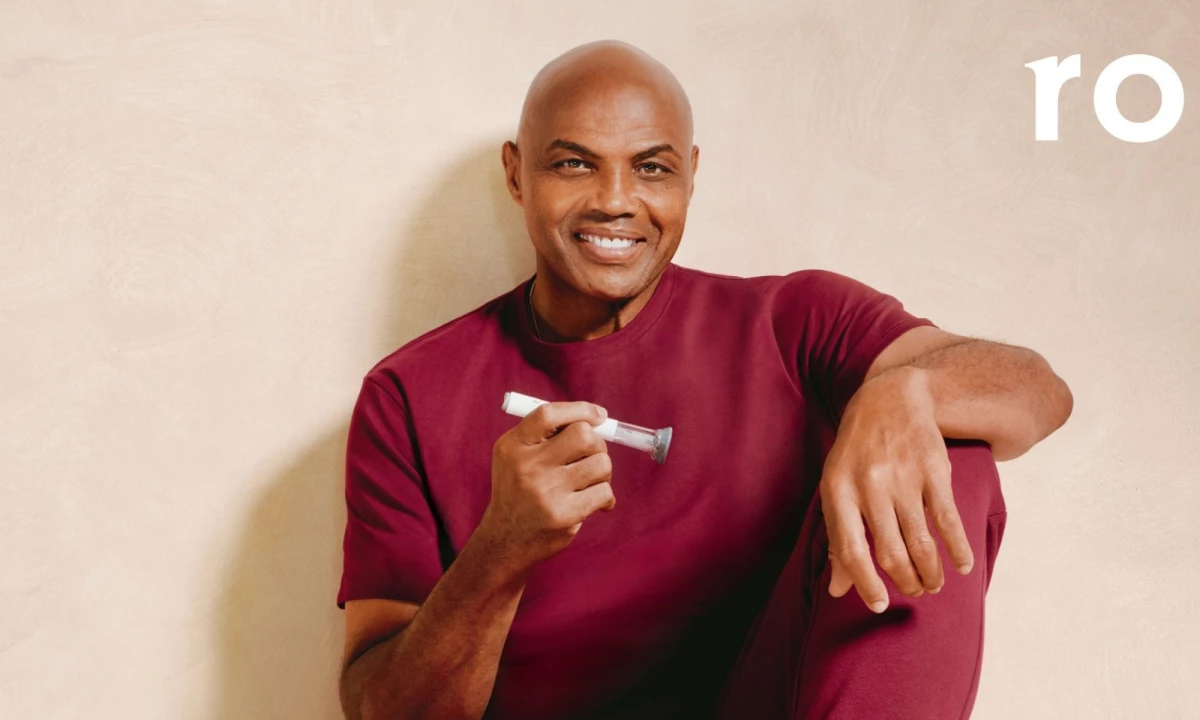
Its latest commercials feature NBA legend Charles Barkley discussing his weight-loss treatment through two comedy-driven scenarios.
The campaign arrives as more brands turn to generative AI to produce ads faster.
A September 2026 Harvard Business Review study found that AI-made video ads scored lower on sales potential and brand equity than human-made ones.
That's why Ro is investing in authentic human stories through long-term celebrity partnerships.
Barkley, who says he has lost 48 pounds on Ro, returns in two spots.
One jokes about his oversized wardrobe after losing weight. The other pokes fun at quick-fix diets through an ill-fated sardine experiment.
The company promotes real patient experiences as a differentiator while using celebrity personalities to sell products.
Ro Co-Founder and Chief Product Officer Saman Rahmanian told Variety that the brand starts from each celebrity's existing persona.
"We work with the person authentically. We build on who the person is," Rahmanian said.
"In all cases, we try to find a real connection between the person and what the conversation is that we're trying to move forward?
What’s an idea that would not work with anybody else?"
Ro has to prove its celebrity endorsements can deliver the credibility that its patient-led marketing promises.
The brand is running the test with an endorser who openly jokes about his own failed diets on camera.
Ro Uses Barkley's Weight Loss For Set Comedy
The two new commercials use a mock production set to make Barkley's personality part of the sales pitch.
In the first spot, Barkley opens with a straightforward endorsement of GLP-1 treatment.
He says he lost 48 pounds on Ro before announcing, "Nailed it. That's a wrap."
The crew immediately breaks the illusion.
One member questions how long Barkley will keep the weight off, while another brings up his previous sardine diet.
Barkley eventually responds to the crew's comments, making his irritation part of the joke.
The second commercial uses a similar setup to address the practical consequences of weight loss.
Barkley delivers a line about Ro's affordable treatment options before the crew starts mocking his oversized suit.
The insults include references to shoulder pads and an offseason Santa Claus.
It also plays on the reactions that the NBA Hall of Famer received during his March Madness broadcasts this year.
Barkley hears every word and fires back.
Both commercials use the same staged behind-the-scenes format.
The crew's interruptions give the spots a loose, conversational feel, even though the exchanges are scripted.
Why does Charles Barkley look like a child wearing their father’s suit? Some one get this man a tailor 😭 #MarchMadness https://t.co/9z6u0H9acX
— CookinWithGasPodcast (@CWGPodcast) March 20, 2026
Ro's 2025 "Big Mouth" campaign, Barkley's debut for the brand, used fictional behind-the-scenes interactions, too.
The new spots revive the format, using Barkley's off-camera personality to joke about familiar weight-loss experiences.
A recurring comedy lets Ro use its celebrity ambassadors to make treatment conversations easier to approach.
GLP-1 Demand Gives Patient Stories More Weight
Ro's human-first strategy comes as GLP-1 use continues to rise in the U.S.
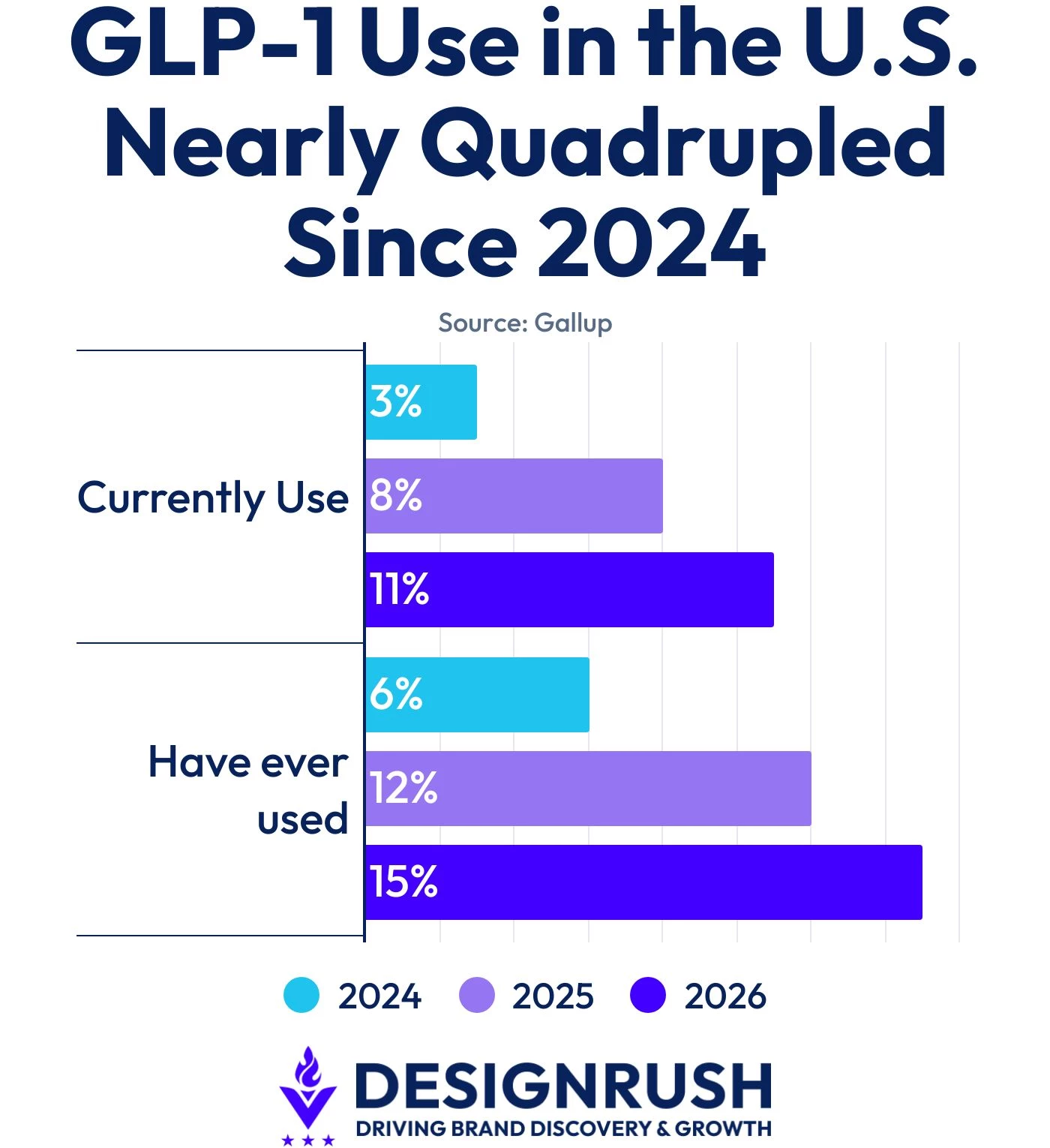
According to Gallup's 2026 National Health and Well-Being Index, 11% of U.S. adults currently use GLP-1 medications for weight loss.
According to Gallup's September 2026 update, 11% of U.S. adults currently use GLP-1 medications for weight loss, which stood at 3% in 2024.
Awareness climbed, too, with 91% of Americans now familiar with GLP-1 weight-loss drugs, up from 80% in 2024.
High brand awareness lets telehealth companies reach consumers who already know the treatments.
Three marketing lessons stand out from this approach.
- Familiarity lowers the education barrier. Healthcare brands should use patient stories to explain treatment experiences to make options more relatable.
- Growing use creates demand for trusted voices. Telehealth companies should feature credible ambassadors to build confidence among prospective customers.
- Category growth raises the stakes for differentiation. Marketers should connect personal experiences with clear treatment information to earn consumer trust.
As more consumers become familiar with treatments, credible partnerships give telehealth companies a larger audience to convert into customers.
Our Take: Can Human Stories Compete With AI Advertising?
Human stories give healthcare advertising a source of credibility that AI-generated creative cannot independently provide.
Ro is making a commercial bet on personal experiences as production tools make polished ads easier to produce.
We'd put human stories ahead of AI ads whenever viewers can check them, the way they can check Barkley's waistline every time he's on air.
A celebrity's personal account can make a treatment feel relatable, but scripted dialogue and staged interactions still require transparency.
As synthetic content becomes harder to distinguish from genuine accounts, brands will face greater pressure to substantiate the human stories they sell.
Serena Williams uses her GLP-1 story to normalize weight-loss treatment for Ro while also fronting Factor's GLP-1-friendly meals.
Healthcare brands need creative partners who can make complex treatments relatable without compromising credibility.
Explore these top healthcare marketing agencies to find a team that can turn patient stories into effective campaigns.