
Sam Altman's Quick Response to GPT-5 Backlash: Key Findings
- Launching to high expectations: With hundreds of millions of people regularly using ChatGPT, the latest model is highly anticipated.
- Immediate user disappointment: A Reddit thread criticizing GPT-5 drew over 6,000 engaged users within days, with comments calling it “horrible” and “soulless.”
- CEO-led response: Altman admitted OpenAI's shortsightedness and directly addressed the backlash on Reddit and X, announcing GPT-4o’s return and doubling GPT-5 usage limits.
- Lesson for marketers: Altman and his team prevented GPT-5 from becoming a "New Coke" incident with quick actions and real solutions.
Quick listen: How Sam Altman’s hands-on response kept GPT-5 from becoming another “New Coke,” proving why CEO presence is sometimes a brand’s best crisis tool.
OpenAI launched its latest model, GPT-5, last week.
ChatGPT now has about 700 million weekly users, and it has become the go-to AI tool for professionals, students, and more.
CEO Sam Altman touted GPT-5 as "a major upgrade to GPT-4o and a significant step along our path to AGI."
"We think you will love using GPT-5 much more than any previous AI. It is useful. It is smart. It is fast. It is intuitive," Altman added.
To say that the hype and expectations were high is an understatement.
GPT-5 is here.
— OpenAI (@OpenAI) August 7, 2025
Rolling out to everyone starting today.https://t.co/rOcZ8J2btIpic.twitter.com/dk6zLTe04s
However, many were quickly disappointed due to GPT-5's lackluster performance, as well as how, all of a sudden, the older models were no longer available.
Reddit was soon flooded with criticisms and complaints against the new model.
In fact, a thread titled, "GPT5 is horrible," drew about 6,300 engaged users and 2,300 comments.
One of these states, "Sounds like an [OpenAI] version of 'Shrinkflation.'" This one has 888 upvotes.
Another wrote, "It's like my chatGPT suffered a severe brain injury and forgot how to read. It is atrocious now."
Meanwhile, one post about how "GPT-5 struggles with basic questions" now has nearly 7,000 upvotes.
Another frustration users have is that GPT-5 has no personality. It's simply not fun to chat with it anymore.
People were quick to post on major social media platforms with criticisms, with many even using the hashtag #BringBackGPT4o.
"Chat GPT 5 was never created to be a new, more performative model, it was used to get rid of free users, see, it required too much money for them to allow free users on it," a Reddit user posted.
Visual comparisons were also common, with one showing a photo of the sleek Eiffel Tower with the caption "what was promised."
On the other side is a photo of a clunky tower, tagged what "they delivered" with GPT-5.
The core issues are that GPT-5 feels too formal and restrictive, and ChatGPT’s previously generous message cap was slashed.
GPT-5 they promised vs GPT-5 they delivered. pic.twitter.com/kGRYz9R59U
— AshutoshShrivastava (@ai_for_success) August 8, 2025
To top it off, the option to revert to what people were used to wasn't available anymore.
"I truly miss GPT-4o. It was kind, warm, and always emotionally supportive. I really want the option to choose it again.
The current GPT-5 feels robotic and cold. If this continues, I’m seriously thinking of canceling my subscription," one user posted on X.
In short, OpenAI inadvertently broke a golden rule of customer experience: Don’t yank away what your customers love without a better replacement ready.
CEO Presence Makes All the Difference
I'm sure OpenAI has someone always monitoring user reactions on social media, especially after a major launch.
And seeing all these, Altman himself led the charge in addressing the complaints and providing a solution.
The CEO who had been the charismatic face of ChatGPT’s rise, wasted no time engaging the community.
He and key team members hosted a Reddit AMA session to field unfiltered questions from users the next day.
One user requested, "Bring back 4o please. Don’t remove variants — people have different styles!”
And the CEO answered, “ok, we hear you all on 4o; thanks for the time to give us the feedback (and the passion!). [W]e are going to bring it back for plus users, and will watch usage to determine how long to support it.”
Altman also took to X to transparently address the situation, admitting how they have "for sure underestimated" how users love GPT-4o and have gotten used to its experience.
In another post, he assured people that OpenAI will "double GPT-5 rate limits" for Plus users, even adding that:
"GPT-5 will seem smarter starting today. Yesterday, the autoswitcher broke and was out of commission for a chunk of the day, and the result was GPT-5 seemed way dumber."
Wanted to provide more updates on the GPT-5 rollout and changes we are making heading into the weekend.
— Sam Altman (@sama) August 8, 2025
1. We for sure underestimated how much some of the things that people like in GPT-4o matter to them, even if GPT-5 performs better in most ways.
2. Users have very different…
Altman’s visible presence and engagement proved critical. His candor was paired with concrete action.
"We are going to focus on finishing the GPT-5 rollout and getting things stable (we are now out to 100% of Pro users, and getting close to 100% of all users).
[A]nd then we are going to focus on some changes to GPT-5 to make it warmer. Really good per-user customization will take longer," Altman explained.
And it wasn't just Altman who confronted the problem head-on. OpenAI CFO Nick Turley also acknowledged the company's error.
“In retrospect, not continuing to offer 4o, at least in the interim, was a miss,” he told The Verge.
“It’s not just change that is difficult for folks, it’s also the fact that people can have such a strong feeling about the personality of a model.”
Sam Altman addressed the emotional crisis after GPT-4o was replaced, admitting people formed deeper attachments to AI than previous technology. He warned about AI psychosis where mentally fragile users get their delusions reinforced by sycophantic AI models. OpenAI now plans to pic.twitter.com/oRjHqKw4YC
— Kyle Balmer (@iamkylebalmer) August 13, 2025
I think the CEO and CFO's response is complete. It showed how he (and the rest of his team) understood better now what users expect from GPT-5.
And they vary a lot. As he said, some would want emojis while others think they're distractions.
What I love about how he approached crisis communication is that he also set clear expectations as to when users can expect these changes to be implemented.
This is very important because it not only prevents further and future backlash, but it also makes people understand what's going on and that their concerns will be addressed in due time.
Lessons From the GPT-5 'New Coke' Moment
This situation reminded me of Coca-Cola’s infamous New Coke blunder in 1985, which cost the soda giant tens of millions in unsold products.
Coke underestimated emotional attachment to its original formula and had to backtrack.
OpenAI made a similar miscalculation, but avoided a drawn-out crisis and huge losses by acting fast.
This could easily have been one of the biggest brand failures in modern times, like New Coke still is in pop culture.
But the OpenAI CEO is having none of that, engaging with users to show that he cares and values their opinions.
For this big person to communicate with customers directly and roll out fixes within 48 hours proves real empathy, one of the best qualities to have in a leader.
Altman's rapid response stood in stark contrast to the usual corporate runaround, where it would take days before an official statement was made, all done in a very formal manner.
I'd of course take this rather than the corporate approach or someone with a high-and-mighty, take-it-or-leave-it attitude.
Another incident comes to mind: when Elon Musk rebranded Twitter to X so suddenly.
View this post on Instagram
It was like he wanted to show the world he could do whatever he wanted with it without any consideration for its users.
And two years later, 55% of U.S. users still call it Twitter.
Thankfully, Altman isn't like his estranged co-founder. The way he handled this crisis is something that will become part of his company's brand identity and narrative.
I'm sure that, like me, the tech community took note that OpenAI's leadership was willing to own mistakes and fix them in public view.
It will become known as a brand that empathizes with its users and addresses problems promptly.
Backlash can either erode brand loyalty or deepen it, depending on how you respond.
Here’s what OpenAI and Altman got right after the GPT-5 miss:
- Meet users where they are: Altman engaged directly on Reddit and X, the platforms where the outrage was loudest.
- Act before the narrative hardens: GPT-4o’s return and GPT-5’s updates were announced within 48 hours.
- Explain what and why it happened: Both Altman and Turley admitted their errors and clarified that the goal was simplicity, not cost-cutting, which actually tempered some anger.
- Acknowledge emotions: Recognizing the personal attachment to GPT-4o made the response feel more human.
And again, it's a major plus point that the CEO and CFO themselves stepped up to accept responsibility, share details about what actually happened, and provide clear solutions.
View this post on Instagram
In AI, performance benchmarks matter, but so does personality fit.
Users may choose a model that “feels right” even if another scores higher in raw capabilities.
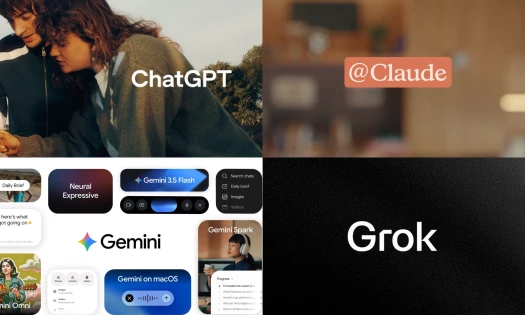
OpenAI’s quick crisis response to restore GPT-4o was also about retaining its competitive edge against Anthropic’s Claude, Google’s Gemini, Meta’s Llama, and xAI’s Grok.
And I think it did pretty well in this matter. The CEO himself openly recognized and addressed the issue. This matters a lot to loyal users.
Why Agencies Matter in Crisis Prevention and Control
On the other side of brands, this incident highlights why outside expertise is valuable, especially when it comes to developing product launches.
Sometimes, brand leaders are too close to the project that they fail to see how a major product or service change will be viewed by the ones who will actually use it.
As AI products become more powerful but also more unpredictable, companies will need partners who can:
- Spot risks before launch: Identify potential user pain points and public perception issues early, so they can be addressed before going live.
- Craft clear transition messaging: Communicate upcoming changes in plain, user-friendly language before they roll out.
- Monitor and interpret sentiment: Actually identify what’s driving emotions, whether positive or negative.
- Bridge product and marketing: Ensure user feedback reaches product teams quickly so updates align with the brand’s voice and promise.
- Design rapid-response plans: Prepare for high-volume feedback cycles with predefined steps so the brand can respond quickly and consistently.
When the right agencies are involved early on, they can help brands avoid being blindsided by reactions that could have been predicted.
They bring a level of foresight, agility, and crisis readiness that’s hard to maintain in-house alone.
Especially in the AI sector, where user sentiment can change overnight, this outside perspective can mean the difference between a rocky launch that erodes trust and a responsive moment that strengthens it.
It can also turn what could have been a really damaging rollout into a moment that reinforces loyalty and confidence in the brand.
Strong launches aren’t just about the product. These agencies help brands prepare for public reaction and keep momentum intact: