
Pinterest shares rose nearly 6% after the company announced a $4 billion cloud deal with Amazon Web Services (AWS), according to Reuters.
An investment of that magnitude can only mean Pinterest sees the value of investing in infrastructure and technology that it regards as critical to future growth.
For Shakuro, a leading multidisciplinary software design and development agency, the deal centres on the rising expectations of consumers around AI search and recommendations.
"The advent of AI search has led to people expecting to find what they're looking for faster than they did a few years ago," Shakuro CTO Alex Chaly says.
"And that's changing the role search plays in the decision-making process."
USMarketNews24 breaks down the ins and outs of the Pinterest/AWS deal:
Why AI-Powered Discovery Matters
Not long ago, discovery was reserved for the search bar.
But now, people are finding products, ideas, and inspiration through recommendations, images, and AI-powered tools.
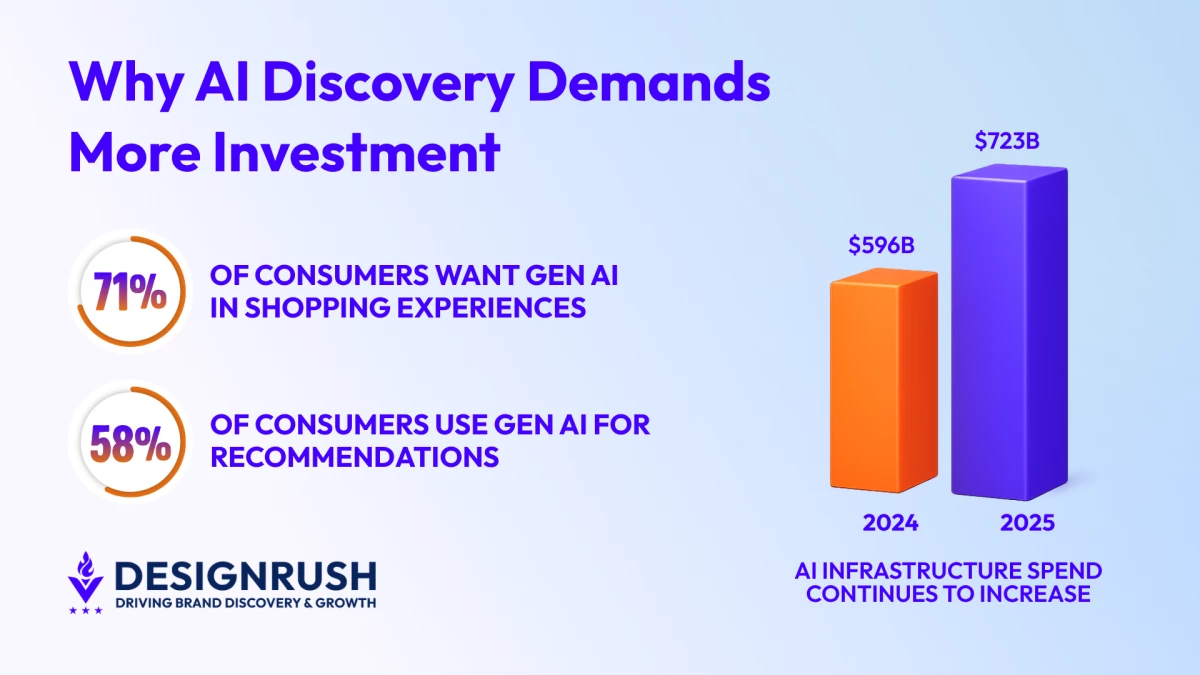
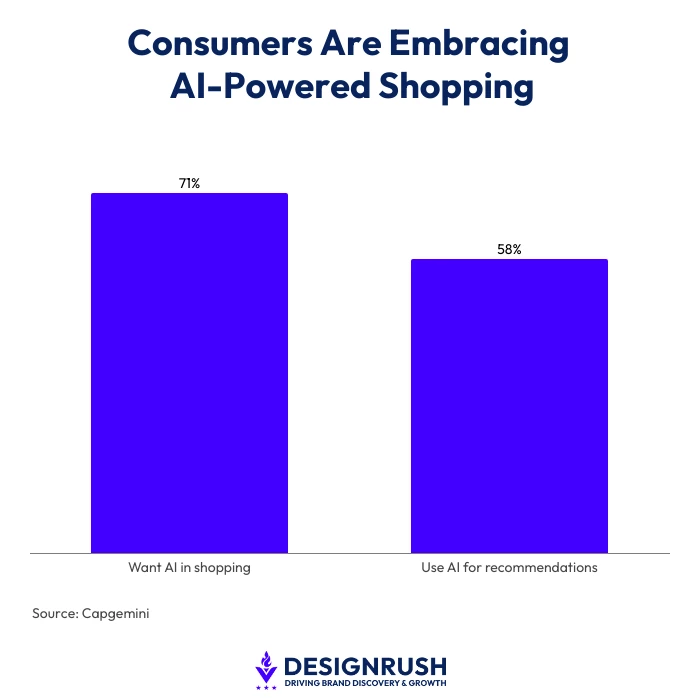
In fact, 71% of consumers want generative AI integrated into their shopping experiences, per Capgemini.
The same report found that 58% have already replaced traditional search engines with AI tools for product and service recommendations.
"The most effective platforms remove friction from decision-making,” Chaly adds.
"Users don't think about the technology behind a product. They care whether it helps them get where they want to go."
Visual AI Search Is Driving eCommerce Growth
These days, the search bar isn't always where product discovery begins.
Traffic from generative AI sources to U.S. retail websites rose 1,200% between July 2024 and February 2025, according to insights from Adobe.
It also found that 39% of consumers used generative AI for shopping-related activities, while 53% planned to do so.
It's one of the reasons why discovery is becoming a bigger part of the buying process.
While Pinterest has spent years operating where inspiration meets purchasing intent, the adoption of AI now gives the company more ways to connect users with products, ideas, and content that match their interests.
"Visual search reflects how people naturally evaluate options,” Chaly says.
“In doing so, people now respond to what they see before they know exactly what they want to search for.”
Bloomreach offers a glimpse into how multimodal AI is helping consumers discover products through more personalized experiences:
AI Discovery Requires Bigger Infrastructure
The recommendation may appear instantly, but a lot has to happen behind the scenes to make that possible.
As Pinterest plans to use AWS technologies such as Trainium and Graviton chips to support the workloads behind its search and recommendation systems, those systems will require substantial computing resources as usage grows.
And Pinterest isn't alone in spending heavily on the infrastructure behind AI.
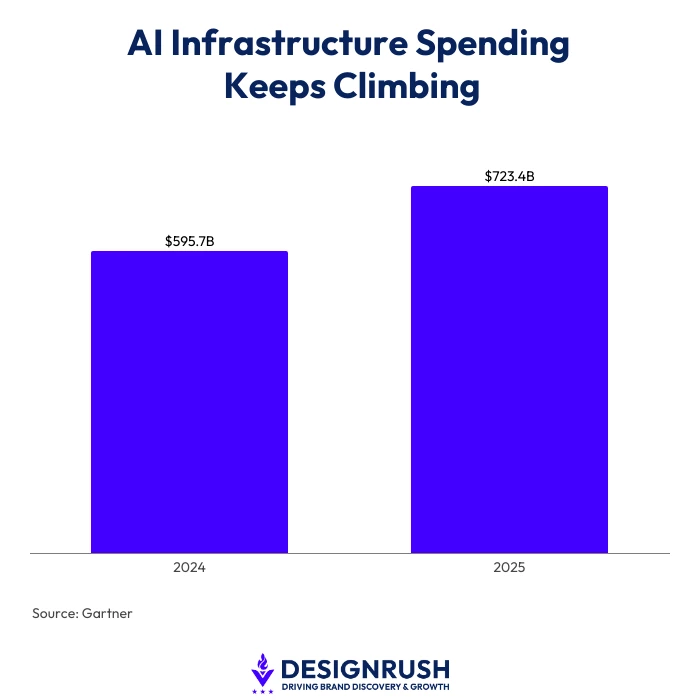
Worldwide public cloud spending reached $723.4 billion in 2025, up from $595.7 billion in 2024, per estimates from Gartner.
"Building an AI model is one thing, but supporting millions of interactions every day is something else entirely," Chaly adds.
Why UX Still Wins In AI Discovery
Despite its uptake, even the most advanced recommendation systems fall short if the results aren't useful.
Case in point, visitors arriving from generative AI sources viewed 12% more pages per visit and generated 8% higher engagement than traditional visitors, according to a report from Adobe.
But the real test comes after that first click.
"Better recommendations don't just improve discovery. They can influence how long people stay, what they engage with, and whether they come back," Chaly says.
YouTube channel, The UXverse, explains why UX designers need to evolve into AI experience designers:
What This Means For Brands
For brands, the question is where AI can make the biggest difference.
To achieve this, Chaly says that brands should focus on a few key areas:
- Focus AI investments on moments where customers actively search, compare, or make decisions.
- Use AI to reduce friction, whether that's to improve search, surface relevant recommendations, or help users find information more quickly.
- Prioritize usefulness over novelty. Features that save time and simplify decisions are more likely to drive adoption.
- Measure success through customer outcomes rather than AI capabilities.
"Success will depend on how well companies connect AI investments to experiences that people actually use," Chaly adds.
So ask yourself, how much of your AI investment is helping customers make a decision that will translate into a favorable outcome for your business?