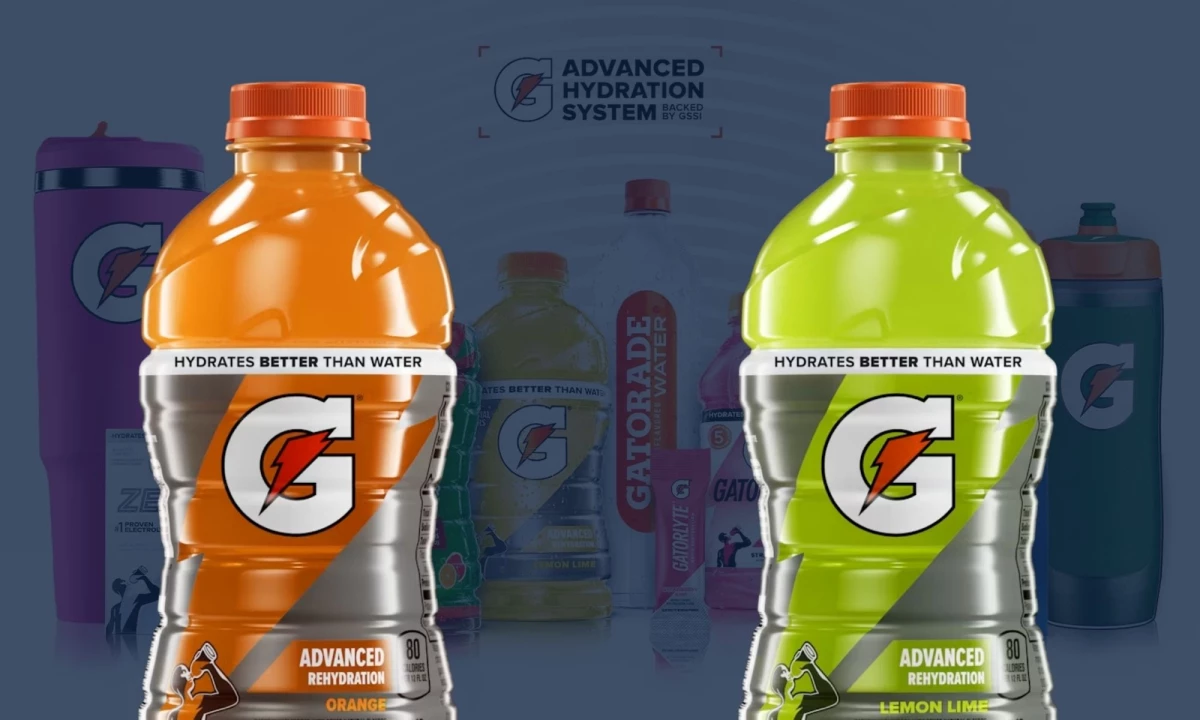

Gatorade's packaging was rebuilt to explain what each product does.
Five months later, PepsiCo recalled 122,021 cases because some labels omitted Yellow 5 and Yellow 6.
The recall affects 28-ounce bottles of Gatorade Lemon Lime, Lemon Lime Zero, Orange, and Orange Zero sold across 37 states.
PepsiCo initiated the recall on September 25, and the FDA classified it as Class II on October 2.
This incident puts packaging accuracy under a sharper marketing lens.
Gatorade's April restage made the label a key part of its effort to explain hydration benefits and help shoppers choose between products.
Mike Del Pozzo, president of PepsiCo Beverages U.S., framed the label as a duty that the brand owes shoppers.
"We believe we have a responsibility to help people understand their hydration needs […] across everyday wellness and performance moments."
The recall doesn't establish that the label redesign caused the omission.
But it does show how much work brands now expect a package to perform before a consumer even picks up the product.
Gatorade Asked Its Labels to Do More and Missed
This year, Gatorade gave packaging a larger role in product education.
New labels organize the portfolio around hydration benefits, with products positioned as hydrating better, faster, or longer than water.
Mintel analyst Jack Doggett puts the share of sports drink buyers who are not athletes at 60%, drawn in by electrolytes and carbohydrates.
Sports drink mix unit sales rose nearly 20% in the year ending March 22, while bottled water sales stayed flat.
This demand gives Gatorade a reason to put more information on the packaging.
The FDA also made the switch worth advertising, which gives Gatorade a front-of-pack claim it could not make a year ago.
A February letter lets brands claim "no artificial colors" once the FD&C dyes are gone, even when fruit and vegetable colors replace them.
This claim rests entirely on the ingredient panel.
It's the same place where Yellow 5 and 6 went missing and left tartrazine-sensitive shoppers with no way to avoid it.
Gatorade earns this claim once Lemon Lime and Orange finish the switch this fall.
Packaging design works as product education only when everything stated on the label survives the same checks as the formula inside.
Packaging Errors Can Become Brand Errors
PepsiCo's bottling operation has mislabeled drinks before.
In 2025, it recalled Lipton Green Tea Citrus sold in bottles labeled as Diet Mixed Berry.
Its Jacksonville plant also recalled Dr Pepper Zero Sugar cans filled with full-sugar soda, a Keurig Dr Pepper brand it bottles under license.
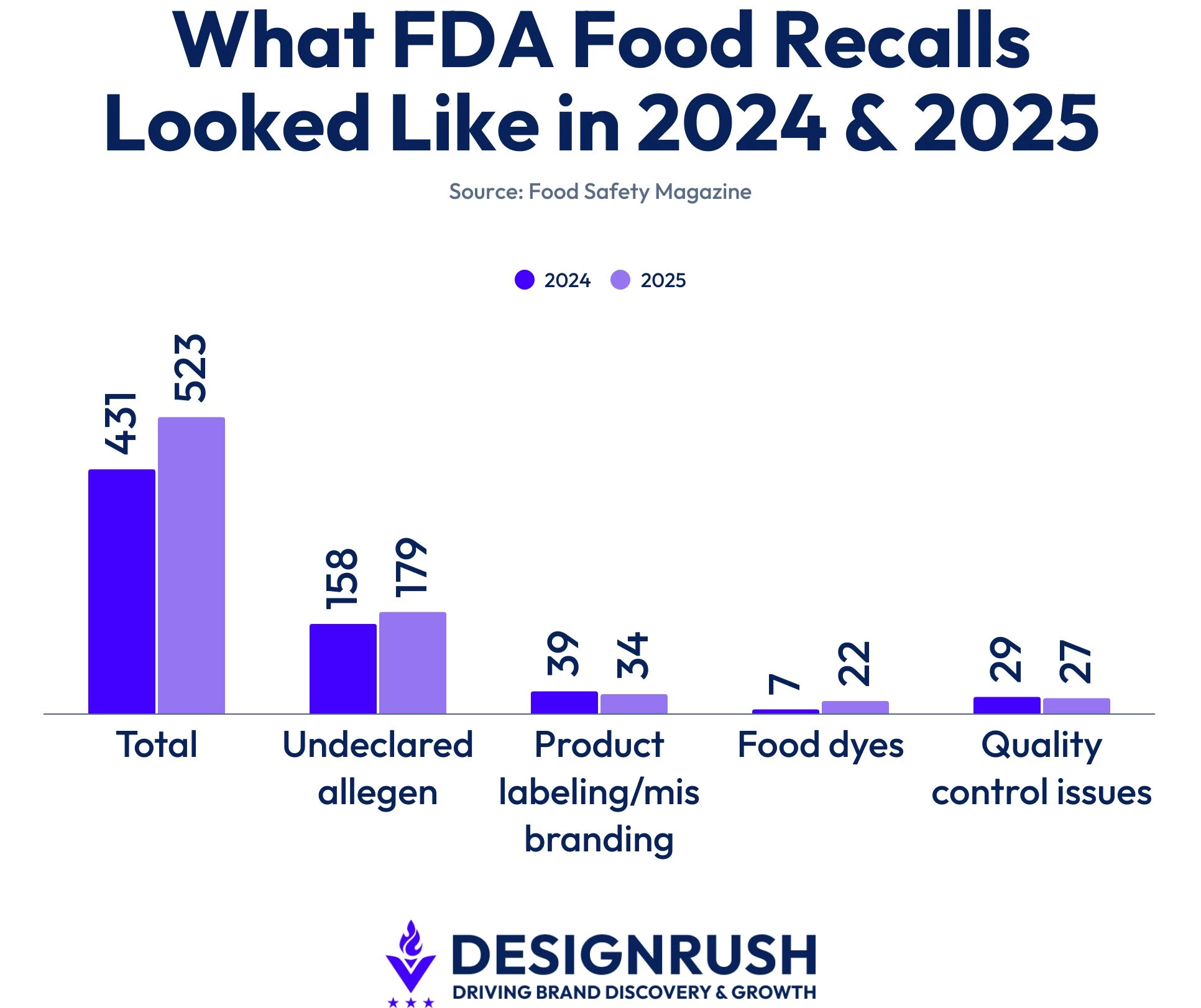
Food Safety Magazine counted a total of 523 FDA food recalls in 2025, up from 431 in 2024.
Undeclared allergens accounted for 34% of recalls, while product labeling accounted for 7%.
Gatorade's recall shows how fast label accuracy becomes brand management, since shoppers read a PepsiCo label as a promise before the first sip.
Three habits keep a label accurate while the product behind it keeps changing:
- Information needs operational discipline. Brands should connect marketing claims with packaging checks to keep every item accurate at retail.
- SKU systems need stronger guardrails. Teams should separate similar variants clearly to reduce labeling mistakes and protect shopper confidence.
- More copy creates more risk. Designers should prioritize the information that changes purchase decisions to keep packaging useful and easier to verify.
When packaging becomes a primary sales message, accuracy needs the same attention as creative quality.
Our Take: Can Packaging Deliver a Brand Promise?
Gatorade asks shoppers to learn the product before they pick it up.
We think that packaging can deliver a brand promise, though only when the people updating labels move as fast as the people changing formulas.
The four recalled products are the ones that PepsiCo said in April would lose their FD&C dyes this fall, so artwork and recipe were moving together.
Gatorade will keep making changes like this one into next year, which gives the same mismatch more chances to happen.
Shelf recognition is the other cost, since shoppers hunt for Gatorade by color, and these colors now come from fruits and vegetables.
The safest version of this holds the bottle's familiar structure steady while the claims and the ingredient panel move.
Gatorade is asking shoppers to buy its hydration science, and this pitch collapses the second the label stops matching what's inside.
The PepsiCo brand is not alone in using the label to explain a formula change.
Keurig Dr Pepper's 7UP made its own recipe change visible in August by putting "Lime" ahead of "Lemon" and simplifying the can's visual hierarchy.
Both cases show how beverage brands rely on packaging to explain a change before shoppers taste it.
Explore these top packaging design companies to create systems that keep product information clear, accurate, and recognizable.