
Netflix to Buy Warner Bros. Discovery: Key Findings
- The $82.7 billion acquisition will bring Warner Bros., HBO, and over 100 years of major franchises under one global streaming platform.
- The deal expands Netflix’s production power, adding studio infrastructure and established theatrical pipelines.
- Regulatory reviews may slow the closing of the sale, yet the announcement alone places Netflix in a stronger position within premium entertainment worldwide.
The question hanging over Hollywood for months has finally been answered.
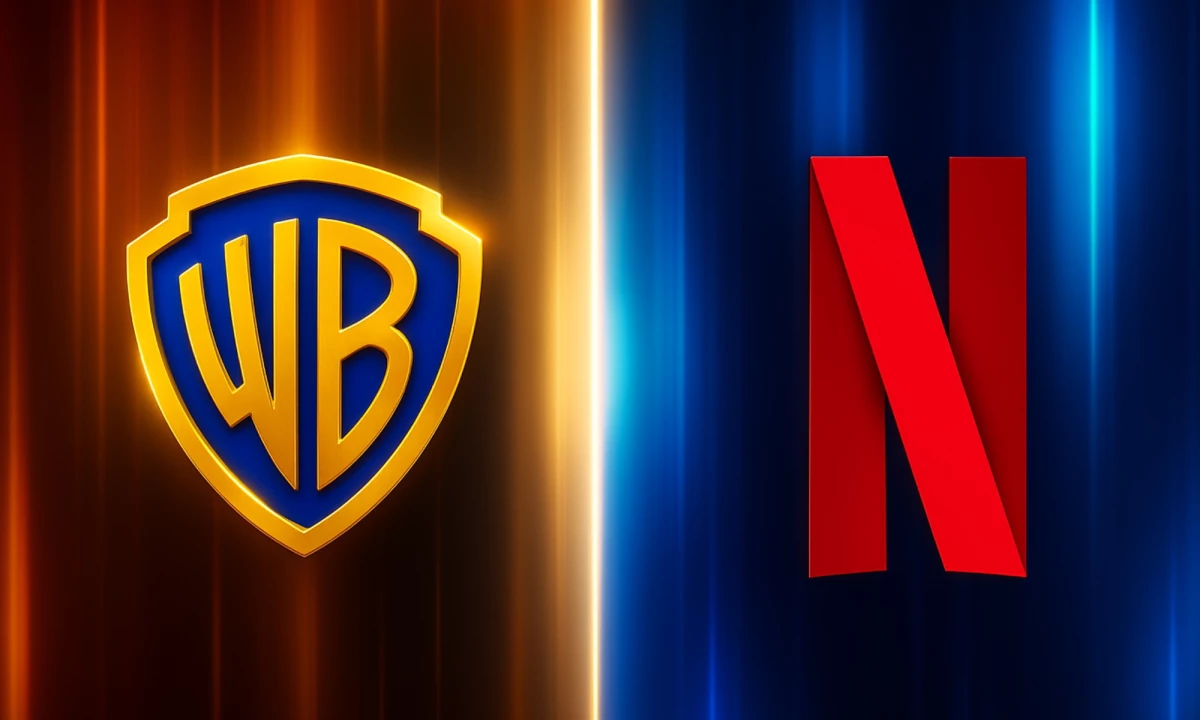
Netflix and Warner Bros. Discovery have agreed to an $82.7B deal that brings Warner Bros., HBO, and HBO Max into the streaming giant's portfolio.
The agreement includes film and television studios, major franchises, and one of the industry’s most influential libraries, creating a scale rarely seen in modern entertainment.
Closing is expected after WBD completes its planned split of Discovery Global into a separate public company in 2026.
Netflix says it intends to maintain Warner Bros.’ current operations, including theatrical releases, while expanding its own production footprint.
"By coming together with Netflix, we will ensure people everywhere will continue to enjoy the world’s most resonant stories for generations to come,” WBD President and CEO David Zaslav shared.
This major move resets expectations across Hollywood, where rivals are now most likely evaluating how a combined Netflix-WBD shifts long-term strategy.
The New Scale Netflix Gains
The acquisition gives Netflix access to Warner Bros.’ deep library of movies and TV series.
Think "Harry Potter," "The Sopranos," "Game of Thrones," the entire DC Universe, and decades of classic films.
"This acquisition will improve our offering and accelerate our business for decades to come," Netflix Co-CEO Greg Peters said.
“Warner Bros. has helped define entertainment for more than a century and continues to do so with phenomenal creative executives and production capabilities."
Netflix gains physical studios, distribution channels, and longstanding production relationships.
HBO’s programming also adds depth during a time when subscribers increasingly gravitate toward familiar titles.
These assets will give the company more ways to finance and release projects, both in theaters and on streaming.
Netflix expects $2 billion to $3 billion in annual cost savings by year three, which will help justify the premium price.
Where the Industry Turns From Here
This merger and acquisition place renewed pressure on Hollywood’s biggest players.
They must now rethink how to compete with a studio-library combination of this size, especially as fewer companies hold the rights that could actually shape audience demand.
It also raises new concerns about release strategies, licensing economics, and who controls the franchises that drive global viewership.
While the deal just needs to be finalized, several big questions remain in these areas:
- Regulatory scrutiny, especially when it comes to streaming market share and control of premium TV
- The future of theatrical windows, since Netflix and major exhibitors have historically diverged on release lengths
- How competing studios respond, particularly those evaluating library sales or strategic partnerships
- Talent negotiations, as creators figure out whether Netflix's scale will help or hurt their dealmaking power
As Netflix confirms plans to buy Warner Bros. for $82.7 billion, the streaming service has said it expects shorter theatrical runs for movies in future "to meet the audience where they are, quicker." https://t.co/Fpyx5gZawspic.twitter.com/i5EHhvfLUb
— IGN (@IGN) December 5, 2025
Netflix's move forces Hollywood to choose between owning libraries or licensing them, since there's not much middle ground left.
The ripple effect will hit mid-tier studios hardest, since consolidation compresses the licensing market they depend on to fund development.
Our Take: What Changes Most After This Merger?
I think this deal will fundamentally shift where power sits in Hollywood.
Once Netflix controls one of the biggest libraries in film and television, the center of gravity moves toward companies that can distribute globally and own their franchises outright.
The real change will be how fast competitors adjust their media strategies, especially those without libraries that can sustain subscriber interest year-round.
This merger pushes Hollywood toward a future where scale, rights ownership, and global delivery matter more than any single hit.
Whoever adapts fastest will define the next decade of entertainment.
In other news, Netflix also recently proved cultural moments still work at the Macy's 2025 Parade, where 28.5 million viewers watched floats turn into holiday marketing wins.
As streaming platforms compete for content dominance, brands need production partners who understand how to create compelling video at scale.
Find top video production companies specializing in entertainment content and brand storytelling in our directory.