
AI’s Impact on SEO & Brand Visibility: Key Findings
- Perplexity’s Comet and OpenAI’s Chromium-based browsers could deliver answers upfront, cutting out clicks and changing how brands gain visibility.
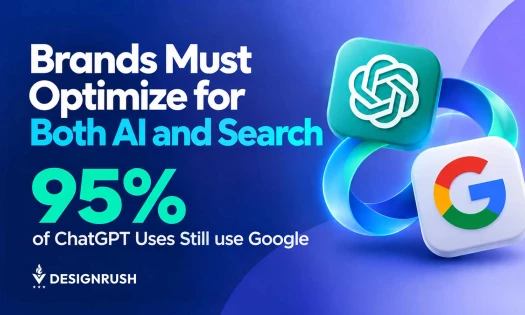
- SEO alone no longer guarantees discovery; brands must optimize for AI by creating clear, authoritative content that AI can easily read, cite, and trust.
- Success now depends on being recognized as the answer, not just being ranked on search results. Unique, high-quality content is crucial since AI can ignore content.
Quick listen: OpenAI and Perplexity just rewrote SEO. Here’s how to keep your brand visible, in under 3 minutes.
Perplexity just launched its new Comet browser, and OpenAI is soon to release its own Chromium-based interface.
Pretty soon, users will no longer be encouraged to click links on search results.
They’ll be getting fully AI-generated responses upfront, and this changes everything for brands.
No tabs. No toggling. Just ask. pic.twitter.com/rl0xJdq3qh
— Comet (@PerplexityComet) July 16, 2025
For over two decades, SEO has been the default playbook: climb the rankings, optimize keywords, build backlinks, and capture traffic.
And this is where most brands' strategies are based when it comes to driving traffic and increasing conversions.
Whether "blatantly or subtly," every buyer’s journey is influenced, as Forrester reported earlier this year.
This framework worked because Google Search worked. Users typed a query, got 10 blue links, and decided which to visit.
Now, AI-native browsers like Comet and OpenAI’s tool are compressing this journey.
Instead of showing a list of results, they present an answer, summarized and not always cited, which means the traditional incentive to click through is fading.
From SEO to AIO: Optimizing for Visibility
Perplexity’s Comet browser, launched on July 9, combines AI and search into one interface.
You ask a question, get a clear answer, and see the sources all in the same window.
The company said it removes the need to switch between apps, websites, and different interfaces.
It also reduces the noise that usually comes with jumping around the web.
Meanwhile, OpenAI’s browser, which is expected to be released this summer, will embed ChatGPT functionality directly into web browsing.
This will then allow users to interact with the internet via conversational AI instead of search.
It is also said to feature a “ChatGPT-like native chat interface,” designed to weave its services across the personal and work lives of consumers, a source told Reuters.
Both platforms make it easier for users to find answers. But for brands, it's the start of a new visibility problem.
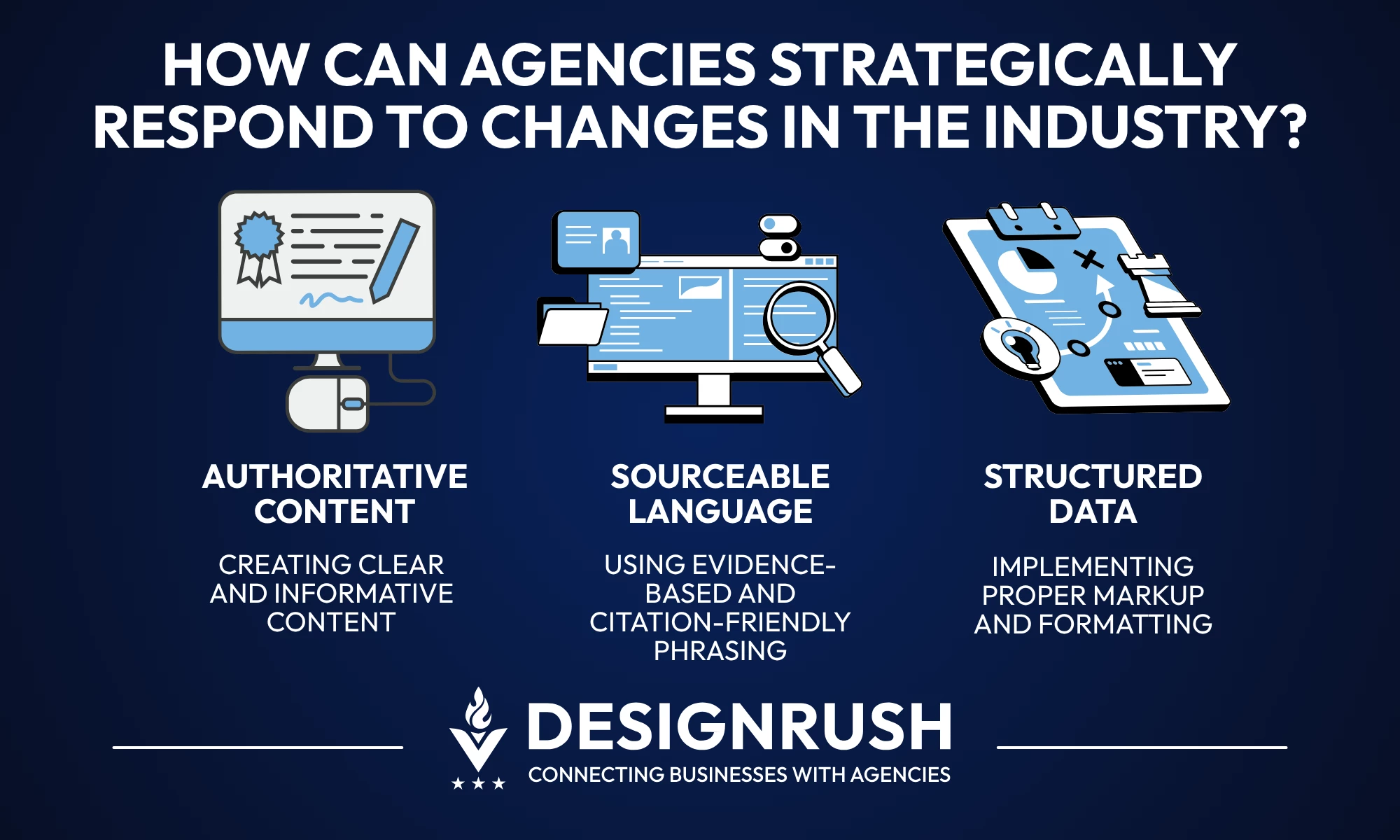
To stay visible, businesses need to think less about search engine optimization and more about AI optimization. This means:
- Clear, authoritative content that directly answers user questions
- Language that’s easy to cite or trace back to a source
- Structured data that AI tools can read and use
In short, write for AI as much as you write for the user.
Here’s a quick look at how Andy Crestodina, a top marketing expert, explains AI’s role in reshaping content engagement and what it means for brands:
I’ve already seen teams rethink how they write.
Clarity matters more than clever turns of phrase, and facts more than flair.
If an AI model can’t follow your point or trace the source, you don’t exist.
This moment calls for a reset. It's time to rethink old content strategies and adjust for how information is actually being found.
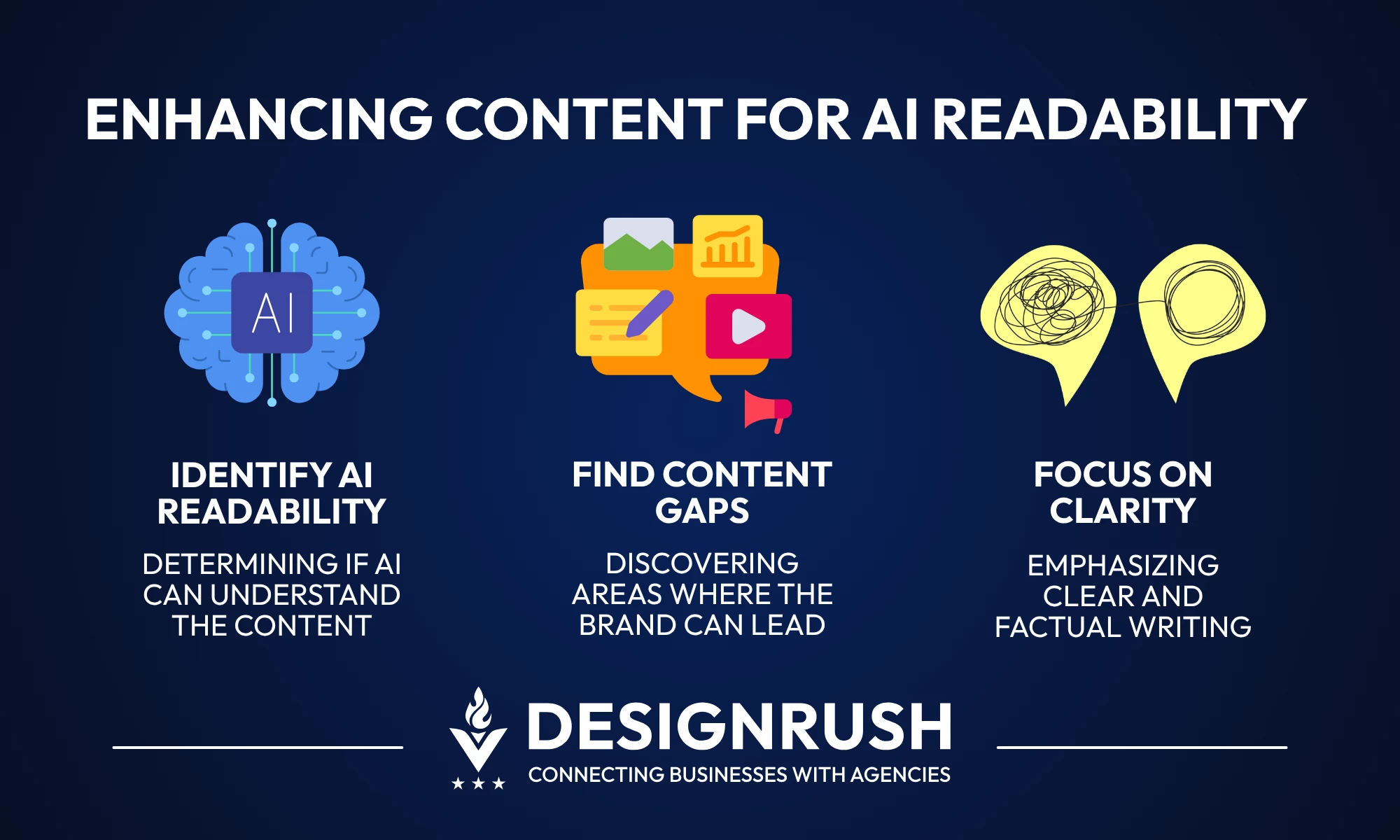
Ideally, agencies should:
- Review top content to see if AI can read and use it
- Find gaps where the brand can be the source, not just another voice
- Focus on clear, factual writing that’s easy to cite
It’s worth revisiting the basics of technical SEO, like schema markup, metadata, and site structure — it all still matters.
But the goal has shifted. Now it’s about making content easy for AI to find, understand, and credit.
A Chief Economist and a COO walk into a podcast...@ronniechatterji and @bradlightcap talk about the future of jobs and the economy in the age of AI on Episode 3 of the OpenAI podcast, now live. pic.twitter.com/XhsDR1tLWn
— OpenAI (@OpenAI) July 15, 2025
So what’s next?
Expect more tools that measure “AI visibility” and show how likely your content is to be cited or summarized by top AI models.
These won’t replace SEO analytics but will work alongside them.
This shift shrinks the web’s surface for discovery. Users who stay inside an AI browser never see your homepage, branding, or user experience.
Agencies will have to rethink how to build trust and engagement without relying on direct traffic.
If AI doesn’t cite your content, your brand might as well be invisible.
Why This Matters for Your Brand
And if users don’t visit your site, read your blog, or see your branding, your marketing may never reach them.
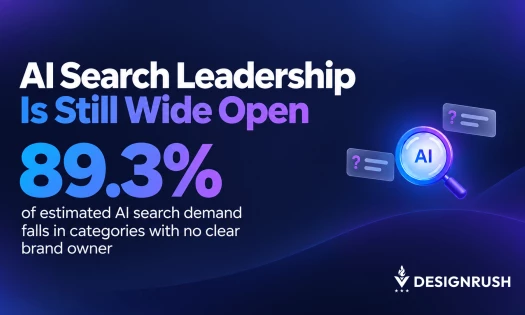
AI browsers decide which sources to cite, which data to summarize, and which voices get heard.
Here’s the risk: if your content doesn’t meet AI’s standards for relevance, clarity, or authority, it won’t be cited.
Instead, it could be paraphrased, rewritten, or ignored completely because AI browsers can use your ideas without sending any traffic your way.
“Getting unique content is so important, and I think that the future will be more about quality over quantity because of how much AI can learn in just one article,” said James Gibson, partner and director of digital marketing at eDesign Interactive, in a June 2025 interview.
This changes the game — it’s no longer about rankings but about being truly recognized.
In a world where AI decides what gets seen, these agencies help your brand stay visible and cited, not just scraped: