
WooCommerce Open Source: Key Findings
- Top-performing brands invest early in open technology, and McKinsey data shows they grow e-commerce revenue up to 3x faster than peers who lag on tech adoption.
- Merchants using open-source platforms like WooCommerce see measurable ROI, lowering total cost of ownership by up to 30% while accelerating innovation cycles.
- Agencies that co-create within the Automattic ecosystem unlock scalable growth, turning websites into living ecosystems that drive performance, conversion, and retention.
Strong IT performance is a growth strategy.
McKinsey reports that companies with high-performing IT organizations generate up to 35% more revenue and 10% higher margins.
For agencies, this shift opens up recurring-value opportunities far beyond the launch phase.
For WooCommerce, that future isn’t about more complexity. It’s about openness.
Open source is a philosophy of freedom, flexibility, and shared success.
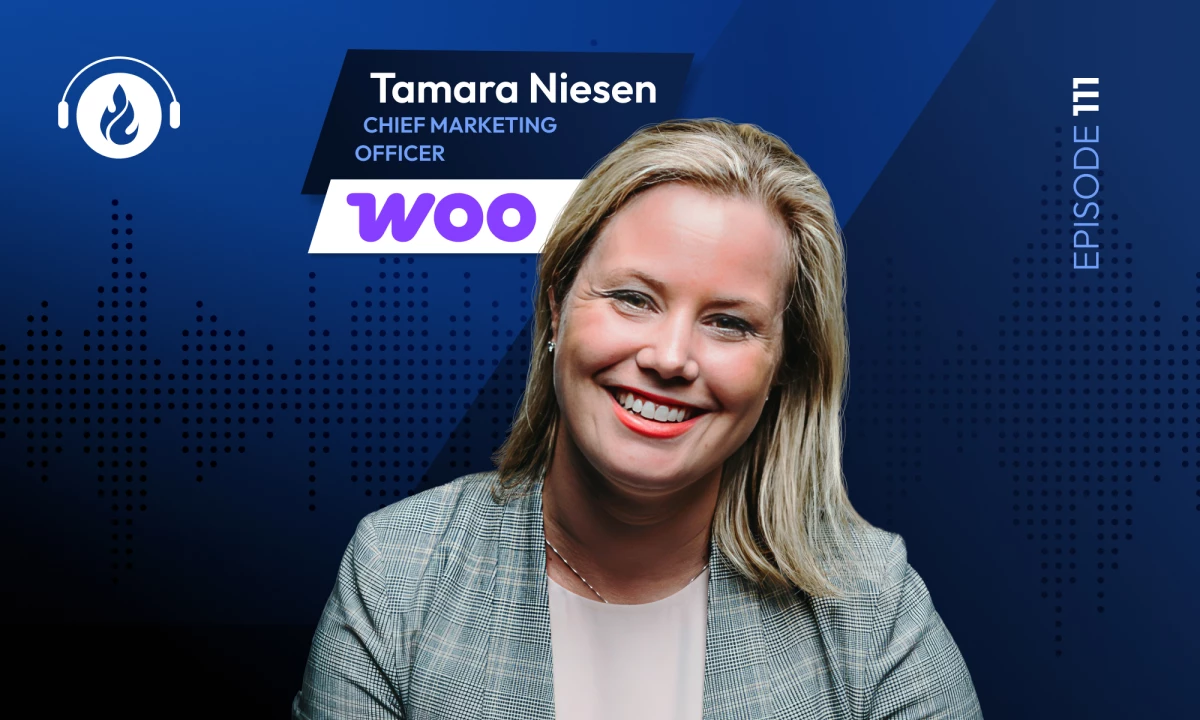
In this episode of the DesignRush Podcast, Tamara Niesen, Chief Marketing Officer at WooCommerce, breaks down what it takes to build and scale within an open ecosystem.
She explains how the future of digital commerce will be defined by openness rather than headless architecture.
Listen now on YouTube or Spotify and Apple Podcasts.
Give Brands True Ownership Through Open Source
For Niesen, the foundation of sustainable eCommerce growth starts with openness and ownership.
“It really begins with this open-source advantage… It allows them to offer this value proposition of having full ownership of their site, of their data.
They have access to their own code,” she says.
This ownership empowers merchants to build freely, integrate faster, and future-proof their businesses against platform limitations or pricing lock-in.
Build With the Best, Not Within Boundaries
Open commerce doesn’t restrict innovation. It amplifies it.
“Open source doesn't mean losing access to best in breed.
In fact, it's quite the opposite… We’ve got extensions built by and partnered with Google, TikTok, Klaviyo, PayPal, Avalara, Stripe, Meta, and so many more,” Niesen says.
By integrating with global technology leaders, WooCommerce enables merchants to build flexible, high-performing ecosystems that grow with their business.
One such example is Boost Oxygen, a long-time Woo merchant that adopted Klaviyo for email and SMS automation.
“They continue to see strong year-over-year growth, partly attributed to their new focus on advertising via the Woo and Klaviyo integration," Niesen says.
Redefine Agency Partnerships as Co-Creation
For Niesen, agencies are strategic extensions of the WooCommerce team.
“As it relates to partnering with agencies, I genuinely view it as an extension of our team… They should really understand what sets open source apart from closed SaaS platform solutions as well,” she shares.
The real opportunity, she adds, lies in long-term collaboration.
“The website is really just the beginning of what they can offer… We want them to provide ongoing support, a full suite of services all the way from development and performance optimization to marketing and strategy.”
Expand Possibilities Across the Automattic Ecosystem
WooCommerce’s open vision scales far beyond a single platform. It’s part of a connected network of products built for every business stage.
“Being an Automattic agency partner isn’t just about Woo… It includes WordPress.com, WordPress VIP for our enterprise customers, Jetpack, and a few other products as well,” Niesen says.
This ecosystem gives agencies and merchants a unified, open foundation for building digital experiences that grow seamlessly, from first sale to global scale.
Shape the Future Through Open Collaboration
Looking ahead, Niesen sees WooCommerce’s next era as one built through co-creation.
“The future is about true partnership: agencies co-creating solutions with us, bringing insights from merchants, and helping shape where WooCommerce goes next,” she says.
It’s a vision grounded in shared innovation; one that turns open commerce into a living, evolving ecosystem led by collaboration, not competition.

About Tamara Niesen
CMO, WooCommerce
Tamara Niesen is the Chief Marketing Officer of WooCommerce, part of Automattic’s global portfolio of open-source products including WordPress.com, WordPress VIP, and Jetpack. With more than a decade of experience leading global marketing strategies, she champions open commerce as a movement that empowers merchants, builders, and agencies to create without limits.
What’s Next for Open Commerce
Headless may be trending, but the real future of commerce lies in open platforms, where merchants and agencies stay in control.
When growth depends on smart tech choices, open commerce wins.
It gives companies control, flexibility, and the freedom to build what they actually need.
The brands and agencies that embrace openness now will be the ones defining e-Commerce innovation for years to come.
Watch the full episode on YouTube or listen on Spotify and Apple Podcasts.