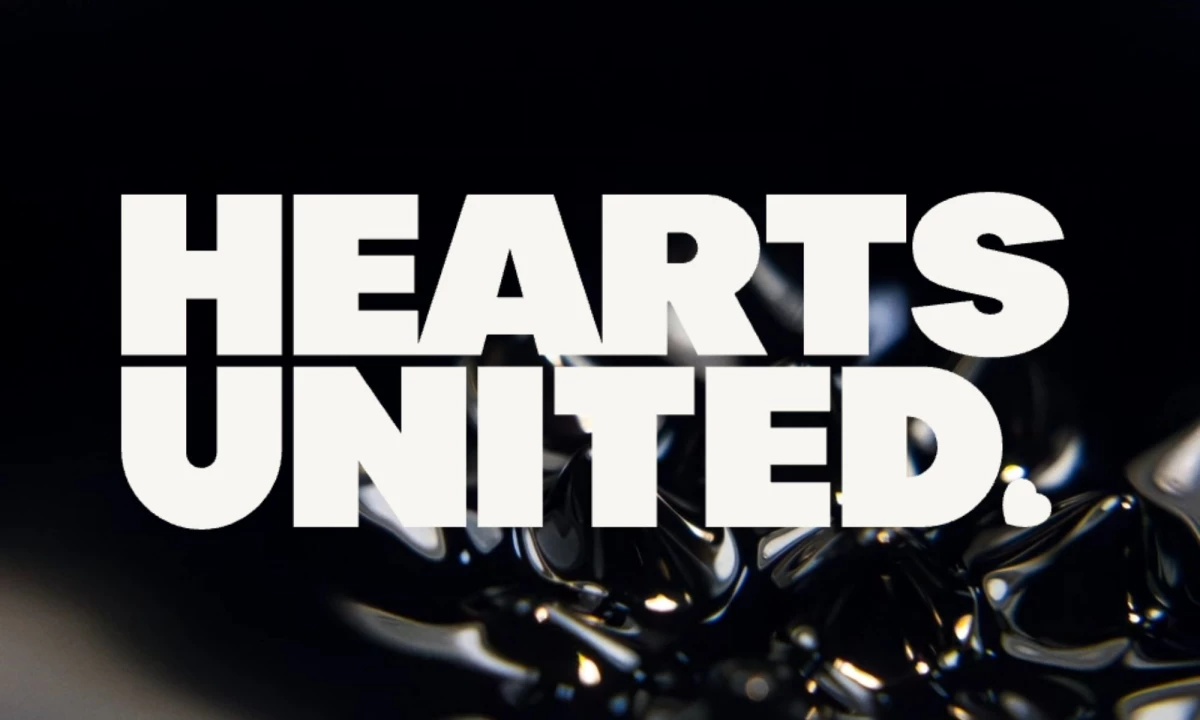

Omnicom Media officially launched Hearts United after combining Hearts & Science and Mediahub across 40 markets.
The new network represents about $9.1 billion in 2025 billings and will be led in the U.S. by Nicole Estebanell and in EMEA by Ross Jenkins.
Leaders for APAC and LATAM are expected in Q4, according to the press release.
The launch is the latest step in Omnicom's post-IPG overhaul.
The $13.5 billion acquisition made Omnicom the world's largest advertising holding company.
Omnicom has since retired legacy agency names, cut thousands of roles, and consolidated operations across its portfolio.
In March, OMD replaced its global CEO title with global brand president, with the same change applying across all six of its media agency brands.
Omnicom Media CEO Florian Adamski framed the merger as a pairing of opposite strengths:
"Hearts & Science helped pioneer data-driven decision-making, while Mediahub broke new ground by proving media could serve as a creative platform."
Hearts United gives this restructuring a new agency brand, but the unfinished leadership lineup shows the integration is still being assembled.
Two Media Networks Fold Into One Brand
Hearts United combines Hearts & Science's data-driven media heritage with Mediahub's creative media positioning.
Mediahub came to Omnicom through the IPG deal and has sat inside Omnicom Media since December.
The agency acquisition also brings an IPG property directly into Omnicom's existing media portfolio.
Its merger with Hearts & Science leaves Omnicom Media with five media networks, down from the six it said it would keep in December.
The timing creates an unusual launch structure.
Hearts United can claim a 40-market reach on day one, while two major regions still lack named leaders.
The new agency network also shows Omnicom applying consolidation to the brands that advertisers actually shop for.
Agency brand strategy now runs on the same cost math as the back office.
50% and 33% Growth Back the Consolidation
According to its press release, Hearts & Science grew its billings by 50% from 2021 to 2025, while Mediahub grew 33% during the same period.
The combined agency also enters with strong new-business performance.
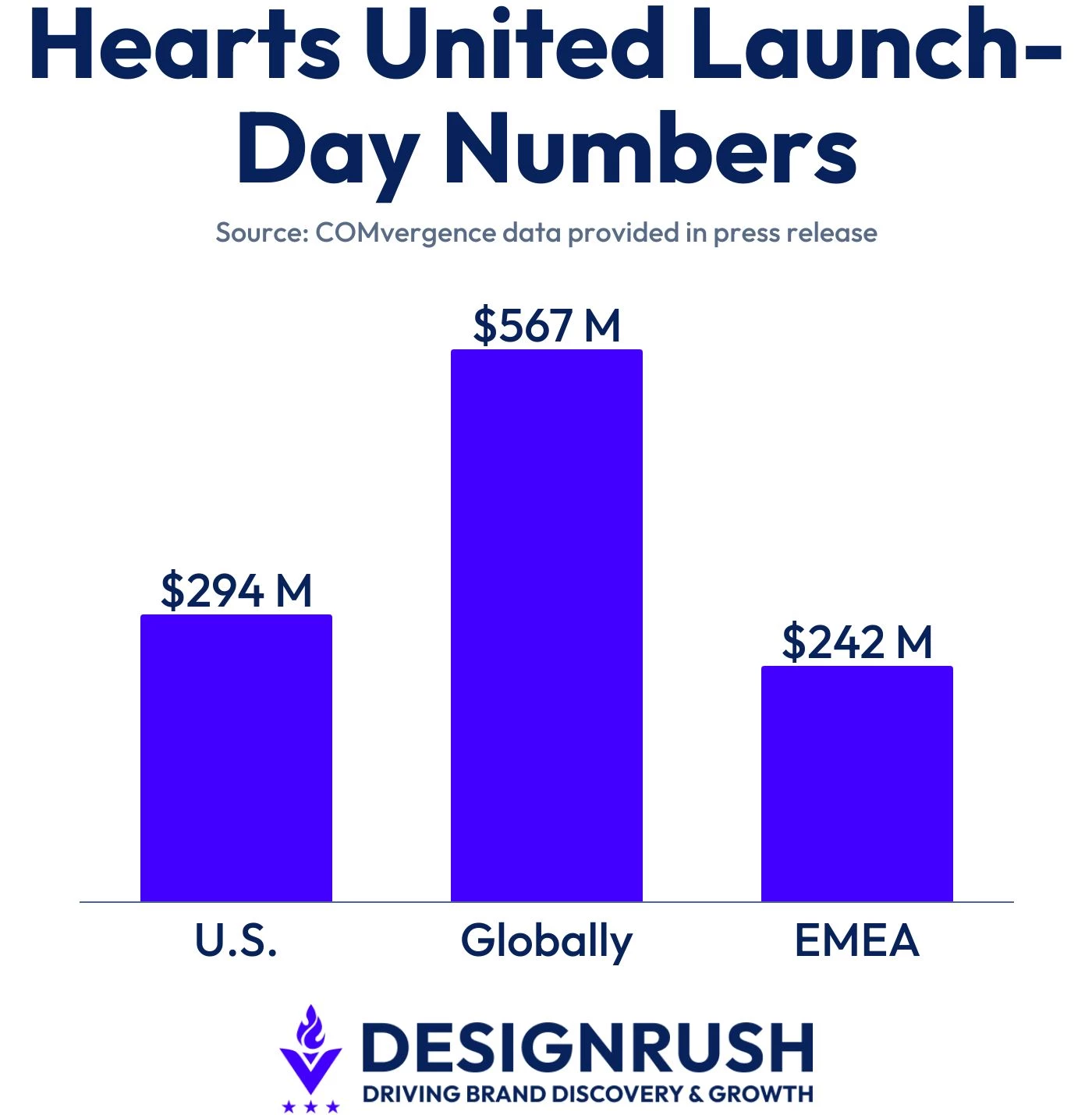
COMvergence ranks Hearts United No. 1 in U.S. year-to-date net new business at $294 million, and No. 3 globally at $567 million.
These figures give Omnicom a commercial case for consolidation.
The two agencies were already growing, while the combined operation entered with enough new-business momentum to compete against larger networks.
Hearts United's launch points to three useful lessons for agency leaders:
- Justify consolidation with growth. Agencies should combine complementary capabilities to expand commercial reach.
- Validate the structure with new business. Leaders should track wins and losses to prove whether consolidation is producing demand.
- Link scale to a commercial purpose. Agencies should connect capacity to client outcomes so consolidation means something to buyers.
The numbers suggest Omnicom is using consolidation to concentrate existing demand, capabilities, and media buying power under fewer global brands.
Our Take: Can Scale Sell Before Leadership Is Set?
The unfinished leadership structure creates a credibility test for the new agency.
We think that scale can hold a pitch together for a quarter or two, though not much past that.
Omnicom also gives Hearts United two established regional leaders and access to the same global resources available to its wider portfolio.

Clients signing a global media contract still want to know who owns the global relationship.
We would watch Q4 closely because the APAC and LATAM hires will show whether Omnicom sees this as a finished model or a phased rollout.
Hearts United now becomes an early test of how far consolidation can run before the org chart catches up.
Need an agency partner that can manage global media complexity?
Explore these top global media agencies on DesignRush.