
Healthcare Data Security: Key Findings
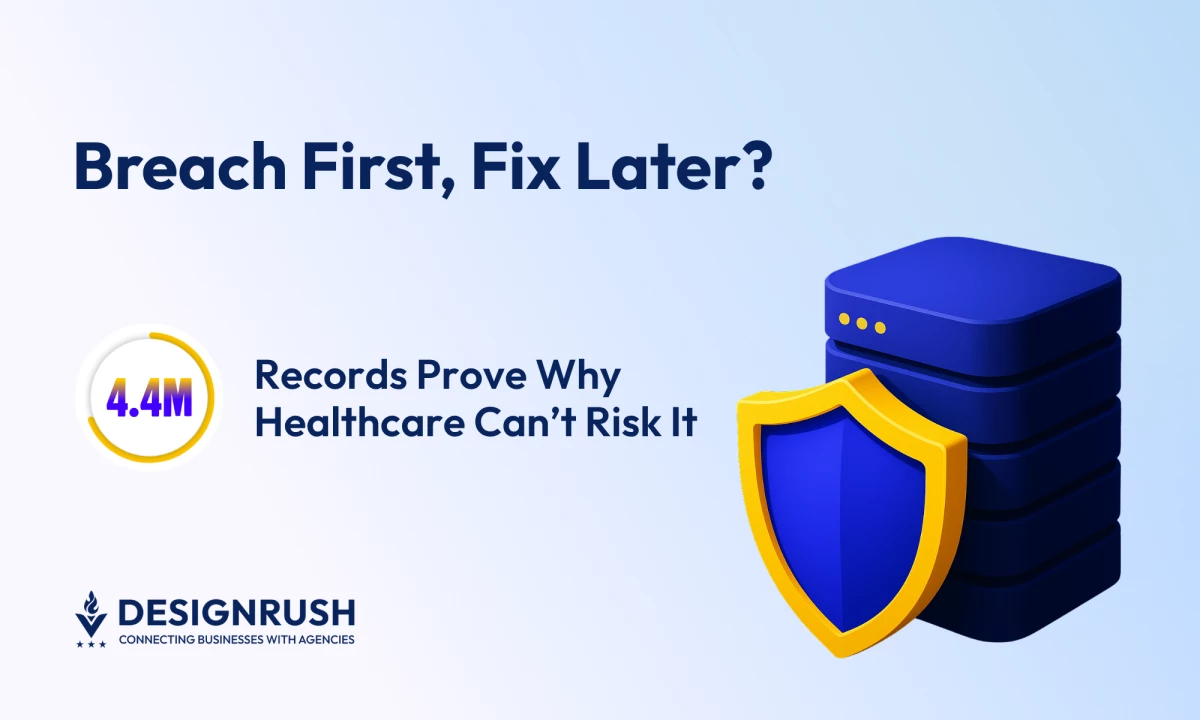
- About 4.4 million customer records were exposed in the TransUnion breach this year.
- Healthcare organizations that embed security into every stage of development can prevent costly data incidents.
- Continuous testing, secure CI/CD pipelines, and active monitoring keep patient data safe and maintain trust.
About 4.4 million customer records were exposed in a TransUnion breach earlier this year, according toCNET.
The issue was spotted and contained within a few hours, but it still serves as a clear warning. Cybersecurity has to be part of every system that handles sensitive data, because even a quick response can’t undo the damage.
In healthcare, the consequences hit harder. Breaches can lead to steep fines, shake patient trust, and halt operations for weeks, showing that reacting after the fact is never enough.
Kanda Software, a trusted technology partner with extensive experience in compliance, security, and development standards, found that a single cyberattack on a medical supplier exposed the data of over 90,000 patients, proving how quickly an undetected breach can escalate.
That’s why proactive security is the only way to avoid costly and lasting damage.
Editor's Note: This is a sponsored article created in partnership with Kanda Software.
The financial fallout from a healthcare data breach can be enormous.
The 2025 IBM Cost of a Data Breach Report shows the average breach in healthcare now costs about $7.42 million, the highest average breach cost among industries for the 12th consecutive year.
Direct costs include incident response and forensics, notifying affected individuals, and meeting HIPAA compliance requirements, with potential fines from agencies such as the Department of Health and Human Services.
Not to mention that indirect costs can be even higher, including lost business, reputational damage, operational disruption, and legal expenses from class-action lawsuits.
Patient data is valuable, and healthcare IT is complex. That combination means a breach can spread through an organisation and become costly very quickly.
Lessons from a Critical Breach
In December 2024, CPAP Medical Supplies and Services, a Florida-based company that sells sleep apnea equipment, found out it had been hacked. The breach went unnoticed for more than six months before it was discovered.
For a healthcare company, that kind of gap shows how easily a threat can blend into everyday systems until the damage is already done.
And the fallout did not stop at IT. Regulators demanded reports and audits. Budgets were rerouted to incident response and remediation. Patient trust took a hit that no press release could fix overnight.
The takeaway is simple and urgent. Security should be part of every system and process that touches patient data.
Because waiting until something goes wrong guarantees higher costs and longer recovery. The same proactive mindset that keeps development projects on track can also prevent security crises before they happen:
Every system and process should spot risks early and keep threats from turning into disasters.
“Breaches like CPAP Medical’s show that security isn’t just about firewalls or compliance checklists. It’s about creating resilient systems that can adapt to evolving threats while protecting the trust that patients place in healthcare providers,” said Alex Koifman, Project Delivery Manager, Security and IT Officer at Kanda Software.
“Organizations that ignore this risk are gambling with both their finances and their reputation.”
Kanda Software’s DevSecOps practice proves that when security is part of every step in development, small problems never get a chance to turn into big incidents.
The agency notes that attacks are becoming faster and more complex, while traditional rule-based systems can’t keep up. This means smarter detection and monitoring are imperative.
Using continuous security testing, active monitoring, and secure CI/CD pipelines helps organizations keep their systems and applications strong and ready for whatever new threats appear.
Kanda Software recommends a practical approach for healthcare organizations:
- Run automated tools often and review your code to spot issues early
- Add security checks at every step of deployment so unsafe code never slips through
- Keep an eye on systems and set up alerts to flag anything unusual
- Make security a shared responsibility across development and operations so the whole team can act quickly if problems arise
Taking this approach helps reduce risk, keeps deployments running smoothly, and ensures compliant healthcare solutions while protecting patient information.
Embed Security at Every Stage
After taking steps like continuous testing and secure CI/CD pipelines, healthcare leaders need to make security a core part of every development stage.
That means thinking about risks before writing any code, checking systems often, and keeping a close eye on activity so any vulnerabilities are caught early.
“Making security part of every step in development keeps systems safe and helps protect patient information. It shapes how healthcare organizations operate. Teams that anticipate risks and act early can deliver products faster while keeping patient data protected and trust intact,” Koifman added.
Kanda Software shows how embedding these practices into development pipelines can keep products resilient against new threats while protecting patient data and trust.
This approach makes sure every release keeps patient data safe, meets compliance requirements, and is ready for any challenges that arise.
Make Security a Strategic Advantage
Keeping security in every stage of development protects patient data and keeps the trust that patients and providers depend on.
For healthcare organizations, consistent practices like these pay off, ensuring operations run smoothly, compliance requirements are met, and breaches with their disruptions are avoided more often.
The TransUnion breach earlier this year shows that even trusted organizations can be caught off guard when security is not built in from the start.