
Mike Tyson for MAHA: Key Findings
- The boxing legend stars in a 30-second Super Bowl ad warning that "processed food kills," sharing his personal battle with obesity.
- The MAHA Center funded the placement through donor contributions, amplified by HHS Secretary Robert F. Kennedy Jr.
- The ad's emphasis on personal appearance and weight drew mixed public reception, with some viewers questioning the messaging and Tyson's role as spokesperson.

Campaign Snapshot
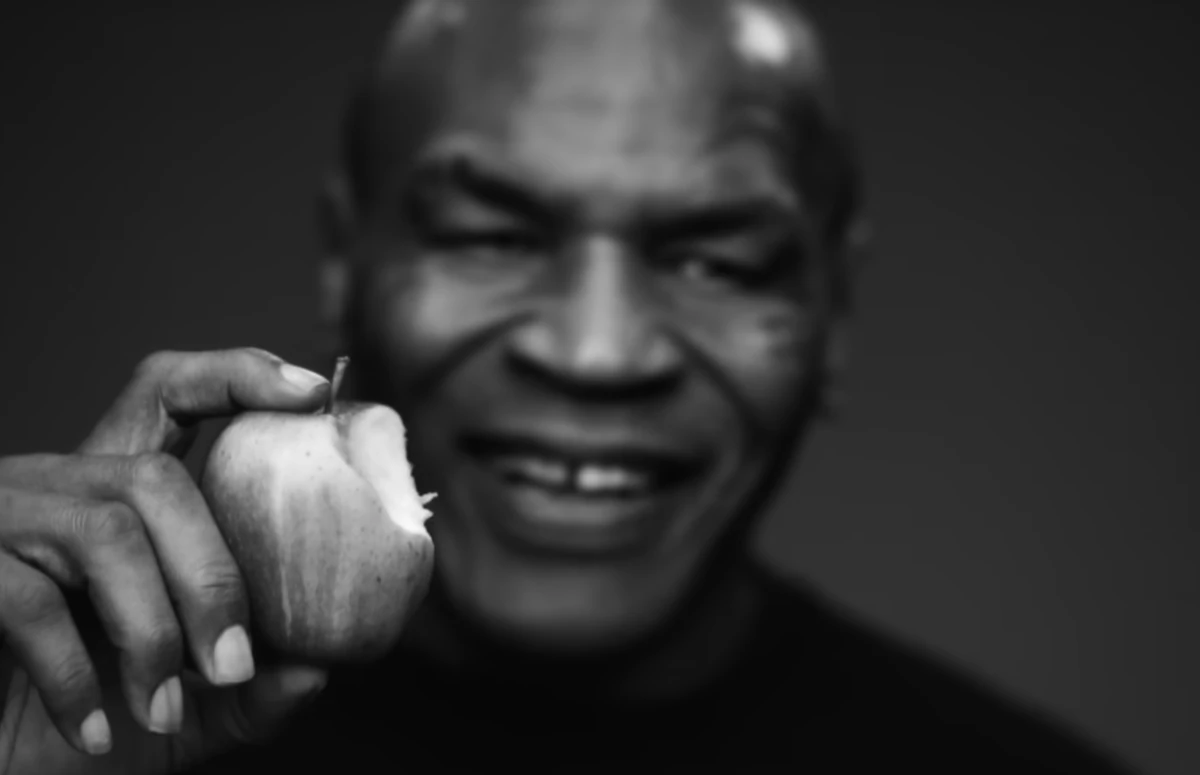
Boxing legend Mike Tyson is in the spotlight once again. This time, for appearing in a 30-second Super Bowl LX spot urging viewers to "eat real food."
The ad was created by the MAHA Center, an advocacy group aligned with Health and Human Services Secretary Robert F. Kennedy Jr.'s "Make America Healthy Again" movement.
Social media reactions to the ad were divided, with discussions centering on Tyson as the spokesperson and the message's tone.
This shows how advocacy campaigns using Super Bowl placements can still draw scrutiny when personal stories don't address broader issues.
Tyson's Personal Testimony
Brett Ratner directed the spot over a three-day period, with Tyson ultimately abandoning the scripted approach.
Kennedy told Fox News that directors spent eight hours trying to get Tyson to read from the script before letting him speak freely.
The former heavyweight champion shared that he once reached 345 pounds and consumed "a quart of ice cream every hour."
He also revealed that his sister died at 25 from a heart attack linked to obesity.
"I was so fat and nasty. I would eat anything," Tyson says in the ad, with a tear appearing to run down his face. "I had so much self-hate when I was like that."
"We're the most powerful country in the world, and we have the most obese, fudgy people. Something has to be done about processed food in this country," Tyson added.
The spot ends by directing viewers to RealFood.gov for federal dietary guidelines released in January.
The guidelines encourage Americans to limit highly processed foods and reduce refined carbohydrates.
The MAHA Center also extended the campaign with taxi cab ads featuring Tyson's image and the "Processed Food Kills" message across major U.S. cities.
A Polarized Reception
Public concern about processed foods shows bipartisan support among parents.
Polling shows strong bipartisan concern among Americans about chemicals, additives, pesticides, and artificial dyes in food, even when products receive FDA approval.
However, nutrition experts have focused on the probability that the ad's dramatic tone and message about personal responsibility may backfire.
The spot's strong emphasis on appearance has also drawn criticism from Super Bowl audiences.
Spectators have noted that the ad sidesteps that ultraprocessed products account for roughly 70% of the U.S. food supply.
There was also no mention of how affordability and convenience make them difficult for many households to avoid.
The MAHA movement's approach demonstrates some lessons on health messaging:
- Align personal stories with shared realities. Audiences look for actual context outside their individual experience.
- Choose cultural timing with tone control. High-visibility moments amplify both the message and backlash.
- Couple urgency with practical footing. Health claims resonate more when everyday limits are acknowledged.
The ad illustrates the narrow margin health messaging has when emotion leads and structural realities stay offscreen.
Our Take: Does Dramatic Messaging Drive Behavior Change?
I think the ad succeeds in getting attention, but it also should have addressed the underlying factors that make healthy eating difficult for many Americans.
Tyson's personal story carries emotional weight, and Kennedy's amplification gives it government credibility.
However, telling people to simply "eat real food" while 70% of the food supply consists of ultraprocessed products ignores the structural barriers that make healthy eating difficult for many households.
The ad's focus on appearance and self-criticism may generate social media backlash that overshadows the legitimate concerns about food additives and processed ingredients.
In other news, Pepsi's Coca-Cola polar bear stunt generated pre-game buzz through competitive provocation, showing how brands use controversy to amplify Super Bowl messaging before kickoff.
Advocacy groups building health-focused campaigns need agencies who understand how to balance dramatic messaging with structural realities. Browse the top healthcare marketing agencies in our directory.