
Meta is going after the smart glasses market with price, and it just left Snap far behind.
The company partnered with EssilorLuxottica on a new in-house eyewear line starting at $299, a fraction of the $2,195 that Snap charges for its SPECS.
Meta Glasses pack hands-free photo and video, open-ear audio, live translation, and Meta AI powered by Muse Spark.
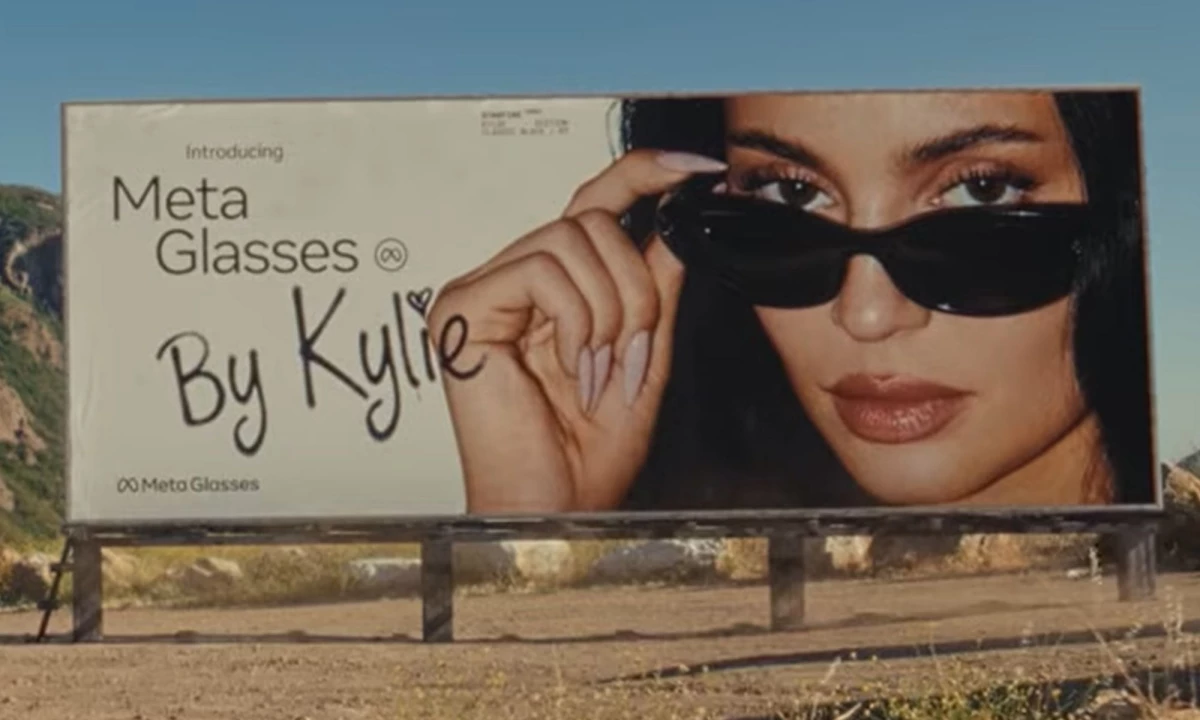
The line comes in 26 style combinations across three frame families, including a slim oval one designed with Kylie Jenner.
The Kylie edition, priced at $399, marks her first move into wearable tech and hands Meta a design partner with global reach.
"[We] pioneered this category with EssilorLuxottica, selling millions of units […] and proving that when AI glasses are stylish and useful, people will make them a part of their everyday lives," Meta said in its announcement.
The release highlights how AI hardware companies are competing on aesthetics, accessibility, and utility as they seek broader consumer adoption.
Meta Drops the Ray-Ban Name
These are the first AI glasses that Meta is selling under its own name, with no Ray-Ban or Oakley branding on the frames.
EssilorLuxottica still builds them, but Meta now controls the price, the design, and the brand.
This shift is what gets the entry price down to $299, since buyers no longer pay the Ray-Ban licensing premium.
View this post on Instagram
The hardware carries prescription-lens support, a charging case good for up to 40 extra hours, and a dedicated button that launches Meta AI.
Users can ask about what they are looking at, manage their schedule, translate a conversation in real time, and pull recommendations through the assistant.
The collection includes three frame families: Meta Adventurer, Meta Fury, and Meta Glasses by Kylie.
Kylie's involvement pushes the product toward fashion, which is how Meta reaches buyers who would never shop for a Facebook-branded wearable.
View this post on Instagram
Owning the brand outright lets Meta keep the margin it once split with Ray-Ban and set its own place in the market.
As the runaway leader in AI eyewear, Meta no longer needs another label's name to move product.
The $14.4 Billion Smart Glasses Market
The numbers explain why Meta is moving aggressively on price.
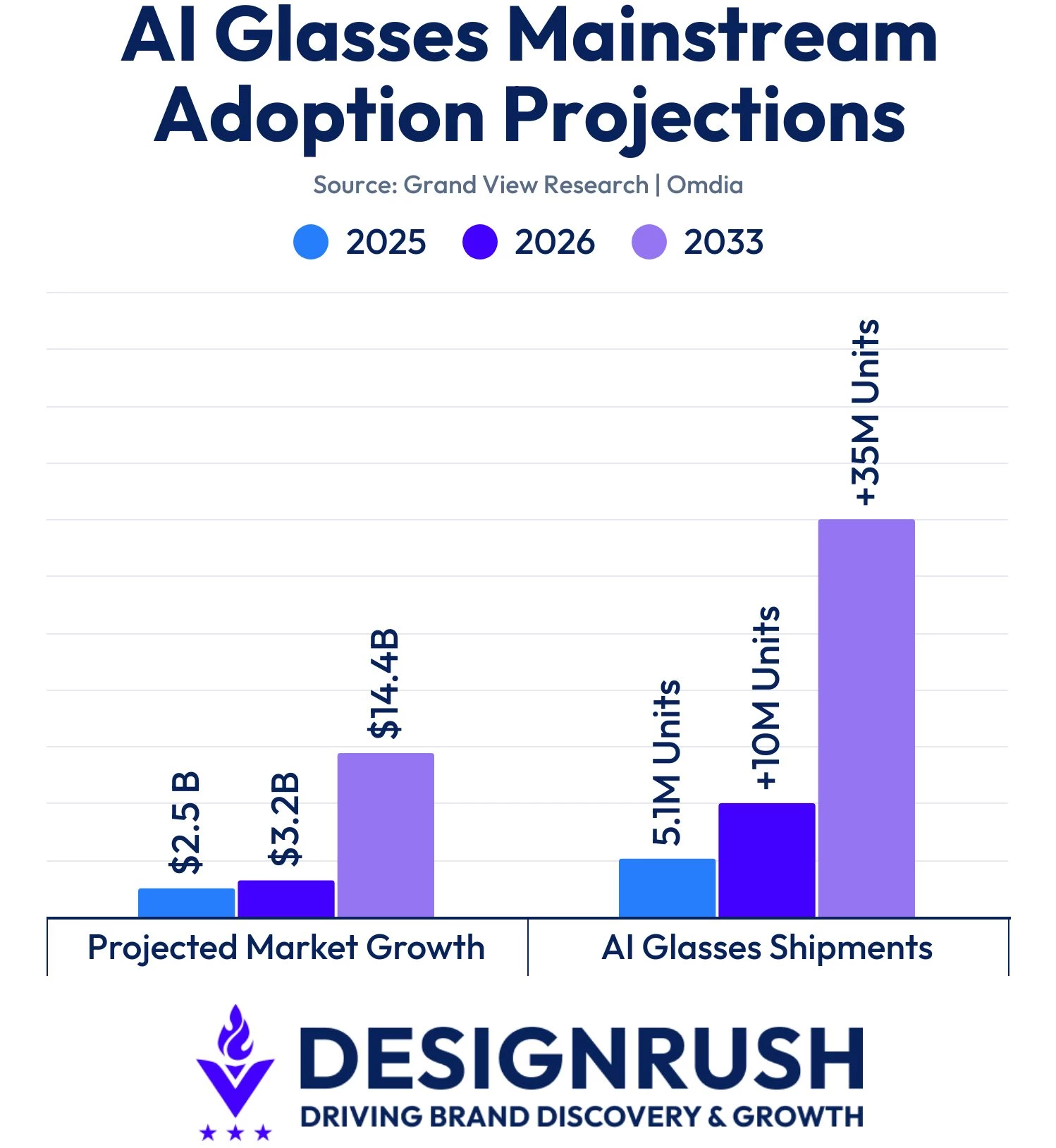
The global smart glasses market is set to grow from $3.2 billion in 2026 to $14.4 billion by 2033, so the prize for owning the category early is enormous.
And shipments are climbing just as fast.
Omdia forecasts that AI glasses will top 10 million units in 2026, more than double the 5.1 million shipped in 2025.
Meta is pricing for this curve, trying to put glasses on millions of faces before Google, Samsung, and Apple launch theirs.
The competition for AI eyewear is becoming a branding challenge for companies.
- Consumers adopt wearables that fit existing habits. Brands should integrate AI into familiar products to reduce friction and encourage daily use.
- Design influences adoption as much as functionality. Marketers should position AI hardware as a personal accessory to increase mass consumer reach.
- Price accessibility expands addressable markets. Companies should lower entry barriers to encourage trial and establish consumer behavior.
Once Google, Samsung, and Apple ship their AI glasses, price and design stop being a head start and become the minimum to compete.
Our Take: Is Meta Pricing SPECS Out of the Race?
Meta's biggest advantage may just be the gap between what consumers pay and what they get.
The new Meta Glasses start at $299, a price that positions them as an impulse tech purchase for some consumers.
Even the more advanced $799 Ray-Ban Display glasses sit far below Snap's $2,195 SPECS, which are aimed at users seeking a richer AR experience.
View this post on Instagram
Meta is using price to pull in first-time buyers before other brands can.
The risk is that cheap hardware invites copycats.
Once rivals match the price, Meta has to win on software, services, and ecosystem, where its lead is harder to copy.
Either way, we think this race goes to whoever gets millions wearing the glasses first, not whoever builds the most advanced pair.
Tech brands are looking for new ways to bring connected products into consumers' daily lives.
Explore these top wearable technology companies to find partners specializing in smart devices, connected experiences, and emerging hardware innovation.