
McDonald's McPizza Fail: Key Findings
- Off-Brand Offering: McPizza didn’t align with what people associate with McDonald’s. It felt unfamiliar and didn’t fit with the rest of the menu.
- Misguided Expansion: The move into pizza seemed more like chasing a trend than solving a real customer need, making the effort feel disconnected from the brand’s core identity.
- Poor Strategic Fit: Product design and operational needs didn’t reflect McDonald’s strengths, creating friction across kitchens, drive-thrus, and the customer experience.
Quick listen: Why McPizza failed and what every brand can learn, in under 2 minutes.
In 1989, McDonald’s decided to take on pizza, with the idea of getting more families in the door during dinner hours.
At the time, McDonald’s held 40% of the $48 billion burger market but wanted a slice of the fast-growing pizza business.
With pizza sales climbing 10% annually, the company set its sights on turning dinner into its next big win.
By the early '90s, the McPizza was served in over 500 U.S. branches, aiming to compete with the big pizza chains.
But by the late ’90s, it was quietly dropped.
Today, only the world's biggest McDonald’s, the one in Orlando, still serves it, more as a novelty than a revival.
I’ve followed enough brand misfires to know that when something goes wrong, it usually goes wrong early.
The McPizza never really had a chance.
McDonald’s is built on speed, value, and predictability, and it delivered none of these.
The promised five-minute prep time often stretched closer to 10 during rush hours, Mental Floss reported.
Customers were regularly asked to pull aside and wait, while others inside sat with cooling burgers as one person’s pizza held everything up.
“Although it was a popular menu item in Canada, the preparation time was about 11 minutes — which was way too long for us. Every McDonald's has a busy kitchen and the pizza slowed down our game.
And since speed of service is a top priority and expected by our customers, we thought it best to remove this menu item,” McDonald's Canada said in a statement in 2012.
What's more, new ovens had to be installed, and even some drive-thrus had to be widened to accommodate the pizza boxes.
It was an utterly expensive and unsustainable undertaking.
Speaking of cost, the McPizza sold for around $6 to $9 each, depending on location and size.
For families, adding drinks pushed the total to over $15, well past what most were used to paying at McDonald’s.
A burger then cost just over a dollar. This price point made it hard for many customers to justify.
Especially when local pizza places offered better pies for about the same price, and usually with delivery.
It Just Wasn’t McDonald’s
For me, the biggest problem wasn’t the pizza. It was that the whole thing didn’t feel like McDonald’s.
Being fast, familiar, and consistent is built into its brand DNA.
When you order a Big Mac, you know exactly what you’re getting, no matter where you are.
The McPizza disrupted this rhythm. It introduced wait times, new prep methods, and a product that didn’t fit the rest of the menu.
McDonald’s tried something similar in 1996 with the Arch Deluxe, a burger designed for adults with refined tastes.
Created by fine-dining chef Andrew Selvaggio, he described it as “something unique and different [to] set us apart from everybody."
"The Arch Deluxe was supposed to be the first entry into a better burger — premium burger — experience for McDonald’s,” Selvaggio said in a 2021 interview.
The fast-food giant spent over $300 million developing, producing, and marketing it.
Still, much like the McPizza, it seemed out of place on the menu. McDonald’s isn’t a place for gourmet tweaks; it’s a place for comfort fast food.
And when brands forget who they are, customers feel it more strongly.
A Familiar Mistake
McDonald’s isn’t the only one that’s fallen into this trap.
Apple invested close to $10 billion trying to create an electric vehicle, only to shut the effort down in 2024.
The tech giant had a great track record in hardware and software, but cars are a different beast.
Too many moving parts, too little focus, and no clear connection to what made Apple great in the first place.
McDonald’s has tried other unusual menu items too, like McSpaghetti and McLobster.
The McSpaghetti is still being served in the Philippines and Indonesia, but it didn't really connect with American customers.
These menu items didn’t match what people associate with the brand.
When you walk into McDonald’s, you’re not looking for shellfish or pasta. You want fries and a burger. Maybe a McFlurry.
What Brands Can Learn From the McPizza Failure
There are four clear lessons that come to mind when I think about the McPizza:
- Stick to what people love you for. McDonald’s wins because it’s fast and predictable. The McPizza asked people to rethink that, and they didn’t want to.
- New doesn’t always mean better. Innovation should solve a problem or fit a need. McPizza wasn’t solving anything customers asked for.
- Fix problems before scaling. McPizza had slow prep times, awkward logistics, and mixed reviews from the start. Those should have been red flags, not speed bumps.
- Know who you are. Brands that forget their core identity often chase new markets at the expense of their loyal base. That rarely ends well.
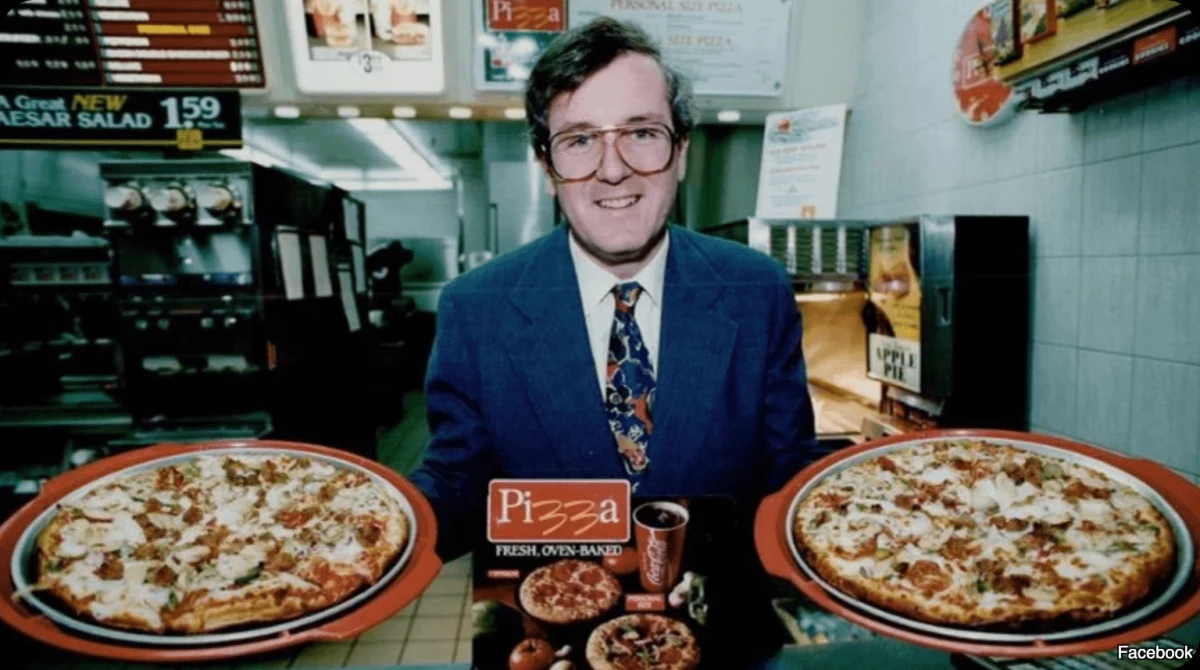
McPizza was a product offered by McDonald's mostly in the late 1980s and early 1990s. It was an attempt by McDonald's to compete in the pizza market, but it ultimately wasn't successful, and McDonald's discontinued it in most locations.
byu/ya666in inDamnthatsinteresting
I’m all for smart innovation. But it has to make sense for the business and the target audience. With the McPizza, none of it felt natural.
It seemed more like a reaction to a trend and a desperate attempt at expanding the business, when it didn't really need to.
The product design didn’t reflect what McDonald’s does well, or what customers go there for.
Ultimately, the McPizza didn’t fail because it was awful. It failed because it wasn’t a McDonald’s product.
It changed the experience too much and offered too little in return.
This disconnect between brand and behavior is exactly where customer loyalty starts to unravel.
At the end of the day, the brands that win are the ones that know what they stand for and stick to it.
Whether you’re launching a new product, rebranding, or scaling, these agencies align your brand with your goals: