
Lululemon's 24 Hours to the Fullest: Key Findings
- Lululemon collaborates with Condé Nast on cinematic athlete profiles, demonstrating how storytelling can outperform standard endorsements.
- Director Henry DaCosta shot with micro-setups to stay agile and visual, illustrating how agencies can create premium branded content without long Hollywood timelines.
- The campaign pairs branded films with GQ and Vanity Fair interviews, proving that blending owned and earned media boosts the impact of athlete partnerships.
Lululemon's latest athlete campaign skips the highlight reel entirely.
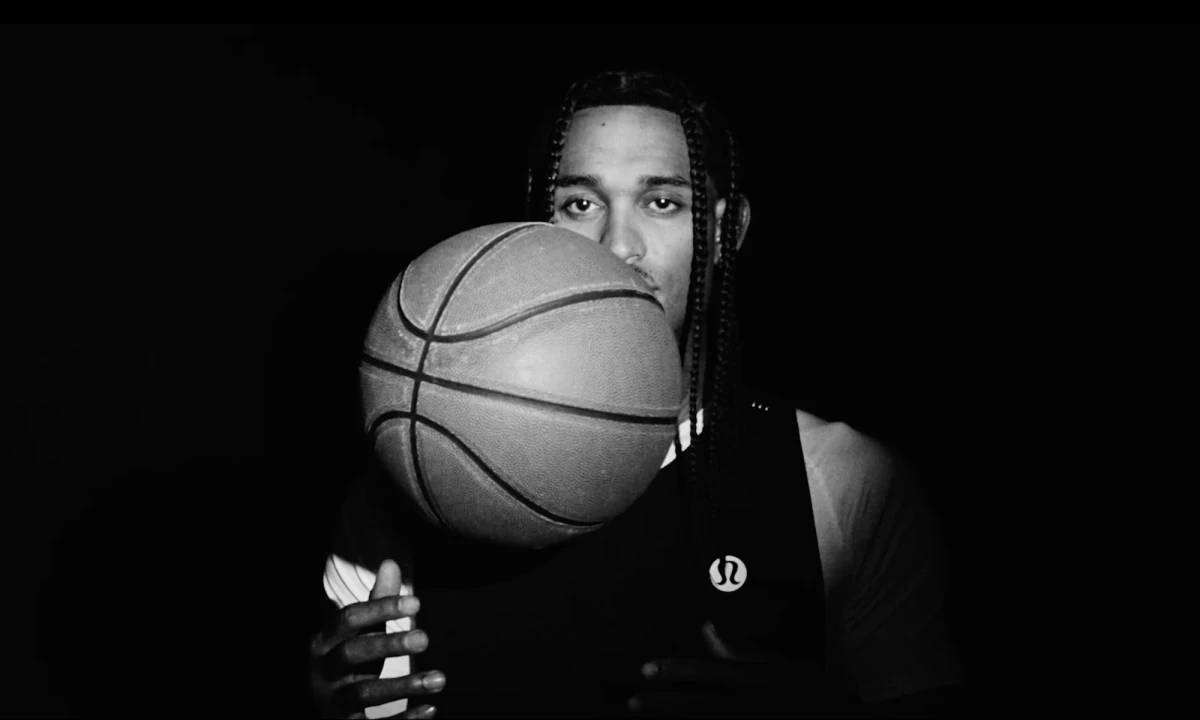
The athletic apparel brand has partnered with Condé Nast to launch 24 Hours To The Fullest, a short film series featuring NBA player Jordan Clarkson and ATP tennis star Frances Tiafoe.
Produced by creative production company Field Unit and directed by Henry DaCosta, the campaign explores what it takes to perform at the highest level, both physically and mentally.
The films were shot in New York City and will be distributed globally, alongside companion editorial interviews with GQ and Vanity Fair.
For brands exploring athlete-led storytelling, the campaign shows how wellness and intentional living can be positioned as competitive advantages.
It also proves that creative agencies can produce premium branded content on compressed timelines, while still maintaining artistic quality and emotional depth.
A Day in Motion With Two Elite Athletes
The 24 Hours To The Fullest series features two spots, each capturing Jordan and Frances moving through a full day.
The scenes switch from showing their morning stretches, city walks, meditation sessions, cooking, training, and reset moments.
Each scene reinforces the campaign's central message that athletic training requires intentional, daily practice.
In his companion piece with GQ, Clarkson highlights how the campaign reflects his daily routine:
"It’s about slowing things down and just staying present in a moment. Not looking too far forward but taking time out of the day to be yourself and breathe,” he says.
DaCosta brings a cinematic, editorial lens to the project, using micro-setups with multiple vignettes at each location that athletes can step into easily.
The narration uses short staccato lines that let the film breathe.
Sound design, quick cuts, and intentional silence create a rhythm that moves between energy, stillness, acceleration, and pause.
The result plays out as a visual poem about real athletic prowess and dedication.
Athlete Storytelling Drives Real Marketing Results
Lululemon's shift toward athlete-led branded content reflects broader changes in how brands connect with consumers.
According to OpenSponsorship data, athletes on social media platforms maintain an average engagement rate of 5.6%, significantly higher than the average influencer engagement rate of 2.4%.
The research also found that 80% of fans are more likely to trust recommendations that come from their favorite athletes.
The sports marketing world is also rapidly expanding, with the fan connection market projected to scale at a compound annual growth rate of 5.2% until 2030.
NBA team sponsorship revenue also reached a whopping $1.62 billion for the 2024/25 season, marking an 8% year-over-year increase and a 91% rise over the past five years.
These numbers explain why lifestyle brands like Lululemon are investing in athlete partnerships that go beyond traditional endorsements.
The campaign also taps into rising consumer interest in wellness and mental health content, categories in which Lululemon holds meaningful brand equity.
By framing athletic excellence as a holistic practice rather than just physical training, the brand is speaking directly to audiences who value both sports performance and general wellbeing.
Here are some takeaways for agencies and brands looking to create athlete partnerships:
- Focus on daily rituals over highlight reels: By capturing the in-between moments, Lululemon delivers relatable storytelling that appeals to more than just dedicated sports fans.
- Design micro-setup workflows for speed and quality: DaCosta's approach captures diverse visuals quickly, proving premium branded content doesn't require big budgets.
- Extend campaigns beyond owned content: Pairing the films with GQ and Vanity Fair interviews amplifies athlete partnerships through earned media.
These tactics demonstrate that successful athlete marketing in 2025 requires thinking beyond traditional endorsement deals and creating content that feels more polished.
Our Take: Can Mindfulness Marketing Compete With Hype Culture?
We think Lululemon nailed something most sports brands miss: the quiet moments matter too.
In an industry obsessed with highlight reels and championship celebrations, this campaign feels far more introspective.
It’s a risky bet in a market where performance is still largely equated with intensity, but in this case, it clearly paid off.
The campaign feels authentic because it aligns with what Lululemon has always stood for: the idea that how you feel matters just as much as what you achieve.
The real test will be whether this approach resonates with younger audiences who expect constant stimulation from branded content.
If it works, we’ll likely see more lifestyle brands shift their strategies and start treating mindfulness and emotional presence as real competitive advantages.
In other news, Gatorade is also mining its brand archives for athlete campaigns, reviving its 1987 ad in a Stranger Things collaboration that pairs athletic pressure with supernatural battles.
These top sports marketing agencies in our agency directory help brands build athlete partnerships that go beyond endorsements and create authentic connections with audiences.