
Louvre Heist and Brand Reactions: Key Findings
- Böcker’s fast reaction turned risk into relevance, proving that when unexpected PR hits, speed and tone can flip the narrative and earn major media attention.
- Search spikes revealed real-time cultural intent, showing that agencies need to treat breakout terms like “Louvre mugshots” as live briefs, not just SEO fodder.
- The ad’s backlash reignited the ethics debate, reminding marketers to audit cultural moments before engaging, because viral isn't always brand-safe.
When news broke about the Louvre heist, the story took over headlines and social media within hours.
The robbery lasted just under four minutes inside the gallery, according to France’s culture minister, making it one of the fastest museum thefts in modern history.
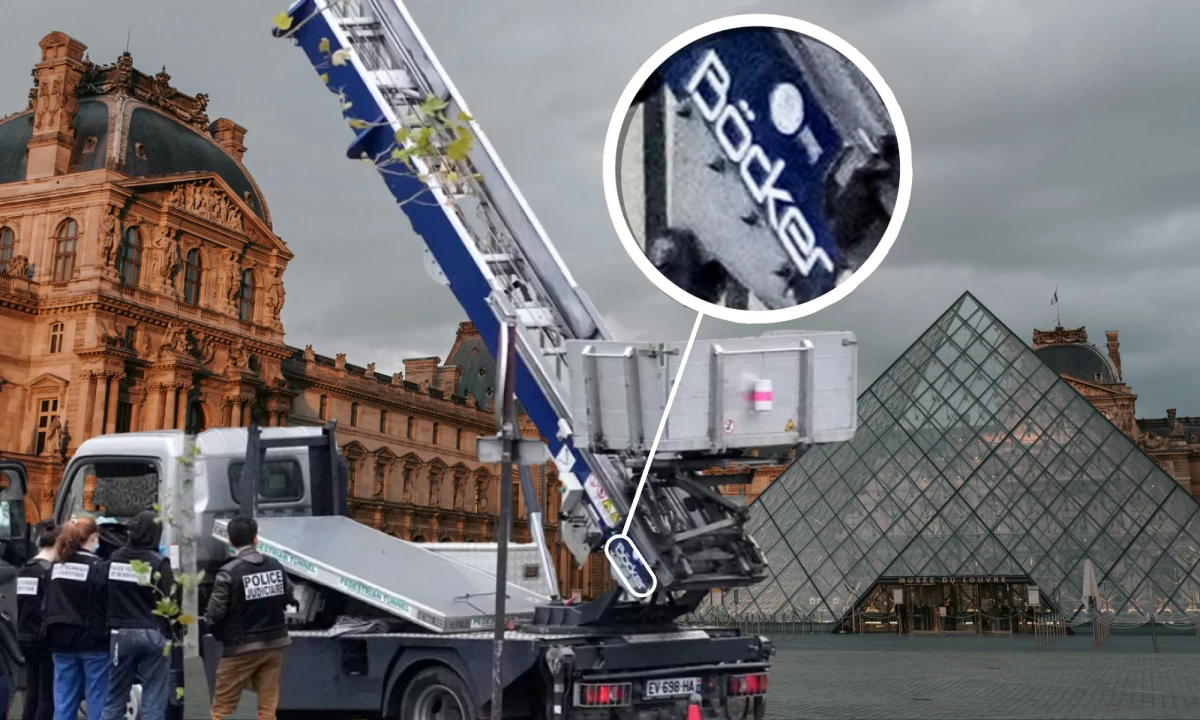
It had everything: a $100 million jewel haul, royal drama, getaway scooters, and yes... a German lift.
Within hours, the internet was buzzing.
People weren’t just reading headlines, they were googling mugshots, speculating on suspects, and sharing memes featuring celebrities who had nothing to do with it.
While authorities tried to track the Louvre robbery suspects, a few brands saw something else: a chance to own the narrative.
What followed was a slew of reactive marketing, from real-time brand moves to a viral ethics debate and a search-driven meme storm.
Böcker Turned Crisis Into Conversation
When most brands would panic or stay silent, Böcker, a German lift company, moved fast, flipping a crisis into a cultural talking point.
Instead of lying low, they shared an Instagram post with a photo of the lift that reads: “If you're in a hurry.”
Böcker used a simple, self-aware joke to own the moment.
And depending on who you ask, it was either a brilliant move or a risky one.
But it worked.
The post exploded, receiving massive free media coverage and brand awareness worldwide.
What's the takeaway for marketers?
Quick, unexpected reactions work, as long as the joke is appropriate and controlled.
In sum, Böcker didn’t necessarily glorify the crime, but it didn’t ignore it either.
And it paid off, striking a real chord in the marketing world, and with the public.
IKEA, Durex, and Celebs Rode the Moment With Humor
Böcker wasn't the only brand to jump into the social media frenzy.
IKEA Switzerland joined the moment with a playful Instagram post, showcasing its glass dome display with the line: “Won’t protect your jewels either.”
The caption followed through: “…But it will give them the right spotlight,” combining humor with a subtle product plug that stayed on-brand and in step with the cultural moment.
It was a smart move to join the conversation without pushing too hard.
It also proved that even well-established brands can stay relevant when they strike the right tone.
The moment didn’t end there. Durex added a well-timed comment to the IKEA post, saying:
“We will always protect your crown jewels.”
It was a clear example of how brand-to-brand interaction, when done right, still grabs attention.
Celebrities got involved, too.
Speaking with Variety, actor George Clooney, who played the lead role in the Ocean’s film series about professional thieves, said:
“If you’re a professional thief like I am, I was very proud of those guys.”
The heist blurred the lines between reality, entertainment, and marketing, and brands were quick to read the room.
Memes, Misinfo, and the Chace Crawford Effect
From brands like Böcker, to celebrities creating content, the top four search terms were:
- "Louvre robbery mugshots" / "Louvre suspects mugshots"
- "Louvre heist"
- "Chace Crawford Louvre"
- "German lift company" / "Böcker lift"
As the news spread, public curiosity rapidly shifted from what was stolen to who did it.
With the search of “Louvre robbery mugshots” and “Louvre suspects mugshots” surged, turning Google searches into a real-time cultural barometer.
When a viral image falsely linked actor Chace Crawford to the heist, social media exploded with fan theories, deep-fakes, and sixty-second TikToks riffing on “Too hot to be a suspect.”
The most viral twist was the fake mugshot of actor Chace Crawford (Gossip Girl), which was shared by a satirical page, racking up over 73,000 reactions before being debunked.
This frenzy showed how quickly misinformation spreads when it’s meme-ready.
One image was a decade-old mugshot, while the other belonged to a completely different person.
The Anatomy of a Viral Response
This moment wasn't just chaos for law enforcement; it was a live test case for modern marketing agility:
- Reframe Risk Fast: When unexpected news pulls your brand into the spotlight, the worst move is silence.
Respond with a clear, confident message that shows you're aware, in control, and paying attention. - Move at Internet Speed: Viral moments don’t wait. If your content isn’t ready to meet the pace of the feed, it’s already too slow.
- Check the Optics First: Before jumping into cultural moments, make sure the tone fits the stakes. A quick internal gut check can save you from public backlash.
The controversy showed marketers where the line is between being culturally relevant and just flat-out exploiting a serious event.
Plus, the online community will always tell you if you've pushed it too far.
Our Take: Is Your Brand Built to React?
Truth is, if your brand isn't structured for this kind of decisive action, you're likely to miss the biggest, most valuable moments.
The Louvre heist became a genuine, live-action lesson in fast and unexpected marketing tactics.
As for Böcker, the brand absolutely nailed it.
They were calm, clear, and lightning-quick. And they read the public mood perfectly.
This whole episode tells us that the best brand teams don't just act fast; they make a calculated decision about whether they should act at all.
The main takeaway?
Smart teams listen first, then decide. They identify the right moments, rather than jumping on the trendiest ones.
See where the next surges will happen in our report on the Top 10 Social Media Trends in 2025.
Is your brand ready to jump into viral conversations? Discover DesignRush's verified list of Top Digital Marketing Agencies.