
Levi’s Flat Eric Campaign: Key Findings
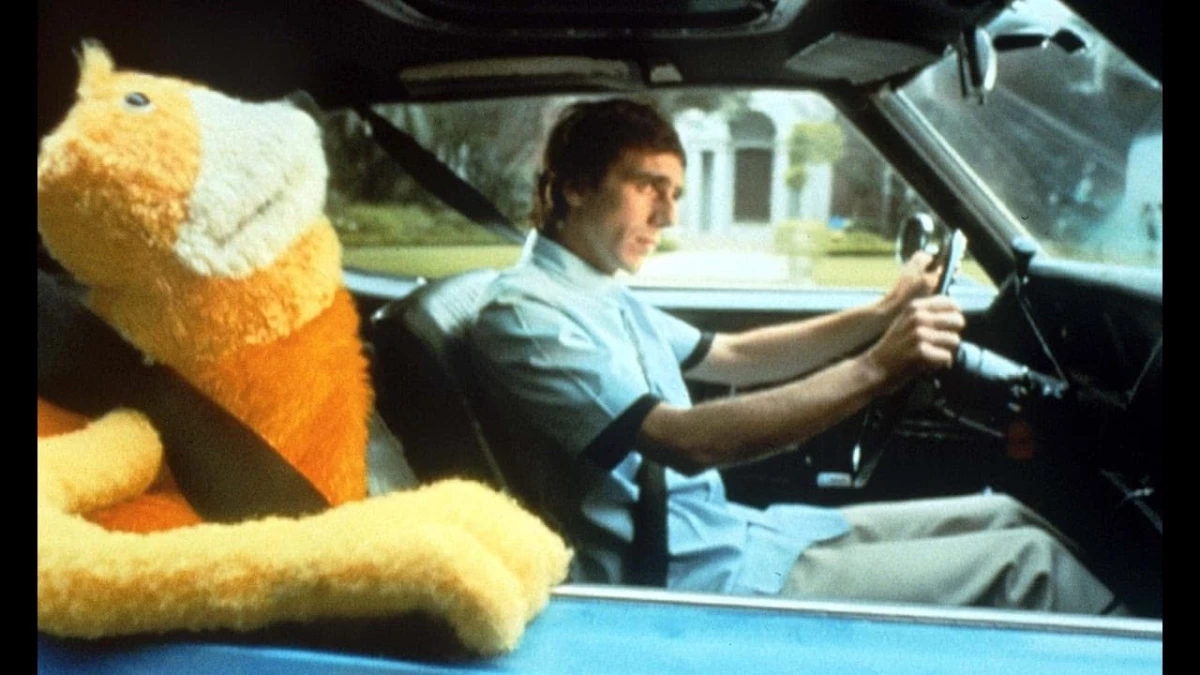
- The 1999 Levi’s spot paired a silent driver with Flat Eric, creating a strange yet memorable scene that people still recall years later.
- Humor still earns its place in advertising, and people remember specific campaigns because they felt unexpected or funny.
- Older commercials like this still matter, because they remind brands that a simple idea with personality can stay in people’s minds for decades.
Strange often outlasts sensible. Levi's has the receipts.
Nearly three decades after a man drove through a quiet neighborhood with a yellow puppet in the passenger seat, people are still talking about it.
The setup was never complicated. But the effect never wore off.
Music plays. A police officer pulls them over. The puppet switches the cassette. The driver remains calm.
Then the ad keeps getting stranger. And better.
Sharp Styling, Quiet Rebellion
What makes the spot hold up is not just Flat Eric.
The puppet is memorable, of course, but the ad works because everything around him is controlled so carefully.
The car is beat up. The street feels ordinary. The police stop looks routine.
Then the driver steps out wearing sharply pressed Levi’s Sta-Prest clothing, standing against the worn-out car with almost no effort at all. That contrast gives the scene its tension.
Nothing needs to be explained.
The officer asks for ID. Both the driver and the puppet hand one over as if this is completely normal. Later, when the trunk opens, the clothing appears lined up neatly inside.
The joke lands, but the image lands too.
That balance matters. The ad never loses control of its visual precision, even while the story moves into absurd territory.
Flat Eric did what most mascots never manage. He made people feel something without ever saying a word.
The Absurd Gives the Viewer Work To Do
That may be the bigger lesson. The campaign does not force one clean interpretation on the audience, but leaves space instead.
Flat Eric is funny. He is disruptive. He also changes the emotional feel of the ad without ever needing a backstory. The viewer fills in the rest.
That participation is part of what makes the work memorable.
The ad lets viewers make sense of the mood, the fashion, the silence, and the puppet for themselves.
That is part of why it starts to feel like something they are participating in, not just watching.
That kind of invitation is difficult to create. It requires confidence.
The puppet quickly evolved into a definitive cultural icon of the era, fronting a series of Levi’s commercials.
In today’s digital landscape, Flat Eric’s surreal and wordless charm functions much like a viral meme.
He spread across global audiences through shared visual humor and instant recognition. No dialogue required.
Brands often feel pressure to explain everything nowadays. Meaning gets pinned down too quickly. This Levi’s campaign moved in the opposite direction.
It trusted the audience to stay with it. This strategy is now particularly effective with younger demographics.
According to research done by the Boston Institute of Analytics, Gen Z has a higher affinity for conversation-based and humorous content, as it seems more authentic.
When looking at the Flat Eric campaign through this lens, it somehow seems contemporary, even though it was created decades ago.
- Absurdity creates memorability. Unexpected details can hold attention longer than straightforward explanations.
- Contrast strengthens brand attitude. When styling, setting, and character pull against each other, the product can stand out more clearly.
- Interpretation builds deeper engagement. There is something that connects with the audience more when they are allowed to complete the story themselves.
The ad still feels alive because it does not close itself off.
Our Take: Are Brands Too Eager to Explain Themselves?
We remember this campaign like it was yesterday. And for good reason.
Levi's showed the product clearly. It showed the attitude clearly, too. What it did not do was explain the whole thing into the ground.
That restraint is harder to find now, especially in work built to survive multiple approvals and perform instantly across platforms.
We believe Levi's achieved viral success long before the term existed by trusting that the product would shine through the joke.
A strange choice, handled with enough control, can say more than a heavily managed brand message ever could.
The Nutpods and Uber campaigns, respectively, show that absurdity still works when it is anchored to something real. But most brands flinch before they get there.
Sometimes we have to give our audiences some credit and refrain from spelling everything out.
Explore the creative agencies that can balance absurdity and creativity to get real results in our directory.