
IKEA Creative Agency Review: Key Findings
- IKEA is reviewing five agencies for its UK account, reflecting how brands use reviews to reset creative direction when market conditions shift.
- The brief focuses on real-life behaviors like hybrid living and rising costs, showing how brands can design pitches around how people actually live.
- The furniture market is valued at $745.7 billion in 2025, highlighting the pressure on retailers to pair brand relevance with category growth.

Campaign Snapshot
IKEA’s search for a new agency is a test of cultural fit as much as creativity.
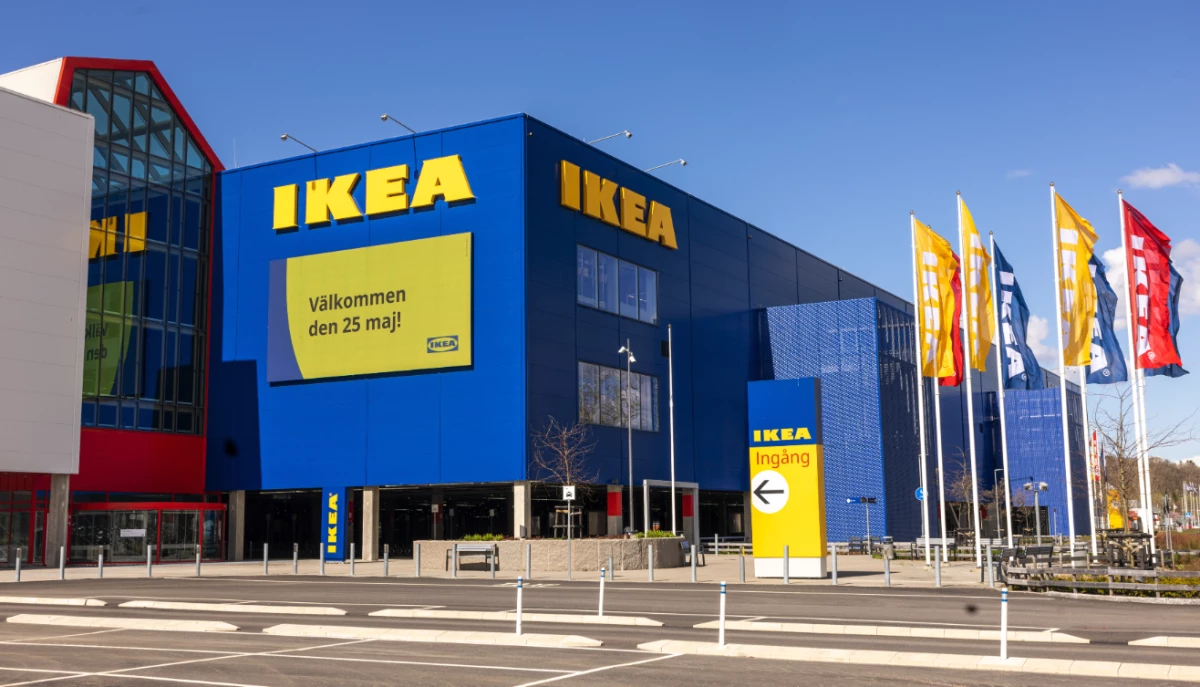
The Swedish furniture giant has launched a competitive review, inviting five agencies to pitch for its UK creative account.
It marks a pivotal moment as the retailer refines how it wants to show up in modern home life.
The move comes as longtime agency Mother London, in place since 2008, has opted not to repitch.
“We truly believe we can’t prove anything in a pitch that we don’t prove every day,” said partner Katie Mackay-Sinclair, adding that Mother will continue to work on the business until August 2026.
For the agencies called in, the brief signals a shift in the type of creative partnership IKEA wants.
Instead of traditional campaign instructions, teams received behavioral prompts focused on how people actually live: tight spaces, hybrid schedules, rising costs, and still personal expression at home.
The brand is looking for thinking rooted in lived experience rather than retail tropes.
Agencies must also articulate both short-term platform ideas and a multi-year identity framework that can travel across markets.
In 2023, McCann was appointed the retailer’s first global ad agency as IKEA moved to streamline its worldwide marketing structure.
The current UK pitch now sits against that backdrop, alongside Omnicom’s restructuring, an added dynamic for three of the contenders: McCann, Adam & Eve\TBWA, and AMV BBDO.
Creative Expectations Rise as the Category Crowds
IKEA is challenging agencies to articulate how the brand can remain culturally sharp while protecting its brand identity as a practical, value-driven retailer.
Fast-furniture startups, resale players, and modular brands have reset consumer expectations around affordability, immediacy, and personalization.
This has heightened the creative bar for any new partner.
Within the pitch, IKEA is seeking:
- Clear interpretation of modern home behaviors, from multipurpose rooms to hybrid living setups that change throughout the day.
- Creative systems that connect retail and brand layers, preserving IKEA’s visual heritage while introducing new emotional depth.
- Narratives that acknowledge economic tension, reflecting how people balance budget constraints with the desire for durable, expressive pieces.
The winning agency will need to show how IKEA can stay culturally current without drifting from the practical ethos that has defined the brand for decades.
That challenge comes at a time of massive opportunity: the global furniture market is expanding fast.
According to Grand View Research, the global furniture market is valued at $745.7 billion in 2025, and is projected to reach $1.3 trillion by 2033.
-content-large-webp.webp)
Back in 2023, IKEA had already reported strong momentum: €47.6 billion in global retail sales, up 6.6% from the year prior.
IKEA Canada’s late-night marketing just got real! 🛏️
— DesignRush (@designrushmag) February 20, 2025
In a playful twist, @ikeacanada and @rethink led the 'u up?' campaign, targeting late-night Instagram scrollers with a cheeky message offering 15% off mattresses. The clever move made for a viral moment—engaging people exactly… pic.twitter.com/O2y4umhzbq
At the same time, consumer behavior is shifting toward modular, long-lasting pieces and purchases that feel financially responsible.
These dynamics heighten IKEA’s need for a creative platform that can stretch across retail consistency, digital expression, and long-term brand relevance.
What Agencies Must Prove to Win the Business
The creative review follows new initiatives under IKEA’s Life at Home offering, a joint venture with Just Move, introduced in September.
The service helps customers manage home moves, from removals and storage to utilities transfers, and introduces new energy services and the first IKEA Family Credit Card.
Combined with leadership changes, including the appointment of global chief data and analytics officer Burce Gultekin in October, these moves signal an operational and brand direction.
The pitch places pressure on each contender to demonstrate strategic and creative breadth, with solutions that scale and remain durable. The strongest submissions will likely show:
- A grounded understanding of economic behavior, especially how value-driven customers weigh cost, convenience, and longevity.
- A modular storytelling approach that allows ideas to flex across platforms without losing coherence.
- A culturally attuned perspective on home, capturing how definitions of family, space, and comfort are shifting across regions.
The decision will ultimately hinge on which agency can advance IKEA’s creative identity while keeping it anchored in function, accessibility, and long-term value.
Our Take: Is IKEA Searching for a New Agency or a New Identity?
At first glance, it feels like just another agency pitch.
But look closer, and it’s something else entirely.
IKEA is trying to figure out what kind of brand it needs to be, now that the idea of “home” is shifting under everyone’s feet.
That's why it wants a partner willing to confront the realities shaping modern living.
Think: rising costs, shrinking spaces, fragmented families, and a category where everyone claims to be “affordable” and “design-led.”
To stand out, agencies need to ask the hard questions and offer fresh ways of thinking about IKEA’s place in people’s lives.
This race is about deciding what IKEA wants to mean in a decade where home is no longer stable, predictable, or universal.
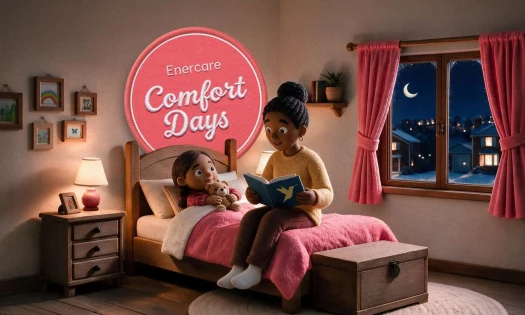
IKEA Canada’s effort to raise awareness of children’s sleep poverty hints at a broader shift toward emotionally charged, real-world storytelling, an approach now central to the UK review.
Find the right creative agency for your next campaign by browsing the Top Creative Agencies on DesignRush.